SocioScenes
Ibn al-Haytham: The Cairo Scholar Who Changed Sight
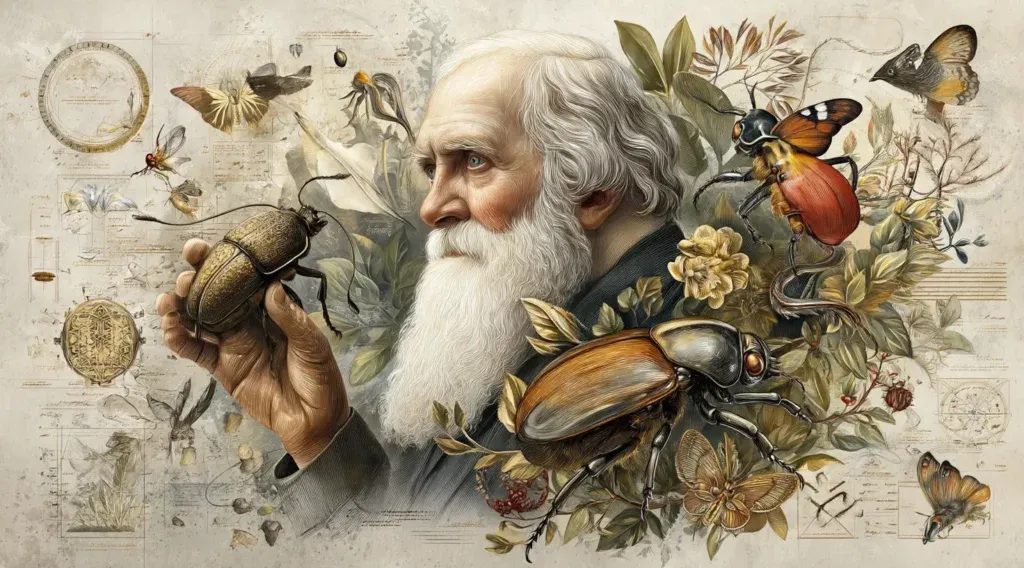
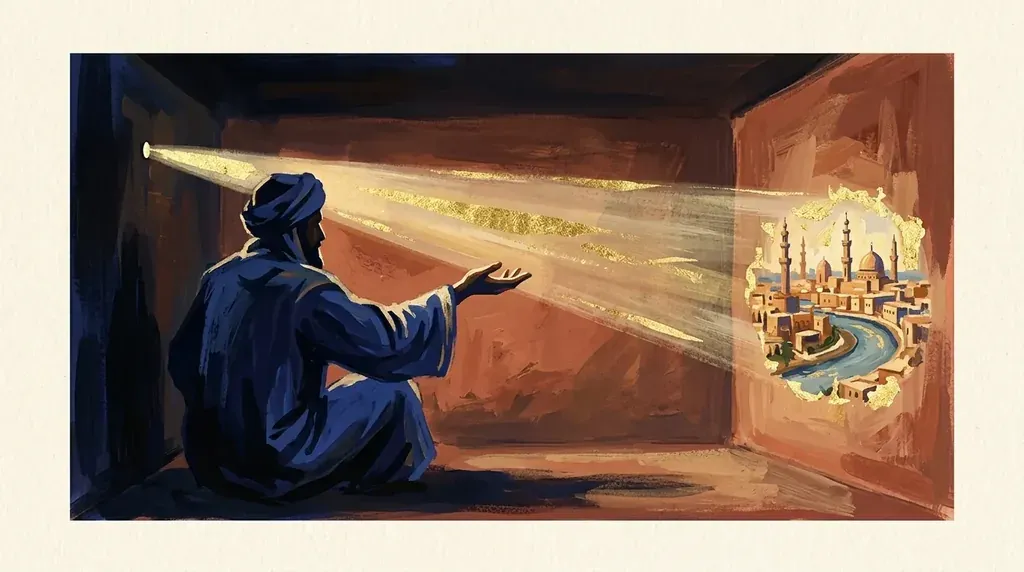
A portrait of Ibn al-Haytham, the Basra scholar who trained in Baghdad and rose, in Fatimid Cairo, to found modern optics with his seven-volume Book of Optics.
Type one or two words. We search the magazine’s headlines, standfirsts, sections and worlds.
Accents and capitals make no difference, nor do Arabic diacritics, and one letter out of place is forgiven.
On the keyboard: / or ⌘K opens search, the ↑ and ↓ arrows move through the results, Enter opens the highlighted one, Esc closes.
Type a word: accents, capitals and Arabic diacritics make no difference, and a typo is forgiven.
Articles
A portrait of Ibn al-Haytham, the Basra scholar who trained in Baghdad and rose, in Fatimid Cairo, to found modern optics with his seven-volume Book of Optics.
Arab conquest of Tunisia, 647–705: Sbeïtla, Kairouan, Koceila and the Kahena, queen of the Aurès — a founding era of scarce sources and conflicting accounts.
Al-Khwarizmi, the Baghdad mathematician born around 780 in Khwarezm: meet the man whose name gave us the algorithm and whose book gave algebra its name.
In 146 BC Rome destroyed Carthage, then refounded it as the province of Africa, where grain and olive oil fed Rome without erasing its Punic and Berber roots.
Ibn al-Jazzar, Constantine the African and the Viaticum: the story of a Kairouan physician whose work crossed the Mediterranean all the way to Salerno.
Mansa Musa ruled Mali from 1312 to 1337, then made his 1324 pilgrimage to Cairo and on to Mecca — a legend woven from gold, caravans and the chronicles.
Are most people innately good? Historian Rutger Bregman makes his case through true, real-life stories — including the story of the Tongan boys in 1965.
Captology: where does the science that taught our screens to persuade us come from? A look at B.J. Fogg and Stanford, cradle of a discipline born in the 1990s.
Massinissa, Numidian king: the story of how this horseman united the Massylian and Masaesylian kingdoms around Cirta, caught between Carthage and Rome.
Afrotopia, Felwine Sarr’s invitation: understanding the Afrotopos, that other Africa still to be built, far from both Afro-pessimism and Afro-optimism.
Born in Tunis in 1332, Ibn Khaldun crossed the Maghreb's rival courts before retreating to Qalaat Ibn Salama, where the Muqaddima gave rise to asabiyya.
From ancient texts to archaeological digs, uncover how a Phoenician princess’s defiance and cunning birthed one of history’s greatest cities—long before Rome rose to power.
Calligraphy and illumination: explore the history and techniques of these sacred arts, where every stroke is a prayer and colour a symbol of devotion.
Tunisia’s pharmacies face sudden price changes on 300 medications—discover how chemists are adapting and what you should watch for when filling your next prescription.
Step into the world of Tunisian artisans fighting to keep centuries-old traditions alive. Discover how to support them so these irreplaceable skills endure for future generations.
STEG now authorizes storage batteries for residential solar: keeping your home powered through outages, and the technical rules to follow.
Five processions heading to the Grand Palais, henna, no brides or grooms: Mohamed Bourouissa stages the Maghrebi wedding as the diaspora's living memory.
Four coaches in twenty-three months, collapsed accounts, a statement deleted live: the World Cup exit laid an institution bare.
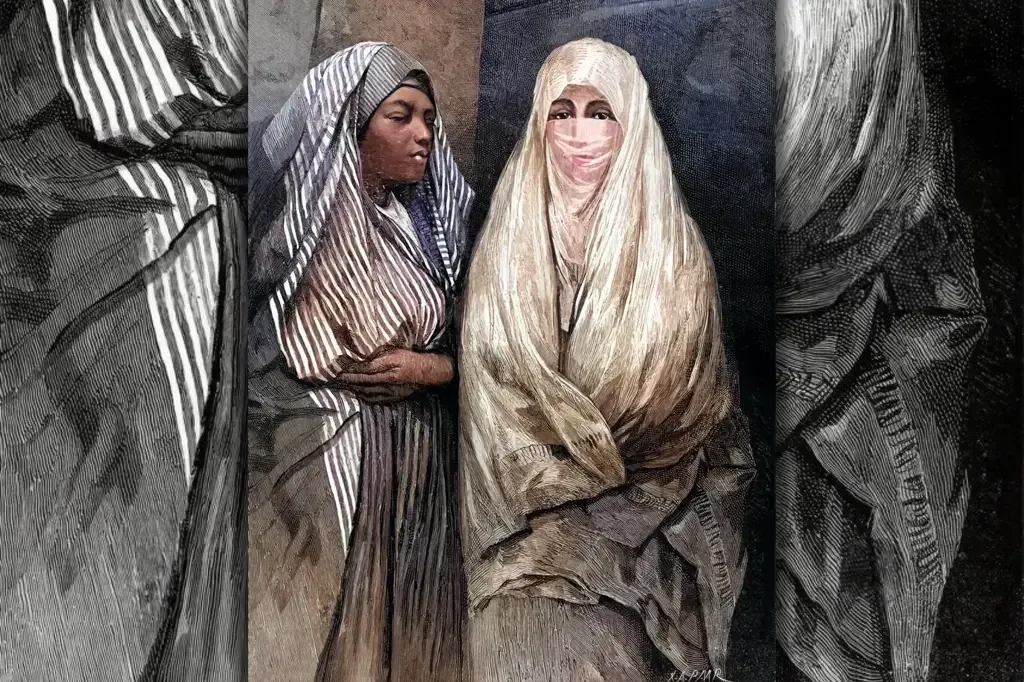
Every 16 March, Tunisia celebrates its traditional dress. We are sharing an article with you, available to download.
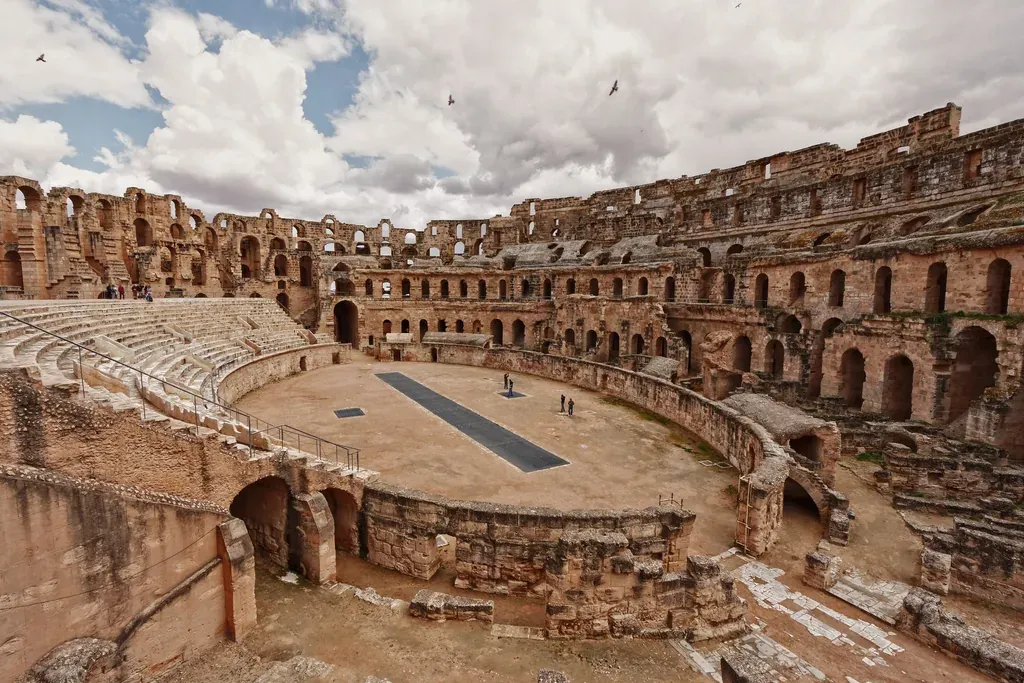
Tunisia's cultural summer 2026: Carthage marks its 60th edition, El Jem hosts symphony music and Oudhna folk arts, bringing ancient sites back to life.
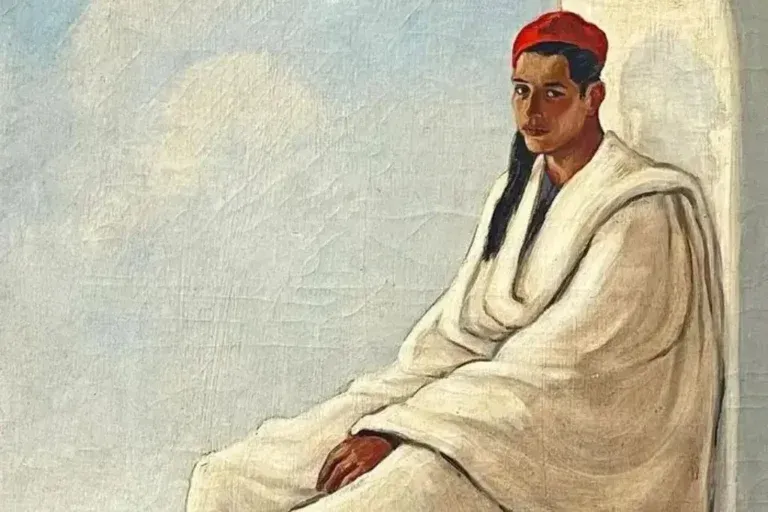
Tunisians take deep pride in their cultural heritage. More than seventy years after independence, the chéchia and the sefseri still embody Tunisian identity. These traditional garments bear witness to an ancestral craftsmanship that endures through time.
Meet Mago the Carthaginian, father of ancient agronomy in Tunisia. His agricultural legacy still shapes modern winemaking.
Barbarossa, the legendary corsair, left his mark on history through his maritime exploits and his profound cultural impact on Tunisia.
Claudia Cardinale, film icon born in La Goulette, has died at 87. Funeral on 30 September in Paris. A tribute to her career.