The icon of Italian cinema, a native of La Goulette, left us on 23 September 2025. Claudia Cardinale was 87 when she passed away peacefully in Nemours, surrounded by her children. With her, the world of cinema loses one of its greatest stars.
Her funeral takes place this Tuesday 30 September at 2:30 p.m. at the Church of Saint-Roch in Paris (1st arrondissement). The family has asked for "no flowers, no keepsakes," encouraging donations instead to the Fondazione Claudia Cardinale. This foundation carries the credo "art to save the world" and supports young contemporary artists.
From La Goulette to International Glory
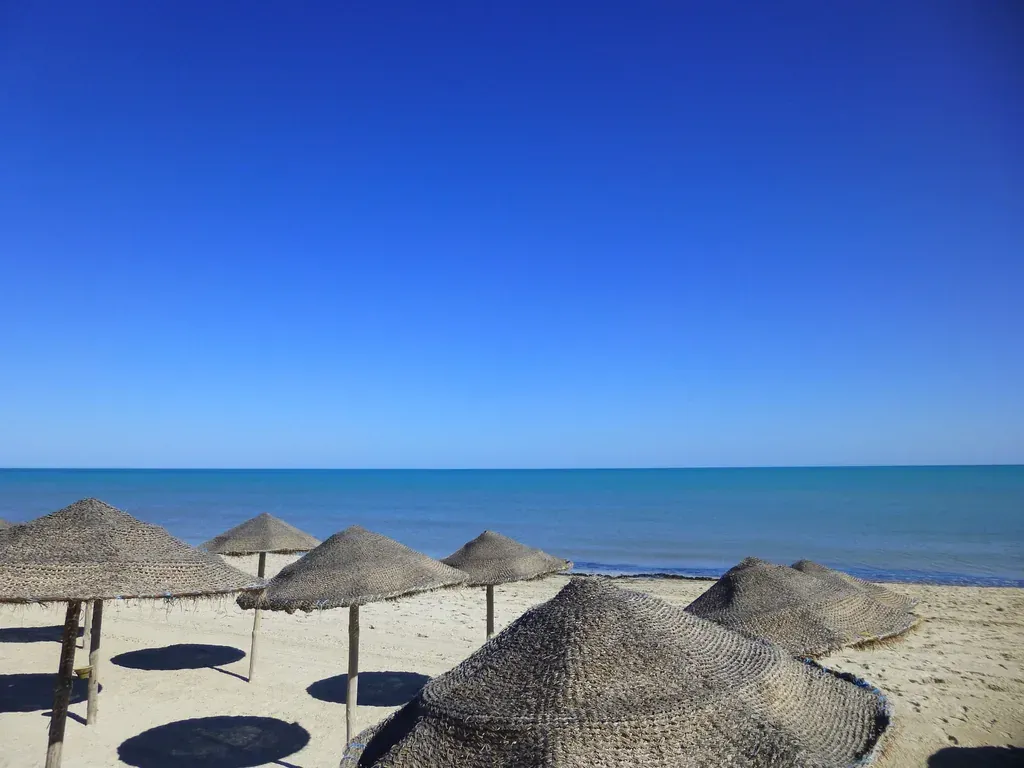
Born on 15 April 1938 in La Goulette near Tunis, Claude Joséphine Rose Cardinale grew up between two cultures. Her Sicilian father and French mother passed down to her a unique Mediterranean heritage. She spoke French, Arabic and Sicilian fluently.
In 1957, a year after the country's independence, she won the "most beautiful Italian woman in Tunisia" contest. Ironically, she did not even want to take part! The prize offered her a trip to the Venice Film Festival — and that opportunity turned her life completely upside down.
A Monumental Filmography
Over her remarkable career, Claudia Cardinale graced more than 150 films, working with the very greatest directors: Luchino Visconti, Federico Fellini, Sergio Leone, Henri Verneuil and Werner Herzog.
Among her unforgettable roles are:
"The Leopard" (1963) by Visconti, in which she plays the aristocratic Angelica. Her ballroom scene remains etched in the collective memory. Then "Once Upon a Time in the West" (1968) by Sergio Leone reshapes the traditional western. Her character of Jill McBain brings an unprecedented feminine dimension to the genre.
"8½" (1963) by Fellini confirms her status as a complete actress. Then came "Fitzcarraldo" (1982) by Herzog, alongside Klaus Kinski. "The Pink Panther" (1963) proves her mastery of sophisticated comedy. And in "The Legend of Frenchie King" (1971), she squares off against Brigitte Bardot, who became a close friend.
| Film | Year | Director | Of note |
|---|---|---|---|
| The Leopard | 1963 | Luchino Visconti | Role of Angelica; her ballroom scene remains etched in the collective memory |
| 8½ | 1963 | Federico Fellini | Confirms her status as a complete actress |
| The Pink Panther | 1963 | — | Proves her mastery of sophisticated comedy |
| Once Upon a Time in the West | 1968 | Sergio Leone | Role of Jill McBain, an unprecedented feminine dimension in the western |
| The Legend of Frenchie King | 1971 | — | Opposite Brigitte Bardot, who became a close friend |
| Fitzcarraldo | 1982 | Werner Herzog | Alongside Klaus Kinski |
A Free and Committed Woman
Yet Claudia Cardinale rose above the mere status of a star. She embodied "the legacy of a free and inspired woman," in the words of her agent Laurent Savry.
She had also been a UNESCO goodwill ambassador for women's rights since 1999, and an ardent defender of LGBTQIA+ rights. In 2008, she was made a Knight of the French Legion of Honour.
A Tunisian Heritage Fully Embraced
Unlike some others, Claudia Cardinale never disowned her Tunisian roots. She spoke of La Goulette regularly and with emotion, and wore her plural Mediterranean identity with pride.
Emmanuel Macron paid tribute to "a freedom, a gaze, a talent." Rachida Dati evoked "a gaze, a voice and an aura forever etched in the history of cinema." And Italian president Sergio Mattarella described her as "an extraordinary artist."
A Serene Final Chapter in Nemours
In recent years, the actress lived in Nemours with her two children, Patrick and Claudia Squitieri. Together, they turned the place into a living cultural centre, and the Fondazione Claudia Cardinale hosted artists in residence and exhibitions.
"She ended her life in a simple, humble way, true to who she was." Claudia Squitieri, daughter of Claudia Cardinale
Far from the Hollywood spotlight, she found happiness in passing on her art.
A second, intimate ceremony will be held on 1 October at the Church of Saint-Jean-Baptiste in Nemours, before the cremation.
Claudia Cardinale leaves an immense void in world cinema, but her body of work spans the generations. The little girl from La Goulette will remain forever a giant of cinema.