Ô Feminine
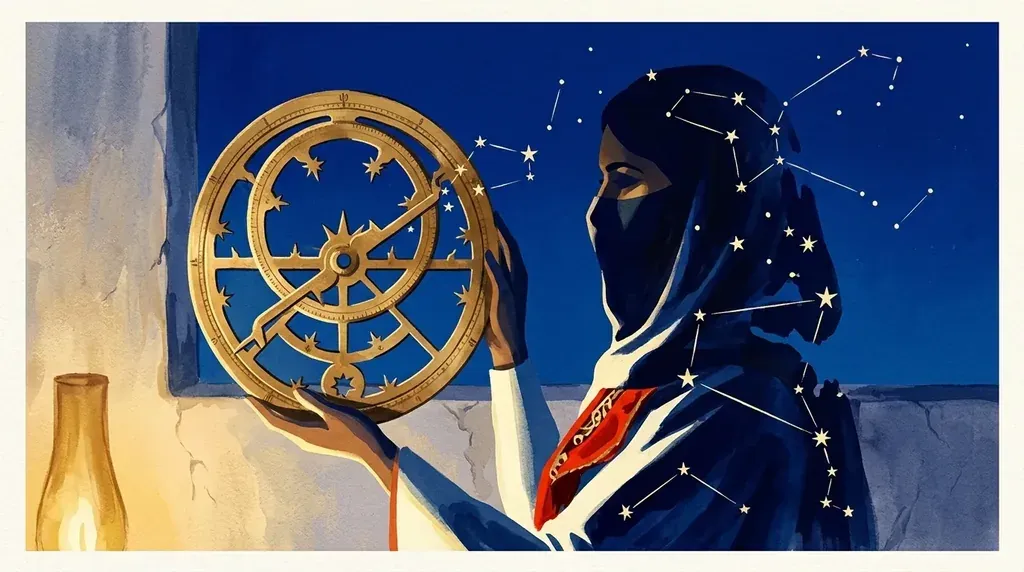
Mariam al-Astrulabi, the Astrolabe Maker of Aleppo
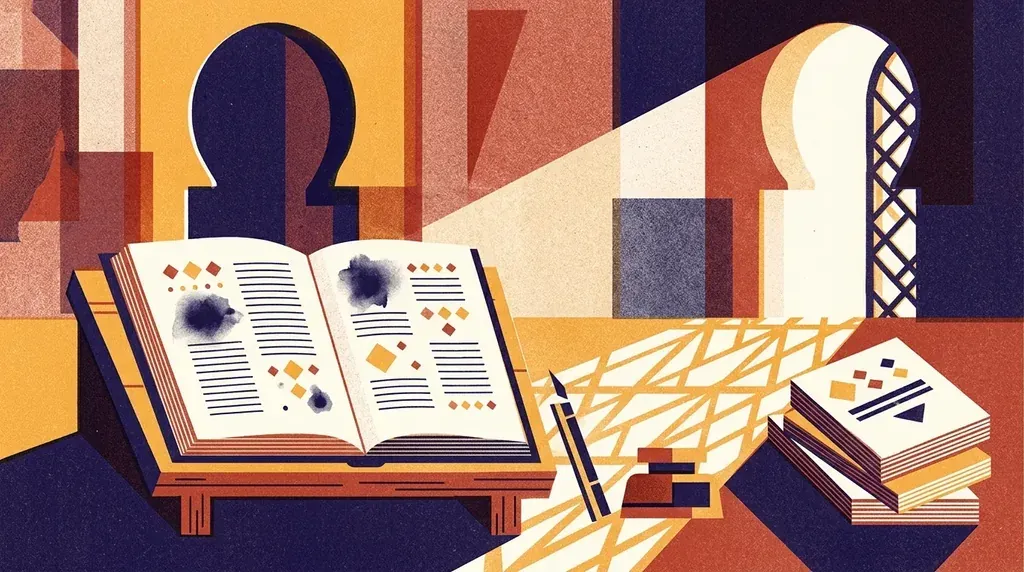
Mariam al-Astrulabi made astrolabes in tenth-century Aleppo. This is the portrait of a woman of science known to us through a single line in an old catalogue.
Type one or two words. We search the magazine’s headlines, standfirsts, sections and worlds.
Accents and capitals make no difference, nor do Arabic diacritics, and one letter out of place is forgiven.
On the keyboard: / or ⌘K opens search, the ↑ and ↓ arrows move through the results, Enter opens the highlighted one, Esc closes.
Type a word: accents, capitals and Arabic diacritics make no difference, and a typo is forgiven.
Sections
Mariam al-Astrulabi made astrolabes in tenth-century Aleppo. This is the portrait of a woman of science known to us through a single line in an old catalogue.
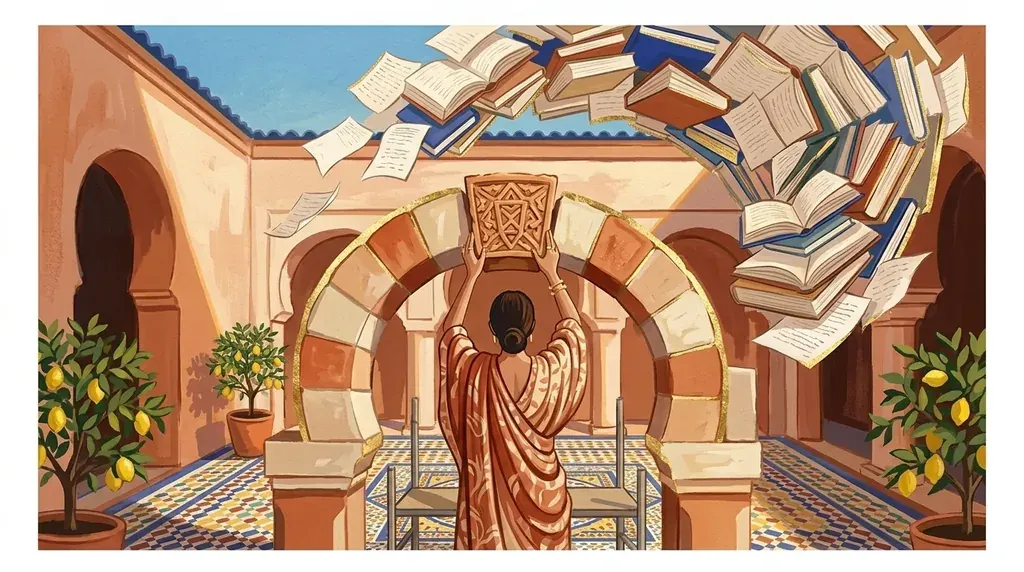
Lubna of Córdoba: portrait of the secretary-copyist who served Caliph al-Hakam II, at the heart of the great library of Umayyad Córdoba in the tenth century.
The Beauty Myth revisited: from Naomi Wolf’s 1991 book to 2026 — what still holds true, what hasn’t aged well, and what readers should take from it today.
Fatima Al-Fihri: a portrait of the woman from Kairouan who settled in Fez and became the founder of Al-Qarawiyyin, the oldest university in the world.
The resource curse, explained: why oil, copper and phosphate rarely enrich the countries that extract them — the mechanisms behind the rent, in key figures.
Where does the money your bank lends you come from? Credit creates the money; the central bank, born in 1668, adjusts it but never hands it out at the counter.
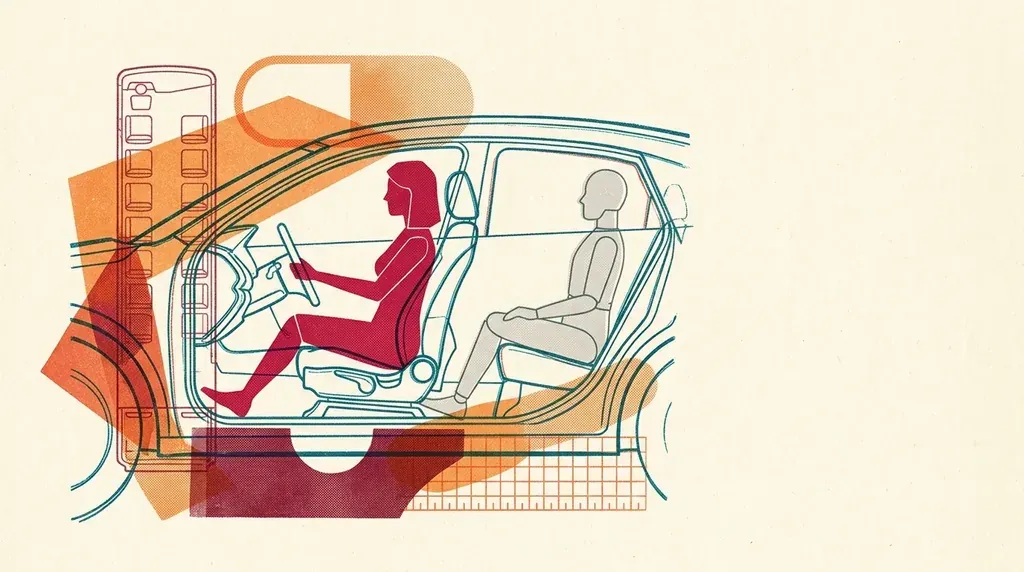
Why is the world designed for men? From crash tests to medication to cardiac diagnosis, La Sultane sheds light on these blind spots, with numbers to prove it.
Africa's debt: from Thomas Sankara's 1987 Addis Ababa speech to the IMF's rescue plans — the origins of Africa's debt and how the Naples Terms eased it.
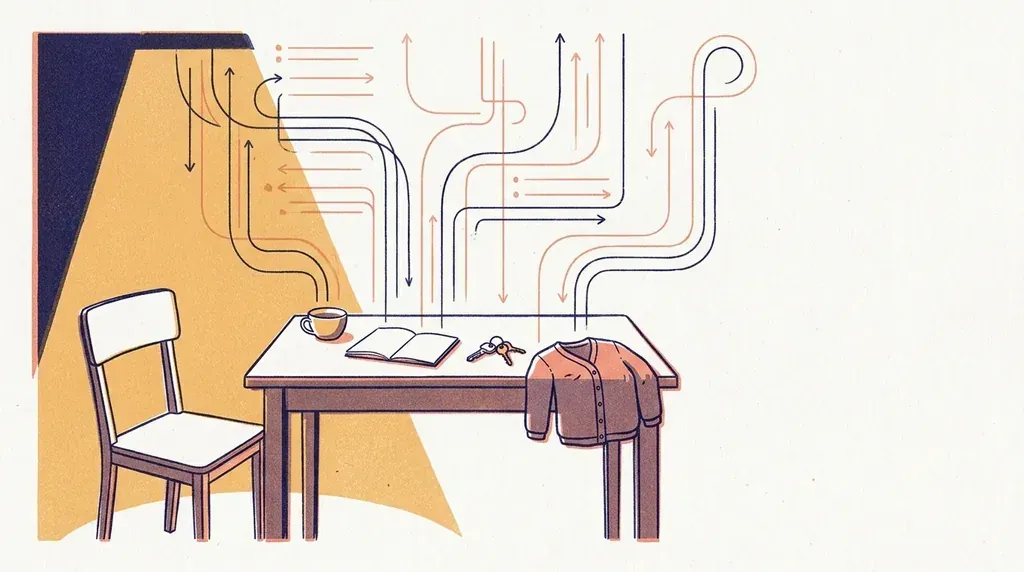
Why does mental load never let go of Tunisian women, even those running their own businesses? A 2024 study puts the cognitive load mothers carry at home at 71%.
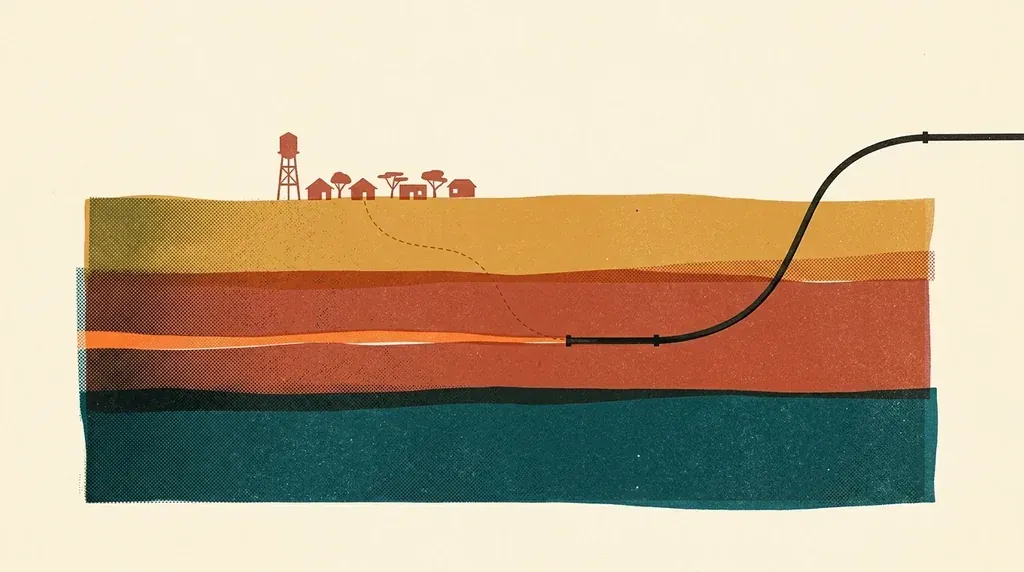
First groundbreaking at Aoulef on 4 June 2026: 2,310 Algerian kilometres out of 4,128, a Moroccan rival, and Tunisia worried about its Transmed royalties.
Beach, terraces, nights that stretch on: summer widens the space Tunisian women occupy, and exposes them within it. Numbers, law, and lived experience of a two-sided season.
A public garden announced on Mahdia's waterfront. Behind it, Femmedina and a method: ask the women who live there what they actually need.
Discover how to build workplace leadership through assertiveness, active listening and effective non-verbal communication.
Women's rights in Tunisia: the story of a struggle for equality, from the 19th century to today. Progress, challenges and prospects.
Women entrepreneurs: discover the 5 essential challenges to give your business a boost and build a winning strategic vision.
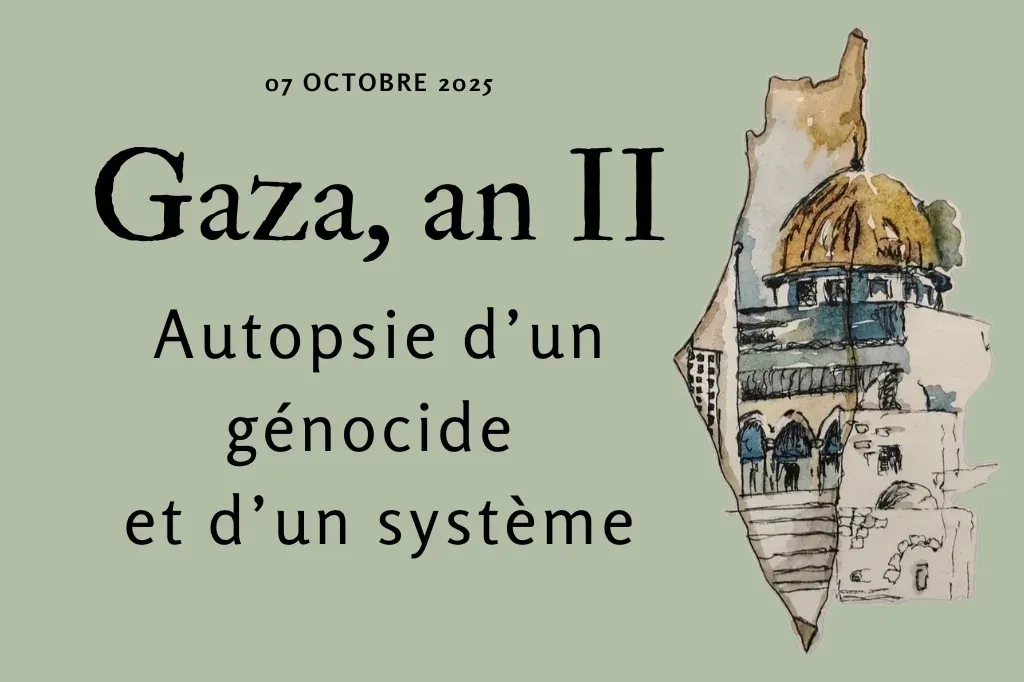
Gaza, Year II: a geopolitical analysis of the conflict, the international system and resistance. An opinion piece on two years of war.
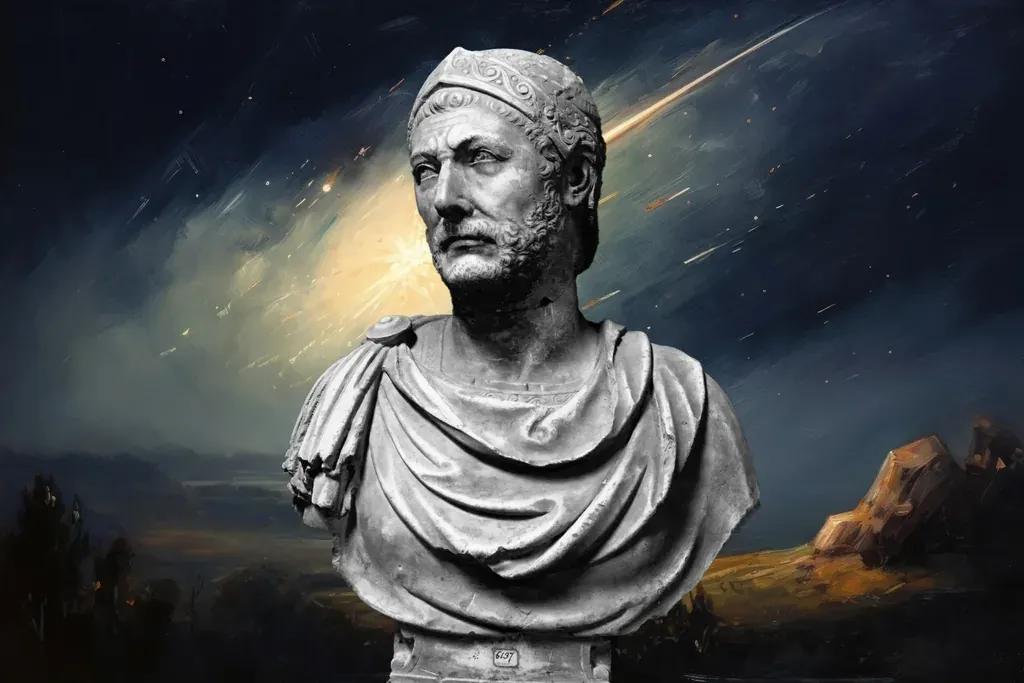
Hannibal Barca, a military genius, still inspires through his leadership and strategy. Explore his life, his battles and his legacy.
International Women's Rights Day highlights past struggles and inspires global action for change
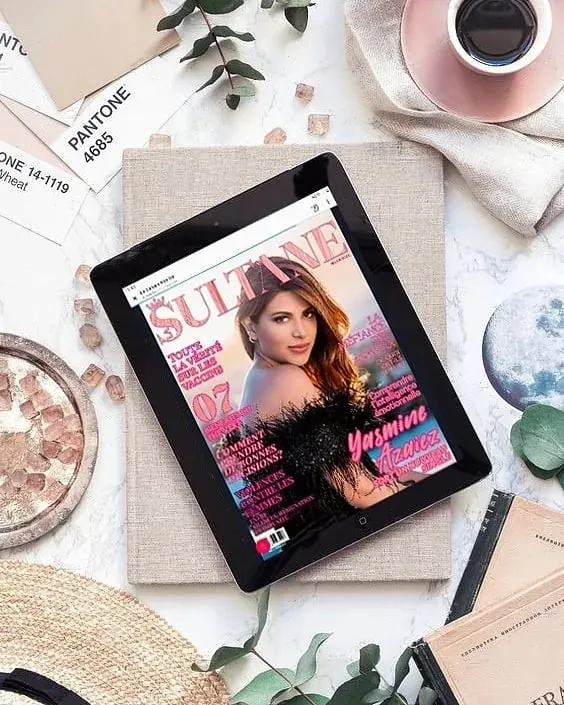
Step into the world of Yasmine Azaiez, virtuoso violinist, and discover her quest for musical excellence paired with humanitarian commitment
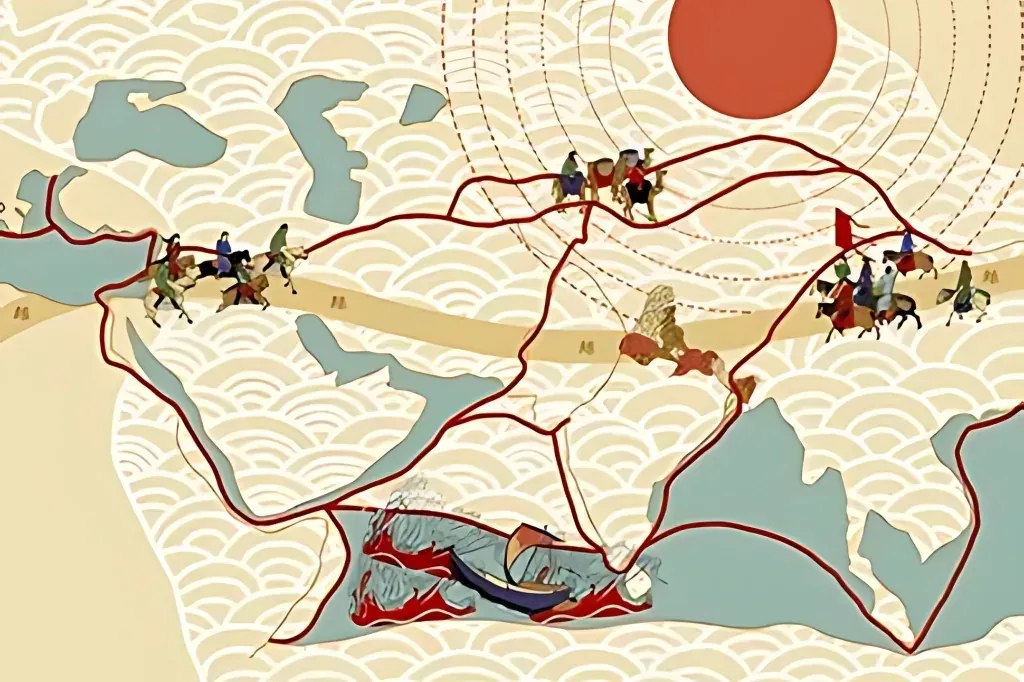
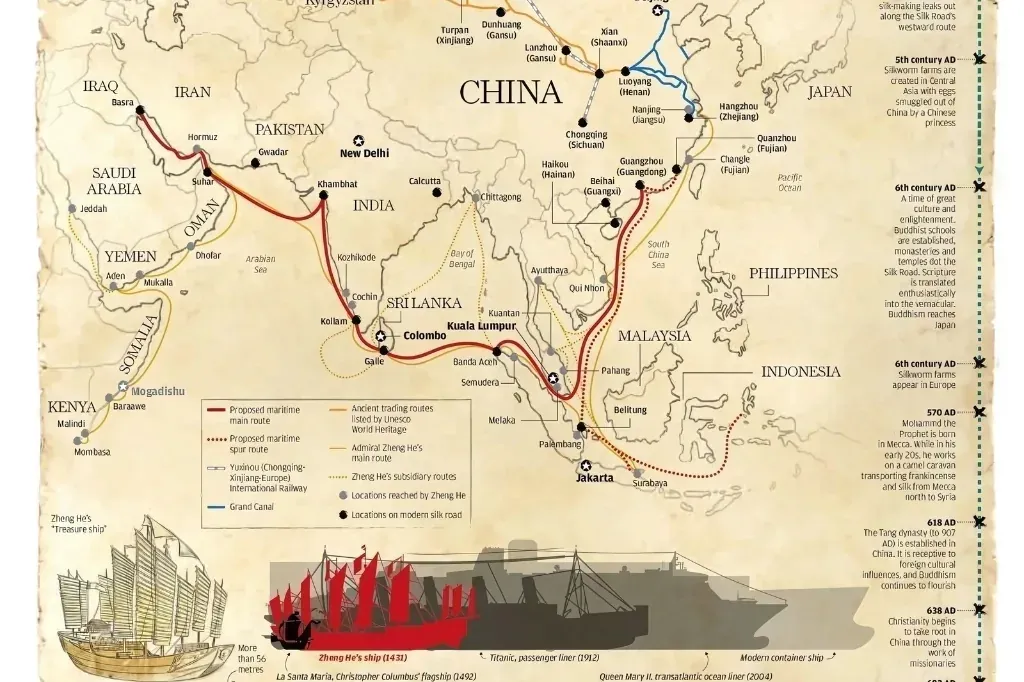
The New Silk Roads decoded: the geopolitical stakes and the opportunities for Africa and the Maghreb.
China's New Silk Roads: opportunity or trap for Tunisia and Africa? An analysis of the geopolitical stakes in 2025.
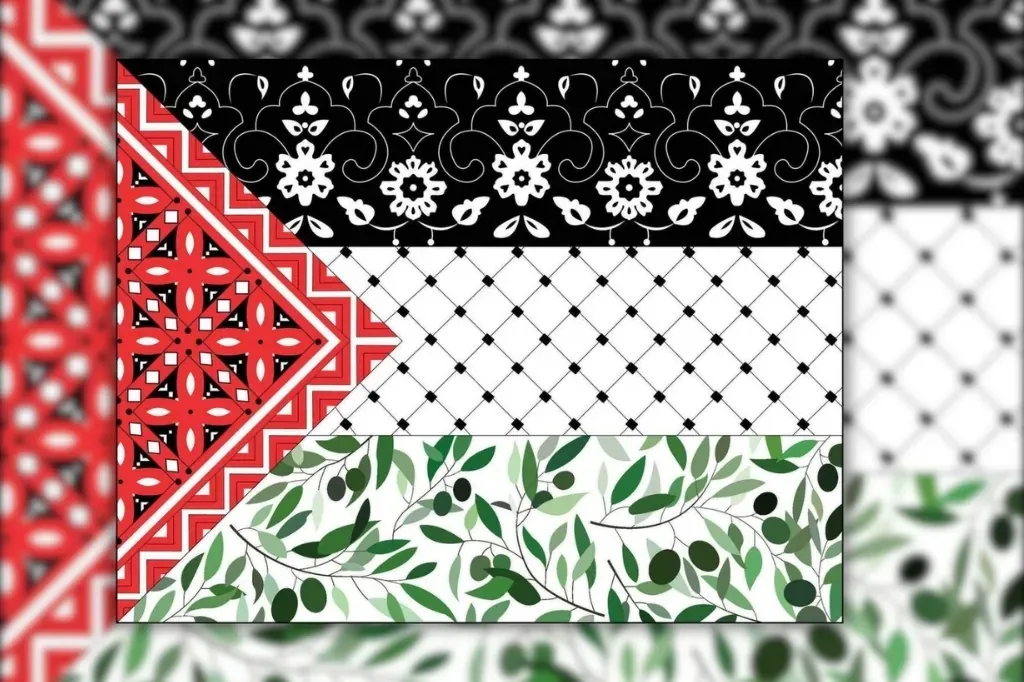
Recognition of Palestine by 155 States in 2025 lays bare the world's geopolitical fractures between the Global South and the West
Discover the keys to women's financial independence: managing money, saving, training. How to take back power over your economic life
Decision-making in leadership: explore the key approaches and have a positive impact on your leadership and your professional life