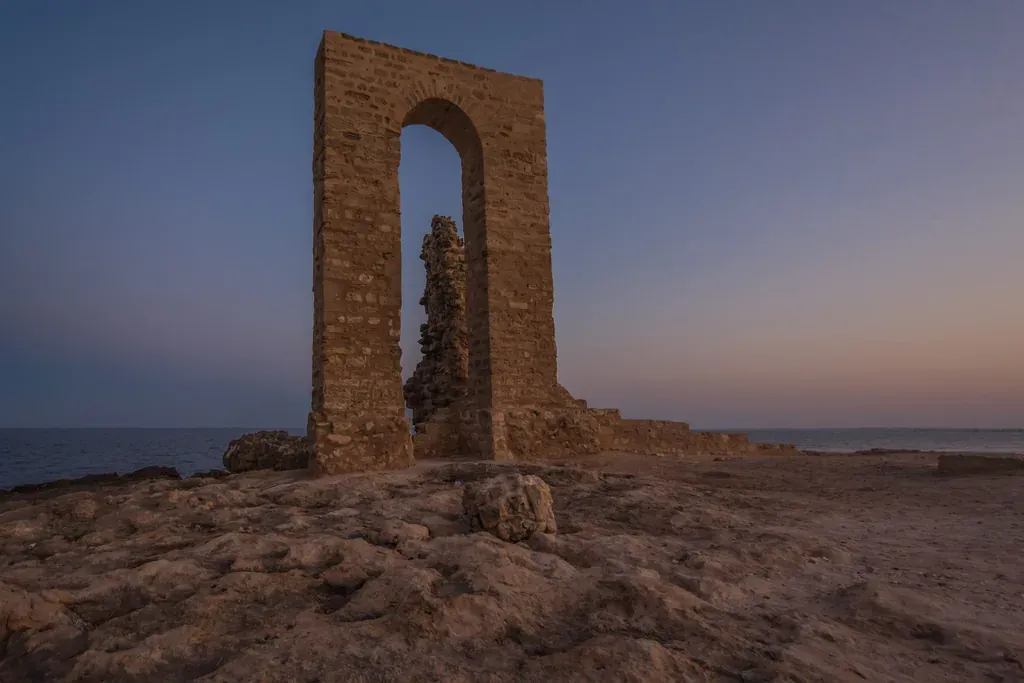
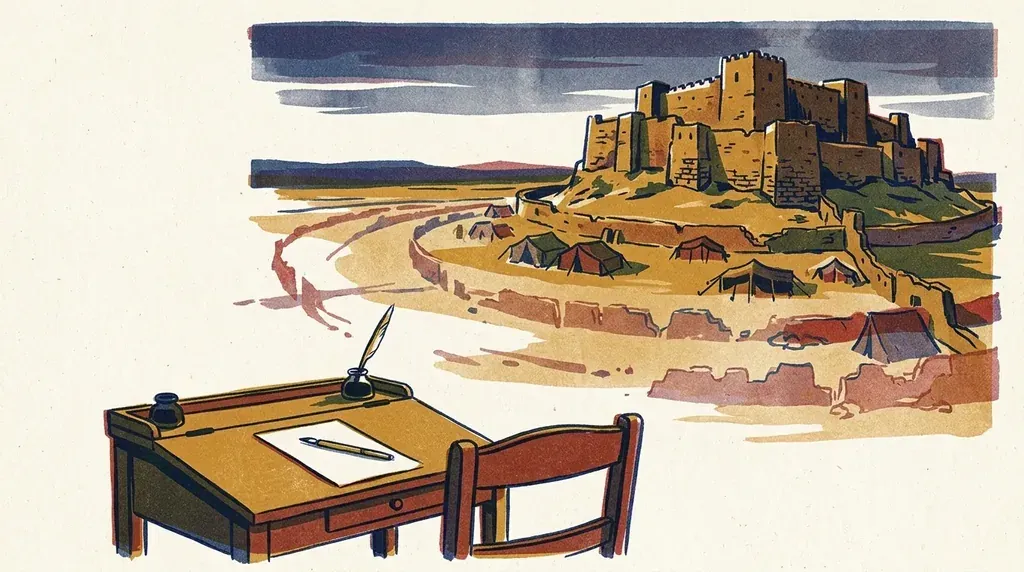
Fatima Al-Fihri, a wealthy heiress from Kairouan who settled in Fez with her family, devoted her fortune to founding the Al-Qarawiyyin mosque, which became the oldest university in the world still in operation today. A portrait of a woman whose name remained in the shadow of the scholars she made it possible to train.
Who was the young woman from Kairouan who became a builder of knowledge?
a woman’s name can be lost behind her nicknames, never the work she built.
She was born in Kairouan, in Ifriqiya, in the early ninth century, under the Aghlabid emirate. Her family wanted for nothing: her father, Mohammed ibn Abd-Allah Al-Fihri Al-Qurayshi, was a wealthy Kairouan merchant, and the household where she grew up, alongside her sister Maryam, was comfortable and close-knit.
In that household, education was not reserved for boys: the father was determined that both his daughters should receive a careful education. Fatima soon stood out for her sharp mind and her thirst for knowledge, a curiosity that would never leave her.
Why did her family leave Kairouan to settle in Fez?
Fatima Al-Fihri was born in Kairouan, right at the start of the ninth century, in the household of a merchant, Mohammed Al-Fihri. Nothing in that Tunisian cradle hinted at the city that would become her own: Fez, at the other end of the Maghreb, where her family chose to start afresh.
The Fihri family did not leave alone. They joined around three hundred other families who left Kairouan to go into exile in Morocco, at a time when Fez lived under the rule of Sultan Moulay Idriss II. It was in this adopted city, which became her own, that Fatima would grow up, and later die, around 880.
What did she found in 859, and why has it remained the oldest university in the world?
When her father died, and later her husband, Fatima inherited an immense fortune. Rather than keep it for herself, she chose to turn it into a legacy devoted to knowledge. In 859, in Fez, she founded the Al-Qarawiyyin mosque, “the mosque of the people of Kairouan”. Her father’s inheritance thus became something more than a family asset: a place open to anyone who came to learn.
The mosque grew into a university, crossing the centuries without losing its original purpose. Today, UNESCO regards it as the oldest university in the world, a title few institutions can claim. Fatima Al-Fihri remains the other name behind this story: that of a woman who turned a private inheritance into a common good.
Why did her name stay in the shadows for so long, and why is it resurfacing today?
Even her own name faded for a long time behind her nicknames. Fatima Al-Fihriya, born around 800 in Kairouan and who died in 880 in Fez, was known as Omm al-bannine, "mother of the two sons", or Omm al-Cassim, "mother of Cassim". In the custom of her time, a woman was named after her sons rather than herself, and for a long time this habit stood in for a biography: people remembered above all that she was a mother, far more rarely that she had founded a university.
Her name resurfaced in 2019, when the association Muslims for Progressive Values created the Fatima Al-Fihria Visionary Award and presented it to Bochra Bel Haj Hmida in Washington. By choosing this name to honour a woman of today, the association recalled that it belongs to the founder of Al Karaouiyine University, in Fez, Morocco, in 859, the oldest university in the world. Centuries after her motherhood-based nicknames, it is now her own name that carries the honour.
From Kairouan to Fez, from a father's inheritance to the founding of a university that would cross the centuries, Fatima Al-Fihri's story comes down to one simple truth: a woman's name can be lost behind her nicknames, never the work she built. Everyone who crosses the threshold of Al-Qarawiyyin today walks, often without knowing it, in the footsteps of a woman from Kairouan who chose to turn a family inheritance into open doors onto knowledge.
More to read on La Sultane
Sonya Ben Behi, bookstagrammer and serial reader
Dr. Leila Lakhoua Houimli: substance, elegance & competence