Women's financial independence remains a major challenge in our contemporary societies. For centuries, women lived under male economic dependence, relegated to supporting roles with no real financial power. They endured arranged marriages for purely economic reasons, with no access to property or inheritance.
Even today, this battle for women's financial autonomy remains a burning issue in our Maghreb societies.
From Historical Exclusion to the First Victories
For centuries, society considered women incapable of making financial decisions. Women's financial independence seemed unthinkable in a system where marriages were arranged for economic reasons.
The twentieth century marked a decisive turning point thanks to the feminist movements. The right to vote, the fight for equal pay and access to employment finally opened the way to women's economic emancipation.
The Pay Gap: An Inequality That Persists
Despite the progress made, women still earn less than men for equivalent work. This structural pay gap drastically limits their financial autonomy and has serious consequences:
- Heightened financial vulnerability, particularly among single mothers
- Reduced entrepreneurial opportunities and limited access to training
- Inadequate pensions leading to long-term impoverishment
Closing this gap is not merely a matter of justice. It is about restoring equality of opportunity and enabling women to take full part in economic life.
Financial Autonomy: The Key to Freedom of Choice
Economic independence gives women the power to decide freely: where to live, how to raise their children, how to manage their time. It also acts as a bulwark against economic violence, that insidious form of domination in which one partner deprives the other of financial means.
A financially autonomous woman can leave a toxic relationship, rebuild her life and protect herself. It is a question of dignity as much as of personal safety.
Three Essential Levers for Financial Autonomy
1. Mastering the Management of Your Money
Keeping a budget, tracking your spending and anticipating your bills all help you steer your daily life more effectively. Understanding your financial situation is the first step towards economic freedom.
2. Saving and Investing Wisely
Even on a modest scale, saving builds security. Investing in a savings account, a project or property makes it possible to face the future with peace of mind. The point is not to become a finance expert, but to make informed choices.
3. Developing Your Professional Skills
Access to training, the development of new skills and career changes are powerful levers. They make it possible to increase your income and reach better-paid positions. Entrepreneurship can also offer a promising path to autonomy.
Removing the Structural Obstacles That Persist
Despite the progress made, women still face numerous barriers:
- Entrenched gender stereotypes, particularly those linked to motherhood
- The double burden of professional life and domestic tasks
- Limited access to funding for entrepreneurship
- Professional networks that are less accessible
Concrete solutions are needed to remedy this: flexible working policies, a fair sharing of parental responsibilities, stronger support for entrepreneurs and access to funding for women-led ventures.
The Financial Mental Load: An Invisible Weight
Financial independence is not simply about earning money. It also means carrying, often alone, the day-to-day planning: bills, schooling, healthcare, unforeseen expenses. This economic mental load weighs heavily on women, particularly in single-parent households.
Acknowledging this reality calls for structural support policies: access to public services, transparency of costs, simplified administrative procedures and appropriate social support.
Inheritance and Transmission: Breaking the Inequalities
Financial independence also concerns what we pass on. Long excluded from property and inheritance, women still inherit less, invest less and pass on less wealth in certain societies.
Encouraging women to become active in the transmission of savings, property or economic know-how remains essential. This means educating girls, providing training in wealth management, and legal reforms guaranteeing equality in inheritance.
Economic Education from Childhood
Financial autonomy is built from childhood. An early economic education helps girls develop a healthy relationship with money and work. Too often, boys are taught conquest and girls caution.
Including financial education in school curricula, encouraging family conversations about money and celebrating models of female success all sow the seeds of future autonomy.
Feminism as a Driver of Change
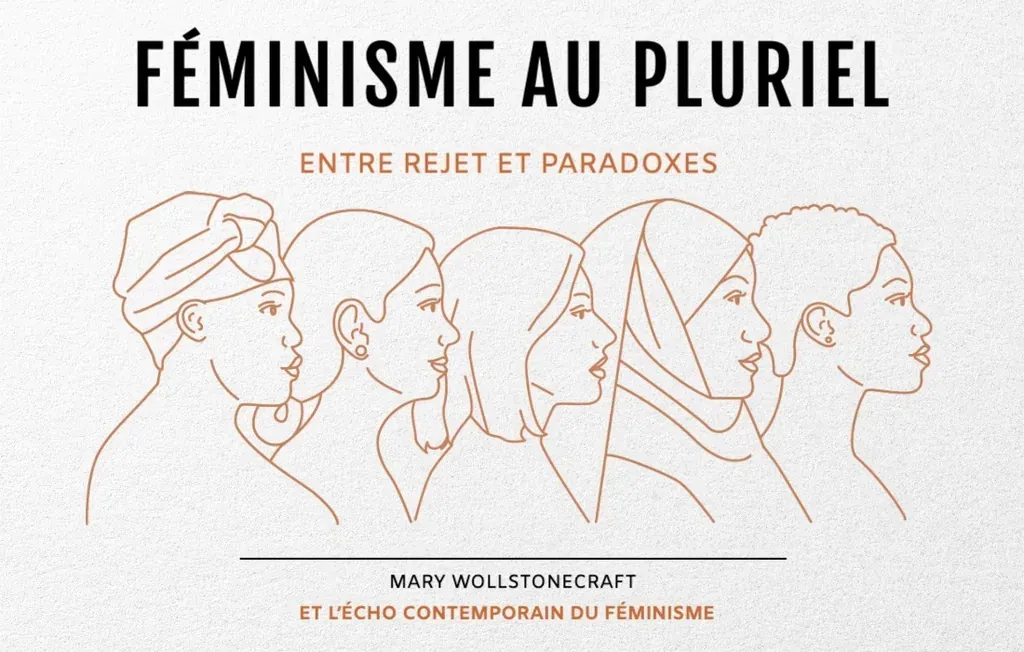
Feminist movements have played a decisive role in promoting women's economic autonomy. They have denounced inequalities, claimed rights and freed up speech.
Feminism has also insisted on the importance of financial education and of mastering economic tools. It has helped break the idea that women are somehow not "made for money".
Towards a Genuinely Equitable Society
Women's financial independence benefits everyone. It strengthens the resilience of households, stimulates the local economy and fosters innovation. A woman who decides, creates and invests enriches society as a whole.
It is also a question of fundamental fairness: why should some women live under control or dependence? Economic emancipation is an essential pillar of social justice.
This struggle remains both individual and deeply collective. It demands courageous policies, a shift in mindsets and active solidarity. A society that gives women the means to live fully rises as a whole.