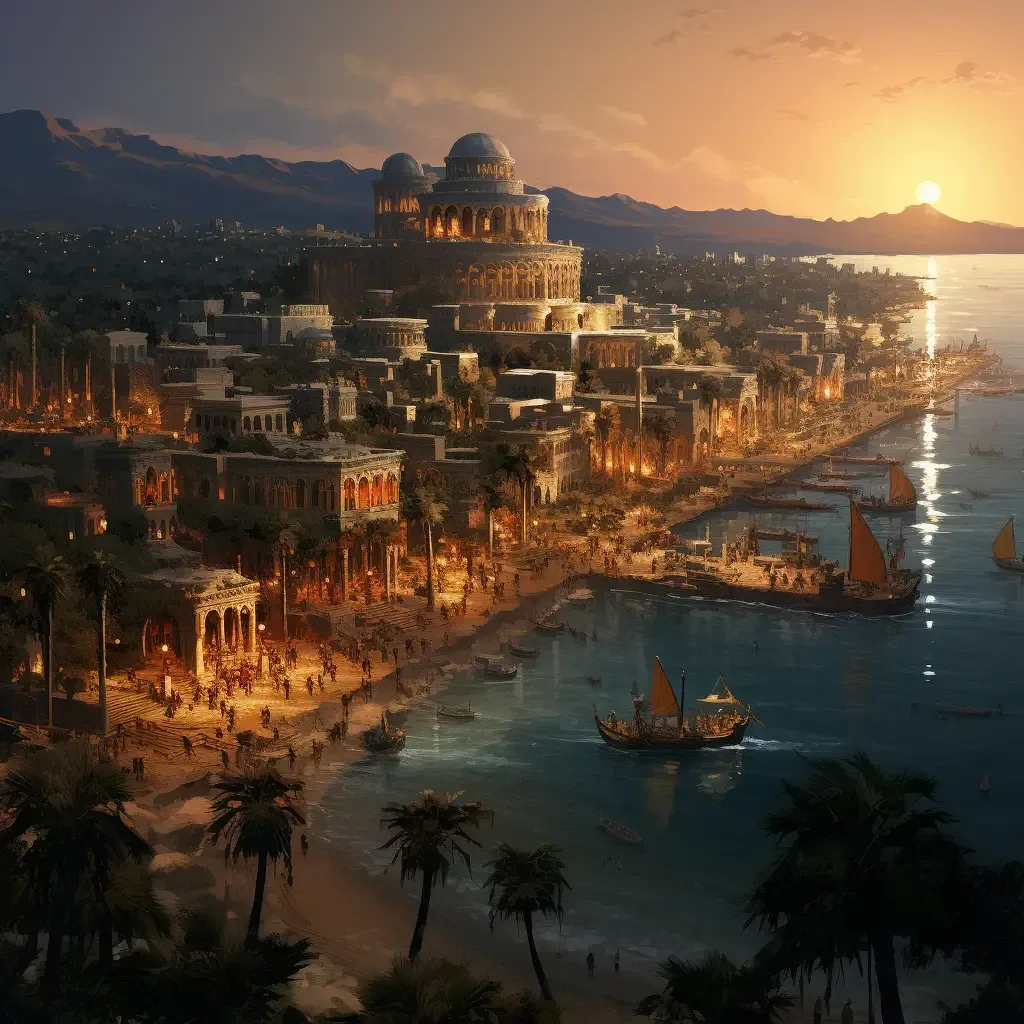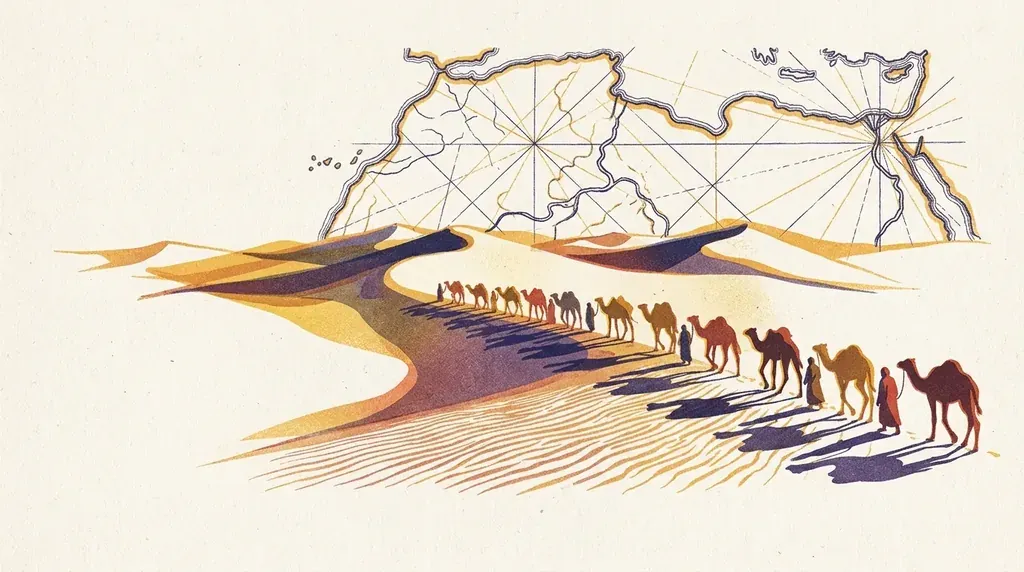
Who truly founded Carthage? Behind the myth of Dido—known to the Phoenicians as Elyssa—lies the story of a city born from trade and alliances in the 9th century BCE. Between legend and excavation, here’s what ancient texts and archaeology reveal.
Who was Elyssa, the legendary founder of Carthage?
Her tale—a blend of political cunning and tragic fate—embodies a defiant femininity that challenged the powers of her time.
Behind the myth of Dido, or Elyssa in her Phoenician name, stands a historical figure as enigmatic as she was resolute. A princess from Tyre, she is said to have fled her kingdom to escape a forced political fate. Ancient accounts, from Virgil to Justin, cast her as Carthage’s founder, arriving on the shores of modern-day Tunisia in the 9th century BCE. Her name—variously Elyssa, Elisha, or Hélissa—reflects the many traditions that celebrated her: a woman whose boldness left its mark far beyond the legends.
Ancient texts speak of her alliance with a Berber king, sealed by an agreement as ingenious as it was symbolic. Rather than submit to King Hiarbas’s demands, legend tells she chose death by fire, preferring self-immolation to a forced marriage. While archaeology struggles to confirm these details, her legacy endures: Carthage, born from the meeting of Phoenicians and local peoples, became one of the Mediterranean’s greatest cities.
How was Carthage truly born?
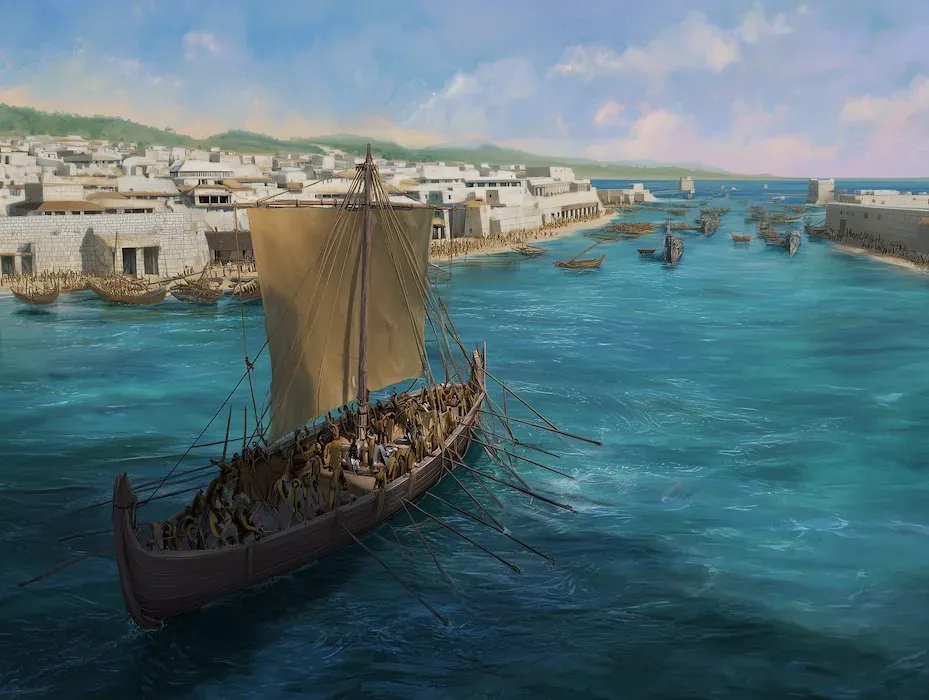
Ancient texts place Carthage’s founding around 814 BCE, long after the Phoenician trading posts of Utica and Hadrumetum (modern-day Sousse). Settlers from Tyre chose this strategic site for its natural harbour and fertile land. According to tradition, they forged alliances with local populations, laying the foundations for a city destined for greatness.
Though the legend of Elyssa, the Tyrian princess, lends this birth an epic hue, archaeologists highlight a more pragmatic reality. The Phoenicians, masters of Mediterranean trade, established Carthage as a vital link between East and West—centuries before Rome’s founding in 753 BCE. Excavations reveal an early urban sophistication, blending Phoenician craftsmanship with local influences.
Why has the legend of Elyssa endured across centuries?
The myth of Elyssa, Carthage’s legendary founder, has rooted itself in the collective imagination far beyond ancient texts. Her story—woven with political guile and tragic destiny—embodies a form of female resistance against established power. The horse’s head unearthed at the city’s founding, later depicted on Carthaginian coins, is one example: a detail both real and mythical, bridging legend and history to reinforce the city’s sacred aura.
Over time, Elyssa became a guardian figure, a reminder that Tunisia’s history has often been shaped by women at its forefront. Her legacy transcends mere founding myth: it offers a narrative where intelligence and determination defy eras, still inspiring a Carthaginian identity proud of its roots.
Why did Carthage and Rome become rivals?
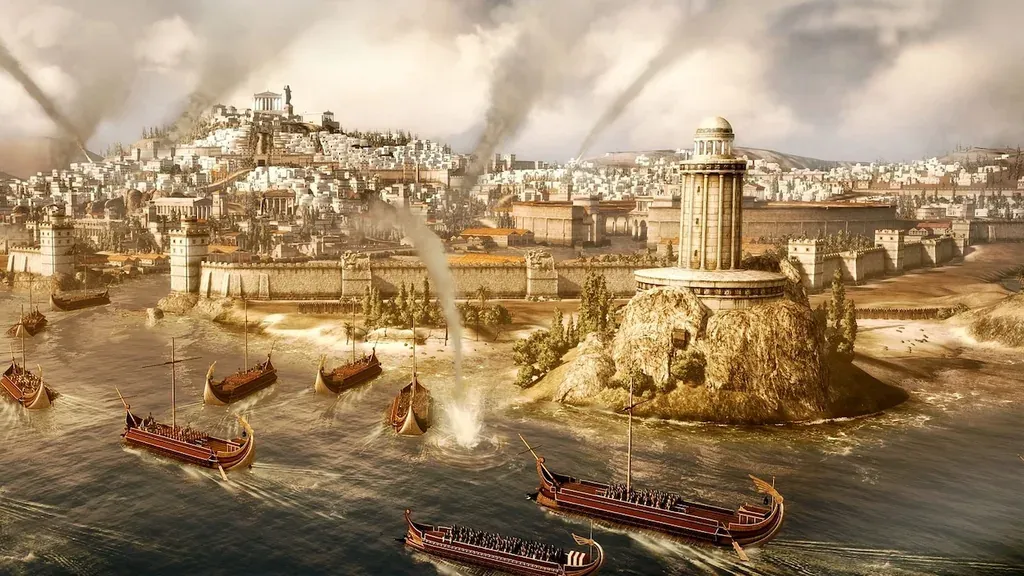
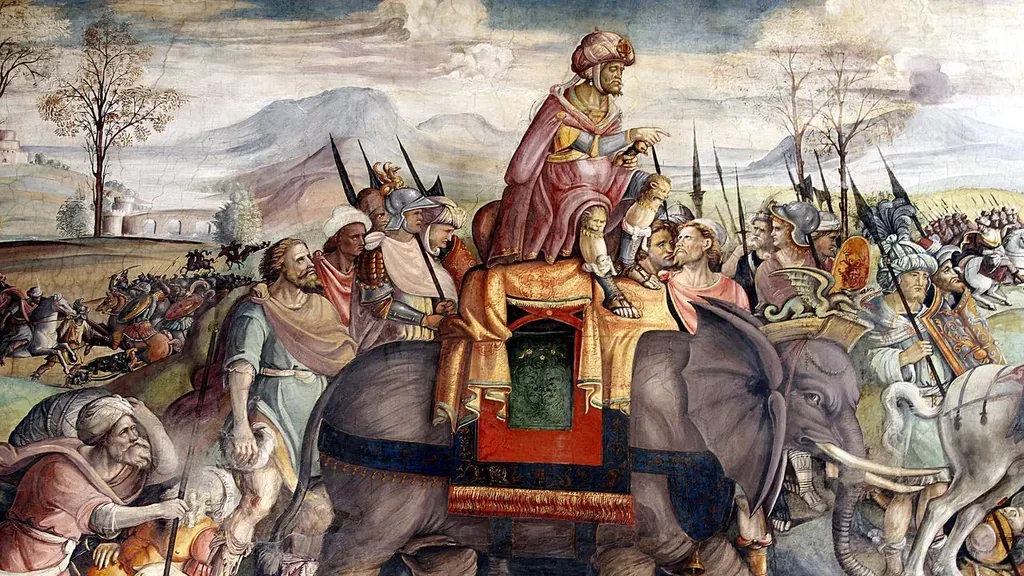
Carthage, a maritime and commercial power, extended its influence across the western Mediterranean. Rome, in its rapid expansion, viewed this city—controlling trade routes and strategic alliances—with suspicion. Their rivalry was born of competition: two rising empires, with incompatible ambitions, vying for dominance over the same space.
The alliance between Carthaginians and Numidians, sealed by the marriage of Sophonisbe—daughter of the general Hasdrubal Gisco—to King Syphax, crystallised tensions. Rome saw it as a direct threat to its hegemony. Sophonisbe’s legendary beauty, born in 235 BCE, became the symbol of an alliance that, for the Romans, had to be broken.
Today, Carthage is little more than an archaeological site, yet its story still speaks to us. Between the stones of its Punic harbours and Virgil’s verses, Elyssa embodies that rare alchemy where legend meets reality. While excavations may never reveal the true face of this Phoenician princess, they remind us of a simple truth: great cities are often born from audacious dreams, carried by women and men who dare to challenge the horizon. If you visit Byrsa, take a moment to walk to the sea’s edge. It’s said that’s where it all began.