Where does harissa, the fiery sauce that has become Tunisia's culinary emblem, come from? Handed down from kitchen to kitchen for centuries, it spices up couscous and sandwiches alike, from Djerba to the Sahel. In Nabeul, its unofficial capital, the sauce is celebrated every October, now in its 11th edition, crowned by Unesco's listing of harissa as intangible heritage in 2022.
Why is harissa Tunisia's national sauce?
A gesture passed from hand to hand, long before it was ever fixed in a cookbook.
Harissa has been part of Tunisia's culinary heritage for centuries. This paste of sun-dried red chillies, ground with cumin, coriander and caraway and finished with tomatoes, passed from kitchen to kitchen until it became a family ritual long before it was ever a shop-bought condiment.
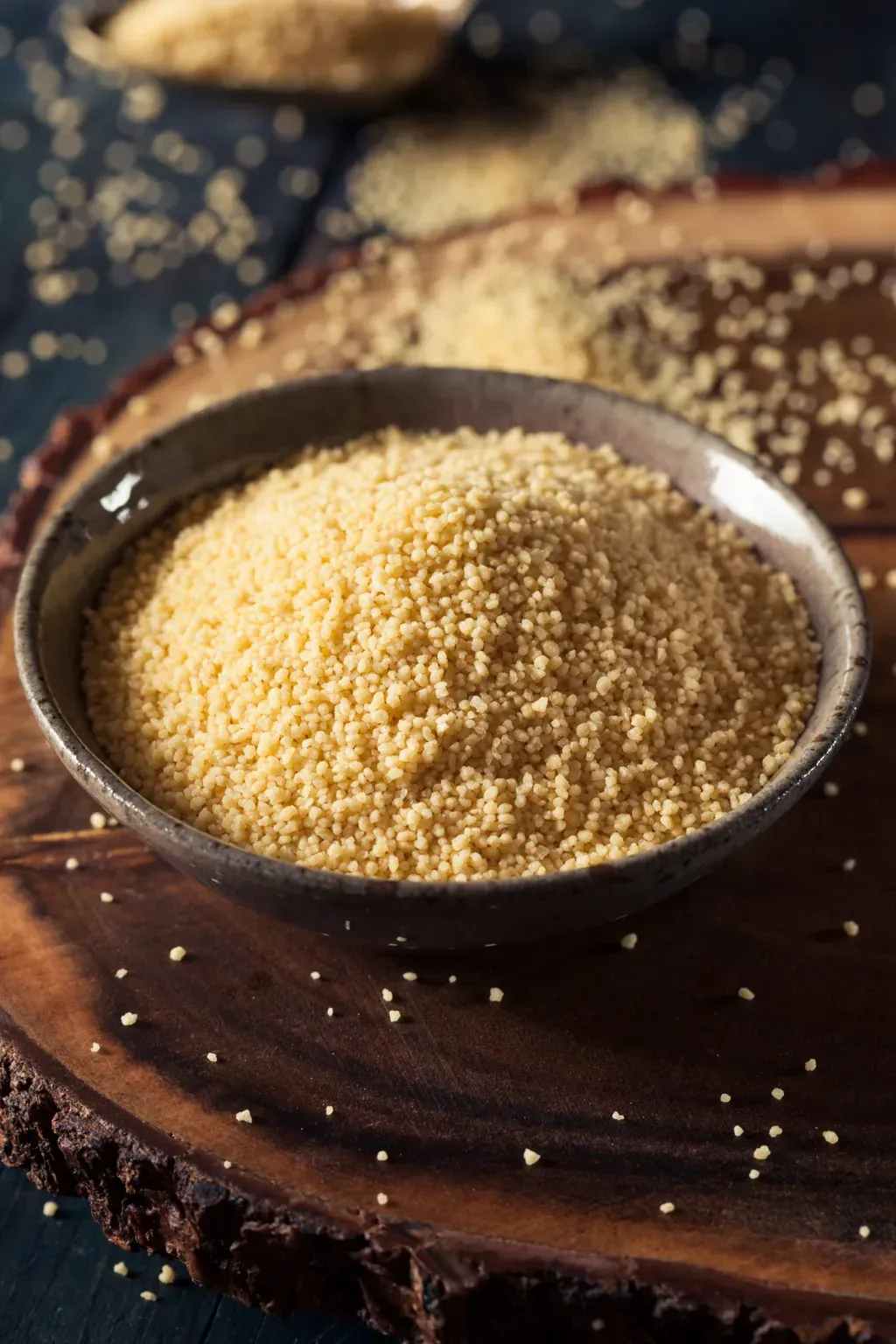
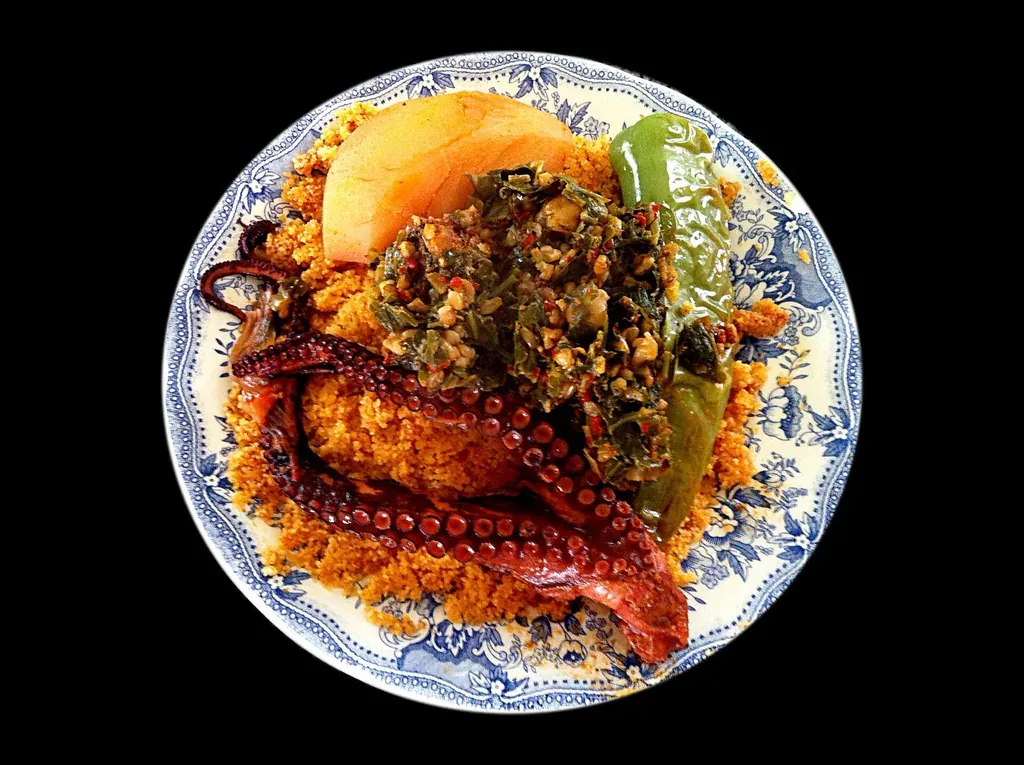
You'll find it alongside couscous and kefteji alike, or tucked into a sandwich, which explains why it's nicknamed Tunisia's national sauce. Djerba and the Sahel hold it especially dear: people grow up with it there, and its familiar heat has seasoned everyday tables long before it became fashionable.
Why does Nabeul hold the title of harissa capital?
Nabeul, the capital of Cap Bon, sits on the southern edge of the peninsula, about sixty kilometres south-east of Tunis and not far from Hammamet. The town has around 70,000 residents, and it's here that harissa finds its warmest home: every autumn, it's celebrated the way you'd celebrate a beloved grandmother.
Every October, the Harissa and Chilli Festival sets up at Dar Nabeul, on Place Farhat Hached off Avenue Habib Bourguiba, to the delight of food lovers everywhere. The festival is now in its 11th edition, devoted to this fiery blend of red chillies, garlic and olive oil, which Unesco added to its intangible cultural heritage list in 2022.
Whether it comes from Nabeul's grand October celebrations or a family pot in Djerba and the Sahel, Tunisian harissa is, above all, a matter of handing down: a gesture passed from hand to hand long before it was ever fixed in a cookbook. Keep a jar within reach in your own kitchen: it lifts a couscous, wakes up a kefteji, and slips easily into an everyday sandwich.
Also on La Sultane
Tunisian Cuisine: A Gastronomic Journey Through Many Flavours