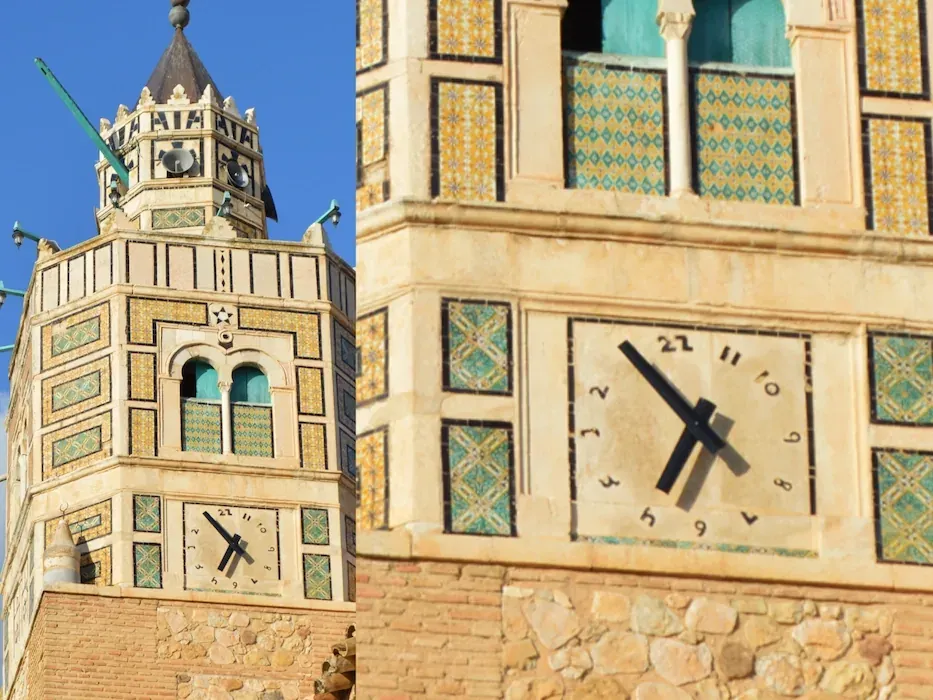
Nabeul, capital of the governorate of the same name on the Cap Bon peninsula, deserves far more than a simple stopover: a centuries-old medina, a recently renovated archaeological museum, harissa famed throughout the country and artisanal pottery make it a destination in its own right, less than an hour from Tunis.
Where is Nabeul, and what should you know about the town?
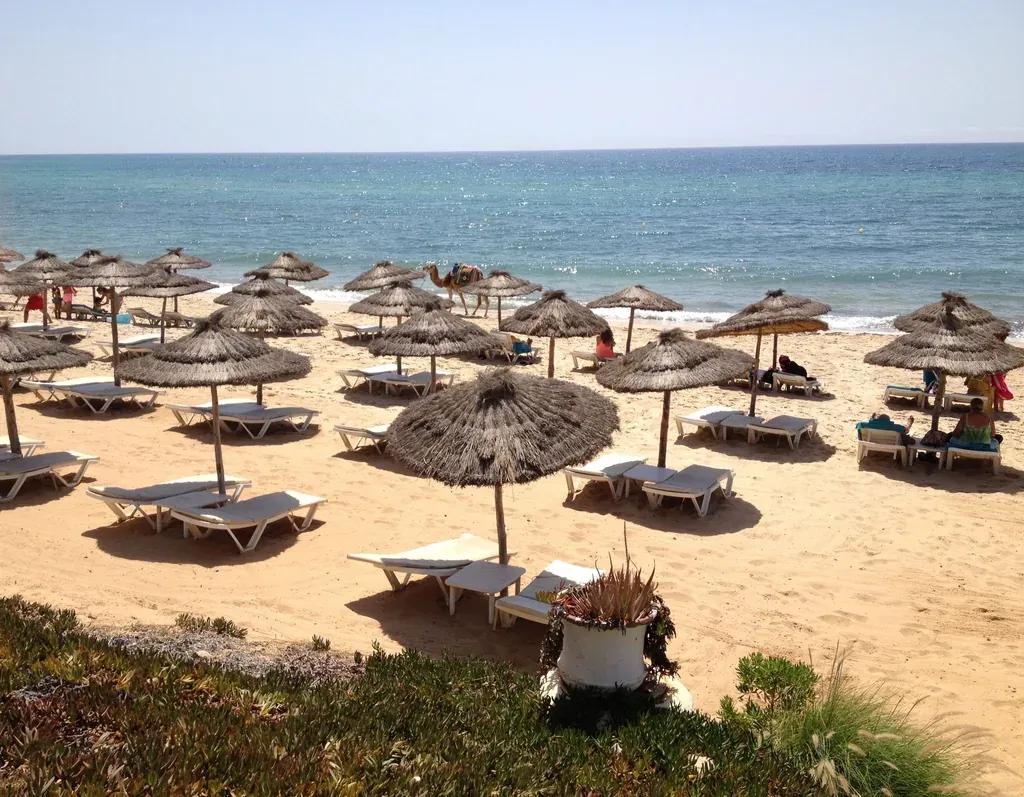
Set in the south of the Cap Bon peninsula, some sixty kilometres south-east of Tunis and not far from Hammamet, Nabeul has around 70,000 inhabitants. Together with the neighbouring towns of Menzel Bouzelfa (the town of oranges), Dar Chaâbane, Béni Khiar and El Maâmoura, it forms a conurbation that reaches out into the Mediterranean. Orchards, gardens, a mild climate and a fine-sand beach make it a destination prized by European tourists.
A medina of great beauty
The souks are the heart of the town: souk El Haddada (the blacksmiths), souk El Balgha, souk El Ihoud (the Jews’ souk) and souk Ezzit (the oil souk) bear witness to its historic role as a place of trade. The medina opens through several gates, among them Bab Bled — the main entrance — Bab El Khoukha and Bab El Zaouia. Fertility, climate and farming and trading activity drew, over the centuries, waves of migration from Djerba and Kairouan, as well as the arrival of Andalusians driven out of Spain; the Jewish community, settled in the same period, made up 10% of the population before the French protectorate, with its synagogue close to the Great Mosque. The railway line linking the town to Tunis, begun towards the end of the 19th century, left its mark on the urban fabric and turned Nabeul into a fledgling seaside resort.
What is there to see in the way of heritage and tourism?
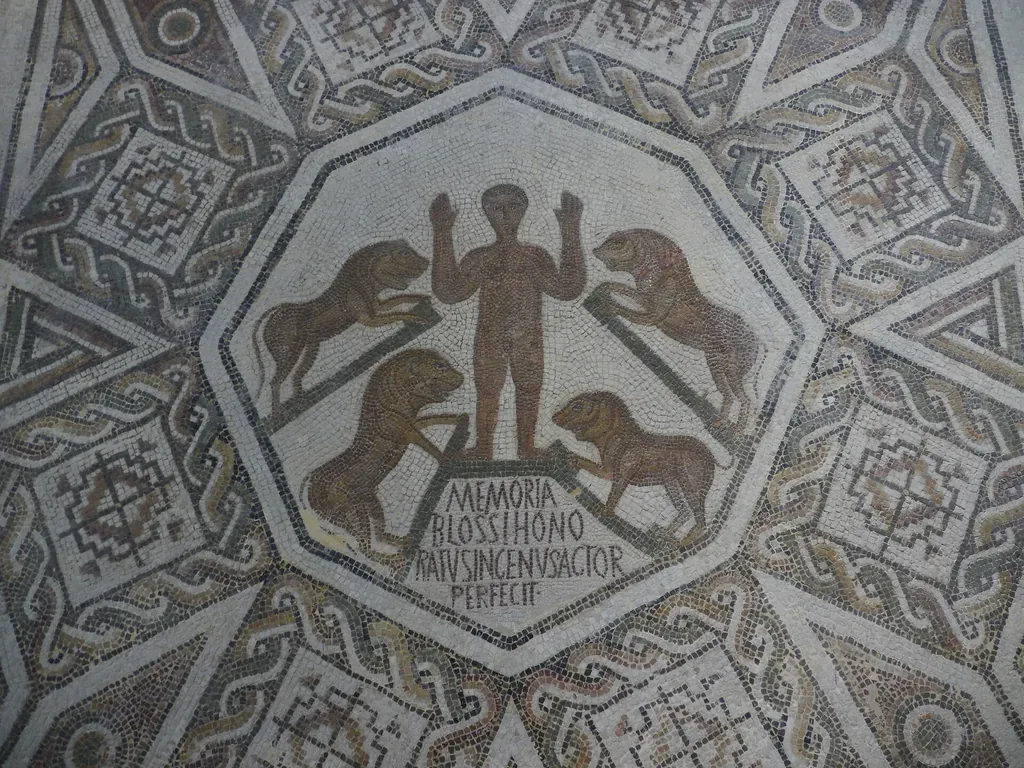
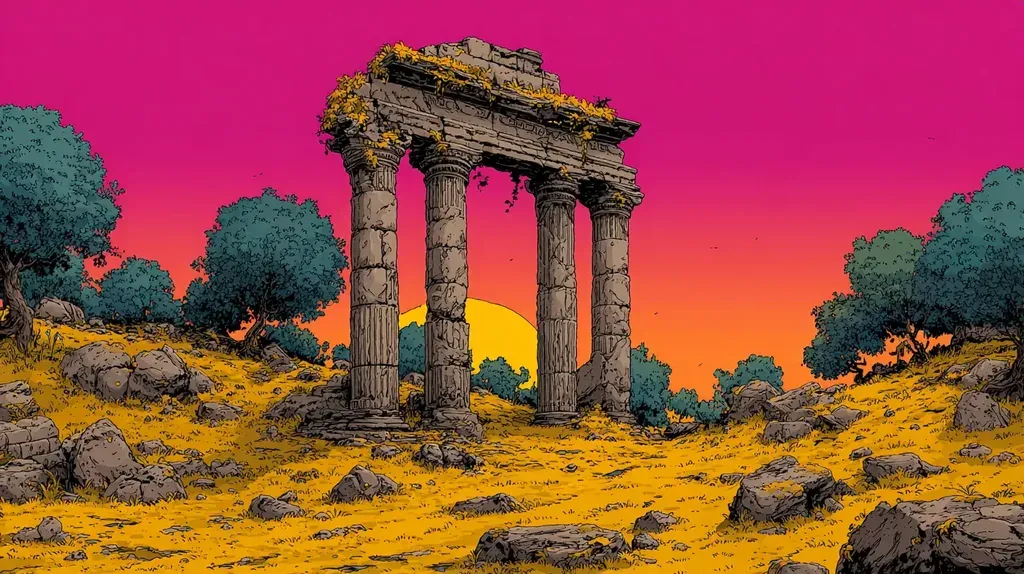
Among the tourist sites are the Roman site of Neapolis, two kilometres from the centre, and above all the archaeological museum, housed in a modest town-centre residence and entirely renovated. It presents ceramic objects, Punic statues dating from the 7th century BC and a substantial collection of Roman mosaics from the sites of Cap Bon, as well as sculptures in fine marble and terracottas from a sanctuary dedicated to the Punic gods Baal Hammon and Tanit — a museum well worth the detour, including with the family. This tourist momentum is confirmed season after season, moreover: Nabeul and its neighbour Hammamet have once again made a very good start to the peak tourist season in 2026.
Why is Nabeul the capital of harissa?
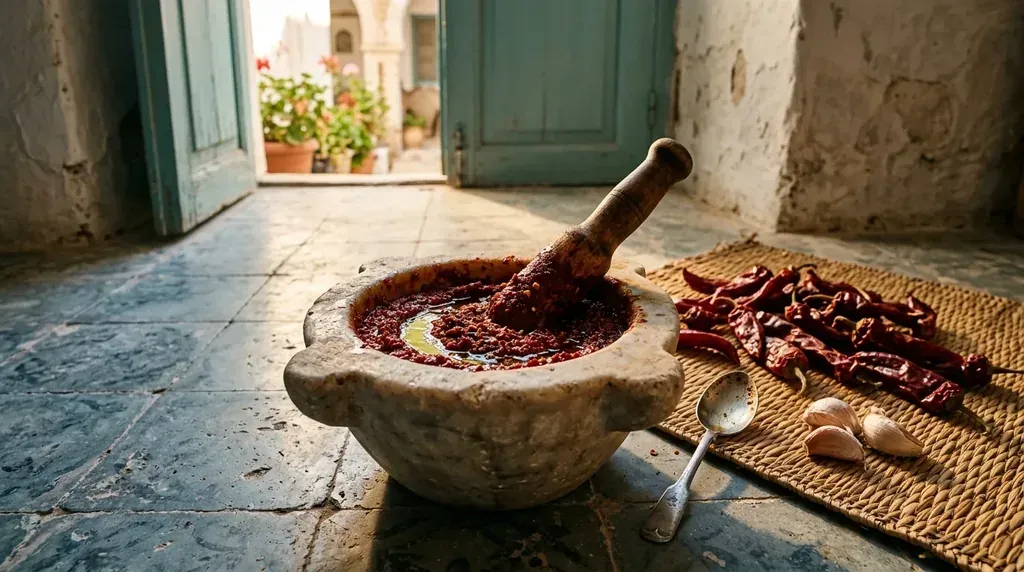
Every year in October, the Harissa and Chilli Festival is held at Dar Nabeul, on Place Farhat Hached on Avenue Habib Bourguiba, to the great delight of discerning food lovers. Harissa has been part of Tunisia’s culinary heritage for several centuries: a purée of red chillies dried in the sun then ground with spices — cumin, coriander, caraway — and dried tomatoes, or sometimes made with fresh or steamed chillies. The chilli itself reached Tunisia by way of the Columbian exchange, during the Spanish occupation between 1535 and 1574. Its name comes from the Arabic verb “harasa”, which means “to crush”, “to pound” or “to grind”.
Tunisia’s “national sauce”, harissa is used as a condiment with couscous or kefteji, or as a sandwich filling; it is particularly rooted in Djerba, in the Sahel and, of course, in Cap Bon — as the pomegranate is in Testour, each Tunisian region thus cultivating its own edible emblem.
What place do crafts hold in Nabeul?
Beyond its farming, Nabeul is renowned for its crafts and for the quality of its pottery, in particular its painted plates and its faience. This production, revived during the first half of the 20th century thanks to the research of the Frenchmen Tessier and Deverclos and of Jacob Chemla, of Tunis, is still handed down from father to son in the local workshops, to the point that several museums take an interest in the pieces signed by these renovators. The mat-makers work the green rush harvested in early summer (yellow, green, burgundy, purplish blue) to make mats and baskets, while the souks also shelter work in copper and leather, the chéchia and embroidery.
What other traditions make up Nabeul’s “dolce vita”?
Nabeul is the only place in Tunisia where sugar figurines are made, a moulded and painted confection given to children and to brides at every Muslim New Year, and set on the couscous dishes of great occasions. The town also grows citrus — oranges, lemons, bitter orange — and distils their blossom, alongside bourbon geranium and Damask rose, for a production sold locally and for export, a tradition that Nabeul has managed to preserve better than other Tunisian towns.