From the mosaics of the Bardo to the pottery of Guellala, Tunisia holds one of the richest museum collections in the Mediterranean basin. Punic, Roman and Islamic treasures sit alongside the popular arts, spread across the whole country from Tunis to Djerba. Some institutions have reopened after long works, others remain closed for restoration. Here is where to go today to explore that heritage, region by region.
Tunis and around: mosaics, ceramics and traditions
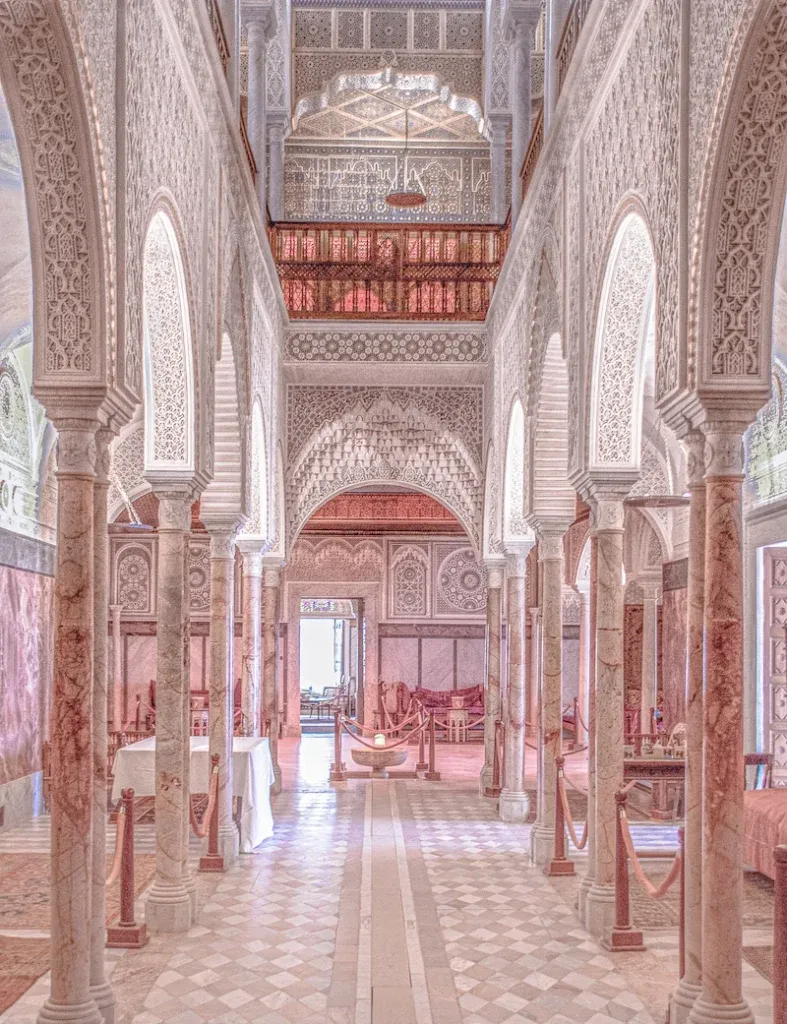
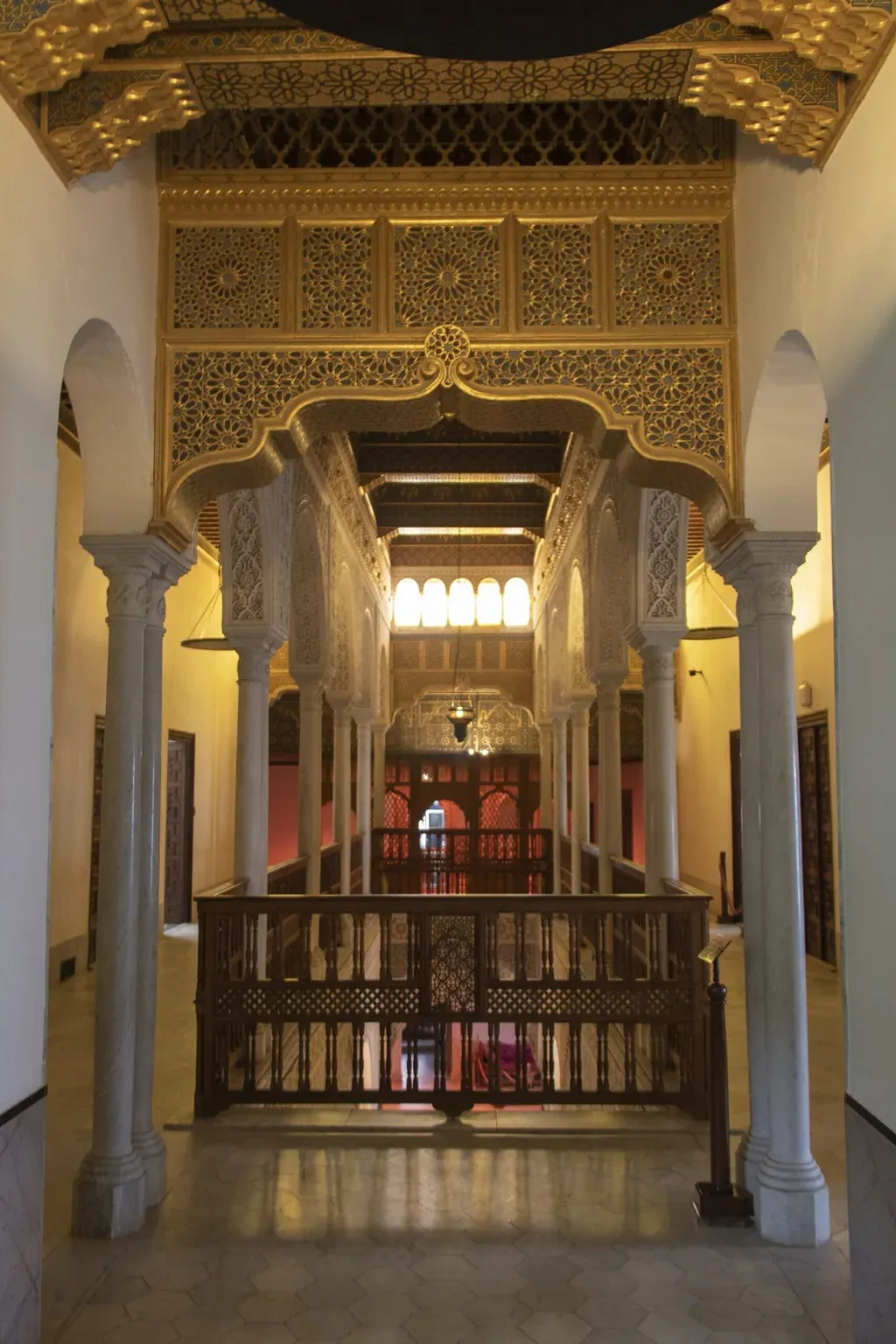
The most fabulous museum of mosaics in the world stands in Tunis, in the old beylical palace of the Bardo. Fully renovated and enlarged in 2012, it closed its doors again from July 2021 to September 2023 — two years of work that widened several rooms and opened a new department devoted to Islamic manuscripts. Since it reopened on 14 September 2023, visitors can once more walk one by one through the countless masterpieces left by Tunisia’s mosaicists, the most celebrated of the Roman world, inside a one-of-a-kind collection of Roman antiquities.
Also in Tunis, the Sidi Qacem Jellizi ceramics museum occupies the former zaouïa (a religious lodge) dedicated to the master ceramicist of the 15th century, and keeps alive the handing down of these Tunisian craft trades now in peril. The Museum of Popular Arts and Traditions, set in the Dar Ben Abdallah palace, has by contrast stayed shut for restoration since 2009, with no reopening date announced to this day.
Carthage and Sidi Bou Saïd: antiquity meets music
In Carthage, the national museum on the hill of Byrsa holds exceptional pieces — a sculpted sarcophagus, a statuette of the god Baal. It has been closed since 2018, though, for a major rehabilitation of the Acropolis, with reopening targeted for 2026. Depending on where your interests lie, head instead for the oceanographic museum of Carthage at Salammbô, open all year except Monday, or the museum of musical instruments in the Ennajma Ezzahra palace at Sidi Bou Saïd. Its collection of more than 400 instruments, under restoration since 2022, gained an immersive extended-reality installation in 2026, “Ennejma Ezzahra XR”.
The north-west: on the trail of the Numidians
In the regions of the north-west, the Chemtou museum lays out, in a modern display, a wealth of detail on the Numidians — the indigenous ancient civilisation that also produced Jugurtha, the lion of Numidia, and that grew through its contact with Carthage. Digs on the site turned up the remains of a temple dedicated to the Numidian king Massinissa. Closed for several years for security reasons in the region, the museum reopened to the public in December 2019. The Museum of Popular Arts and Traditions in the town of Le Kef, for its part, occupies a magnificent religious building of the 18th century, the former zaouïa of the Rahmaniyya brotherhood. It remains a mine of detail on the equestrian tradition, on the costumes and jewellery of the north-west, and on life under Bedouin tents.
Kairouan and the Sahel: Islamic arts and mosaics
In Kairouan, the Raqqada museum shows medieval pieces of great value: lustreware ceramics, manuscripts including the famous Blue Quran, dated to the 10th century. Sousse has a first-rank archaeological museum, housed in the Kasbah, with exceptional Roman mosaics dated from the 2nd to the 4th century. Visit too the museum and the reconstruction of a Roman villa at El Jem, where a vast archaeological park now unfolds the Villa Africa, a full-scale reconstruction of a sumptuous ancient residence of nearly 3,000 m² brought to light in the 1990s. The Museums of Popular Arts and Traditions of Sousse, Monastir and Mahdia round out this panorama of the Sahel.
Sfax and Djerba: grand houses and island life
In Sfax, the old Kasbah houses a museum devoted to the historic architecture of the city, while the Dar Jallouli palace — a sober, majestic house of the 17th century — displays the fine objects that once accompanied the lives of well-off families. On Djerba, the Museum of Traditional Heritage at Houmt Souk covers the different sides of island life, from costume and pottery to farming and fishing, and the Guellala museum sets out scenes of traditional life along with the Berber pottery that has made the region’s name since antiquity.