Tunisia reveals an exceptional archaeological heritage through its Roman sites. Scattered across 163,000 square kilometres, these ancient remains bear witness to more than 3,000 years of history. Several Roman archaeological sites are today inscribed on UNESCO's World Heritage List, offering visitors a fascinating plunge into Antiquity.
Carthage: the jewel among Roman archaeological sites
Carthage remains the most iconic Roman archaeological site in Tunisia. Set to the north-east of Tunis, this ancient metropolis is now home to the presidential palace. The ancient city once dominated Mediterranean trade and military affairs.
The Romans conquered Carthage after recognising its growing power. They then destroyed the Punic city to rebuild a new one on its ruins. The imposing Saint-Louis Cathedral, a blend of Byzantine and Moorish styles, now stands atop the hill of Byrsa.
The must-see monuments of Carthage
From the top of the hill of Byrsa, visitors take in the strategic opening onto the sea. This panorama reveals why Carthage favoured large-scale trade across the Mediterranean. The acropolis of Byrsa preserves mighty foundations, fragments of columns and sections of wall that evoke the magnificence of the Roman forum.
The remains are scattered across a vast expanse. To the north-west of the Acropolis, the Maalga cisterns are the largest installations of Roman Antiquity. They supplied the metropolis with water carried by aqueduct from the springs of Zaghouan, 70 kilometres away.
The amphitheatre bears witness to the martyrdom of Saints Perpetua and Felicity in the 4th century. The Baths of Antoninus, built in the 2nd century, rank among the largest thermal complexes in Africa. These monuments perfectly illustrate the Roman art of living in Tunisia.
Dougga: the gem of Tunisia's Roman archaeological sites
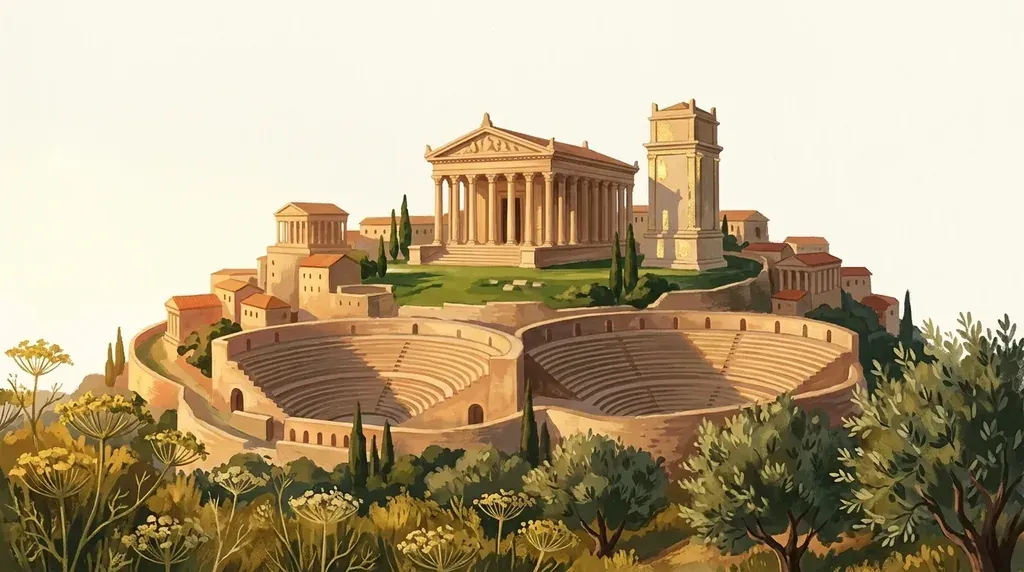
Dougga, formerly Thugga, is without doubt the most prestigious Roman archaeological site in Tunisia. Its setting on a spur overlooking the Mejerdah valley gives this place an exceptional beauty. The name "Thugga" means "greenery" in the Libyan language.
The site stretches over several dozen hectares and spans several historical eras. A forest of century-old olive trees surrounds the remarkably well-preserved monuments. The capitol and the theatre were "set back on their feet" by prisoners of war after the First World War.
An exceptional architectural heritage
From dolmens to Byzantine fortifications, every stage of ancient African history is on display at Dougga. The capitol, the theatre and the Libyco-Punic mausoleum are among the most elegant buildings in the Mediterranean basin. The patrician residences also reveal the refinement of the Roman era.
El Jem: the African Colosseum
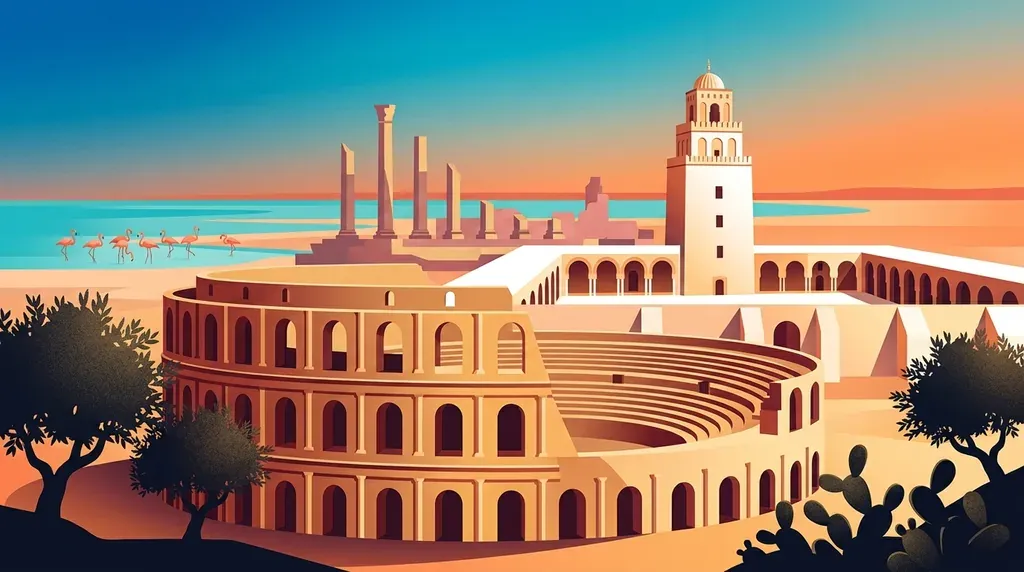
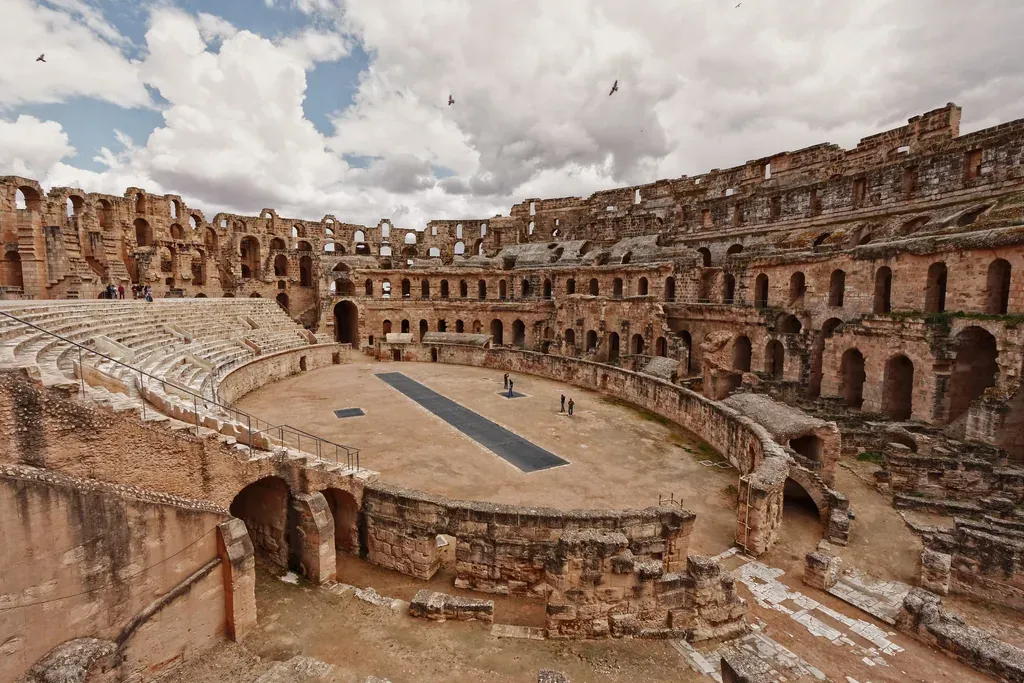
The Colosseum of El Jem is the most imposing Roman monument in North Africa. Its round, massive silhouette rises from a desert plain that makes it visible from a great distance. This exceptional setting underlines its historical importance.
Remarkable architecture and dimensions
Almost elliptical in shape, the monument measures 149 metres long by 124 metres wide and 36 metres high. The tiers could seat up to 30,000 spectators, ranking this building seventh in the world after Rome, Capua, Milan, Autun, Verona and Carthage.
The arena, 65 metres long, is crossed underground by two wide galleries. Performers, wild beasts and machinery arrived through these passages from sixteen underground cells. Today, the Colosseum of El Jem hosts the symphonic music festival and various artistic events.
Other remarkable Roman archaeological sites
Bulla Regia and its underground villas
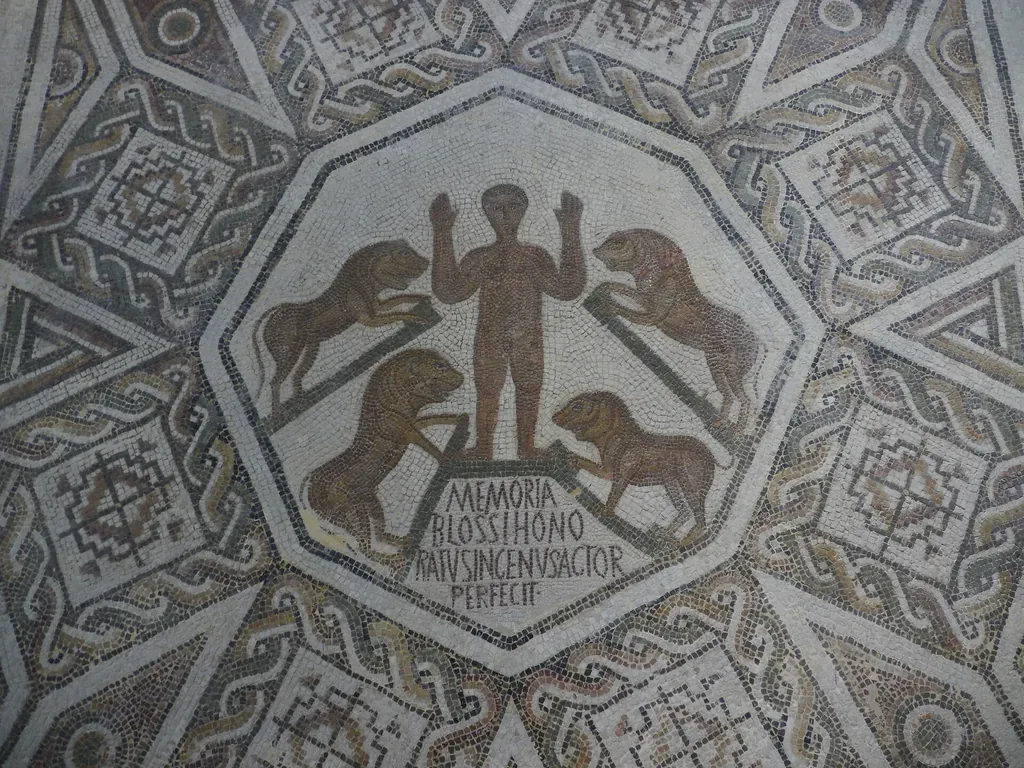
Bulla Regia offers a unique architectural originality: multi-storey villas with an underground level to counter the summer heat. These almost intact residences preserve superb mosaic pavements, notably the dazzling scene of Amphitrite borne by a sea centaur.
Thuburbo Majus: a testament to ancient wealth
Located to the south-west of Tunis, Thuburbo Majus reveals impressive ruins across 40 hectares. The sumptuous houses, fitted with heated bathrooms and adorned with mosaics, attest to the wealth of this Roman city. The six-columned capitol and the temple of Ceres, later turned into a basilica, dominate the site.
Chemtou: capital of Numidian marble
Chemtou, ancient Simitthu, was famous for its quarries of yellow and pink marble. This celebrated giallo numidicum adorned prestigious buildings across the ancient Mediterranean world. The site includes the quarries, the industrial installations and the city with its preserved monuments.
Tunisia's Roman archaeological sites at a glance
A concise overview of the six sites featured, to help you plan your route:
| Site | Location | Not to be missed |
|---|---|---|
| Carthage | North-east of Tunis | Hill of Byrsa, Maalga cisterns, Baths of Antoninus, amphitheatre |
| Dougga (Thugga) | On a spur overlooking the Mejerdah valley | Capitol, theatre, Libyco-Punic mausoleum |
| El Jem | Desert plain, visible from a great distance | Amphitheatre (up to 30,000 spectators) |
| Bulla Regia | — | Villas with an underground level, mosaic of Amphitrite |
| Thuburbo Majus | South-west of Tunis | Six-columned capitol, temple of Ceres |
| Chemtou (Simitthu) | — | Quarries of yellow and pink marble (giallo numidicum) |
Planning your visit to the Roman archaeological sites
Tunisia offers an exceptional archaeological route through its Roman sites. These ancient remains, witnesses to civilisations thousands of years old, deserve an in-depth visit. Each site reveals different aspects of Roman life in North Africa.
Tunisia's Roman archaeological sites make up an invaluable world heritage. They perfectly illustrate the cultural and historical richness of this Mediterranean land. These ancient monuments continue to fascinate visitors with their beauty and their remarkable state of preservation.