In a gloomy climate, the traditional values of love and authority no longer seem enough. Teaching optimism therefore becomes essential. Children and adolescents, today more than ever, feel powerless in the face of life. Parents and teachers, driven by love and responsibility, must teach them optimism.
The current climate: beyond love and authority
We are witnessing a shift in educational approaches. Optimism is emerging as a decisive factor in children's well-being. The psychiatrist Alain Braconnier underlines this, recalling that while past years placed the emphasis on love, we then recognised the need for boundaries and authority. Today, those two pillars are no longer enough. The challenge now is to nourish children's joy in living, their desire to grow and their hope.
The pillars of an education in optimism
Curiosity: the first step towards discovery
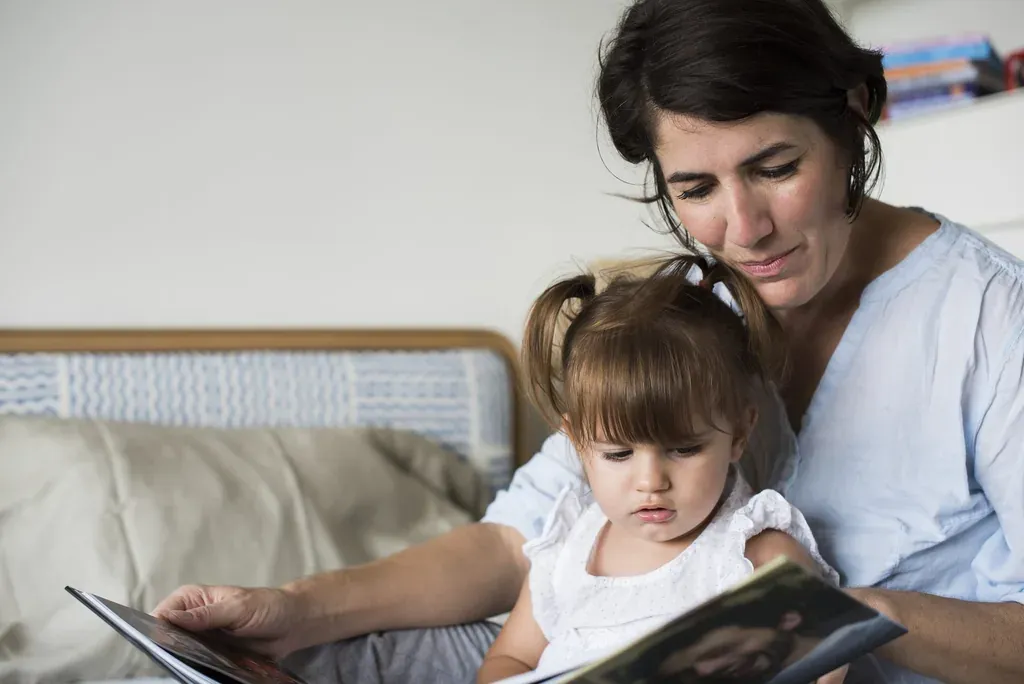
From their earliest years, children possess an insatiable curiosity, and that is a blessing. As they grow up, many adults sadly lose that spark. Little ones see every moment as a chance to discover and to marvel. Since they have not yet grasped the concept of limits, they should be allowed to experiment, to touch and to taste, while being watched over. That supervision guarantees their safety first of all. It also ensures that they feel accompanied and supported, sparing them any sense of abandonment. Helping them solve the mysteries that fascinate them strengthens their confidence in their own intelligence. Rather than confining them to a narrow space, it is crucial to expose them to the vastness of the world. This opening onto the world includes introducing them to reading, museum visits, walks in the open air, picnics, trips to amusement parks and outings to the zoo. Feeding this curiosity builds a solid foundation for lasting optimism throughout their lives.
Mistakes: learning from experience
As their curiosity leads them on, children discover their own limits. So that they do not perceive these discoveries as failures, it is essential to support them, so they feel neither powerless nor discouraged in the face of inevitable challenges and difficulties. Parents must avoid passing on their own fear of failure to their child. Rather than dwelling on the mistake, it is wiser to see every experience as a chance to learn. By trusting their child, by supporting them without stepping in directly, by allowing them to explore and persevere despite mistakes, parents lay down markers for their future. Praise and encouragement are powerful tools for instilling a sense of achievement and optimism. These seemingly simple parental gestures cultivate in a child a solid hope and a deep desire to succeed.
Understanding: avoiding the pessimism trap
Two tendencies dominate pessimistic thinking: the first is personalisation, where the individual constantly blames themselves (for example, "I'm useless and everything that happens to me is useless"), and the second is generalisation, as in "it's always like this with me". To keep a child from adopting this mindset, we must equip them to actively take charge of their situation rather than simply endure it. That starts with giving them clarity about the situation. Explaining what actually happened, identifying the skills they lack or the gaps they need to fill. A child must understand that solutions are always within reach, that they can put them into practice, and that challenges do not stem from some innate bad luck. With this approach, the child not only overcomes obstacles but also cultivates an optimistic attitude in the face of adversity.
Effort: perseverance as the key to success
A child needs to acquire perseverance. To reach their goals, they must show fighting spirit. So, in supporting them, we must show them that every effort they make helps forge their resilience. Every ounce of energy they invest strengthens their place in the world. The projects they take on with this fighting spirit increase their chances of happiness. From an early age, they must feel that their efforts bear fruit. A child needs to realise that they are continually making progress. Instead of criticising them when they fall short of a goal, or comparing them with other children, it is better to value their personal merit and celebrate their earlier successes. By encouraging them to take part in a variety of activities, they will discover their limits and learn to surpass them. That experience will give them a deep sense of pride. Activities such as music, dance, sports, chess, astronomy or mathematics clubs are perfect examples of this development. Through this approach, a child learns not only perseverance but also cultivates a solid optimism for the future.
Relationships: the importance of choosing friendships
When a child or adolescent adopts a pessimistic attitude, they often withdraw into themselves or make friends with people who share their unease. At such times, it becomes essential to pay close attention to their friendships and their circle. The aim is to guide them towards strengthening their empathy while protecting them from potentially harmful relationships. It is often through interactions and the way others see them that children build their self-image and work out their place in the world. By helping them identify and favour positive, enriching relationships, and teaching them to avoid damaging ties, we lay the foundations of a healthy social network. Maintaining healthy relationships can foster a sense of optimism and self-confidence in a child.
In short, these five pillars work together:
| Pillar | What it develops in the child |
|---|---|
| Curiosity | Wonder and confidence in their own intelligence |
| Mistakes | Every experience lived as learning rather than failure |
| Understanding | A way out of the pessimism trap (personalisation, generalisation) |
| Effort | Perseverance, resilience and pride in making progress |
| Relationships | Empathy and self-confidence through positive friendships |
Conclusion
An education in optimism is not just a trend or a response to the prevailing gloom. It is becoming indispensable to ensuring the well-being and flourishing of our children in today's climate. Our children have to face challenges with a strong, resilient and positive mindset. As parents, teachers and educators, we bear the responsibility of passing on these values, of supporting our children through hardship and equipping them with the right tools to face the future with hope and determination. Optimism is not merely a way of seeing things; we must regard it as an essential skill to be developed. That skill will directly shape our children's success and happiness as they grow.