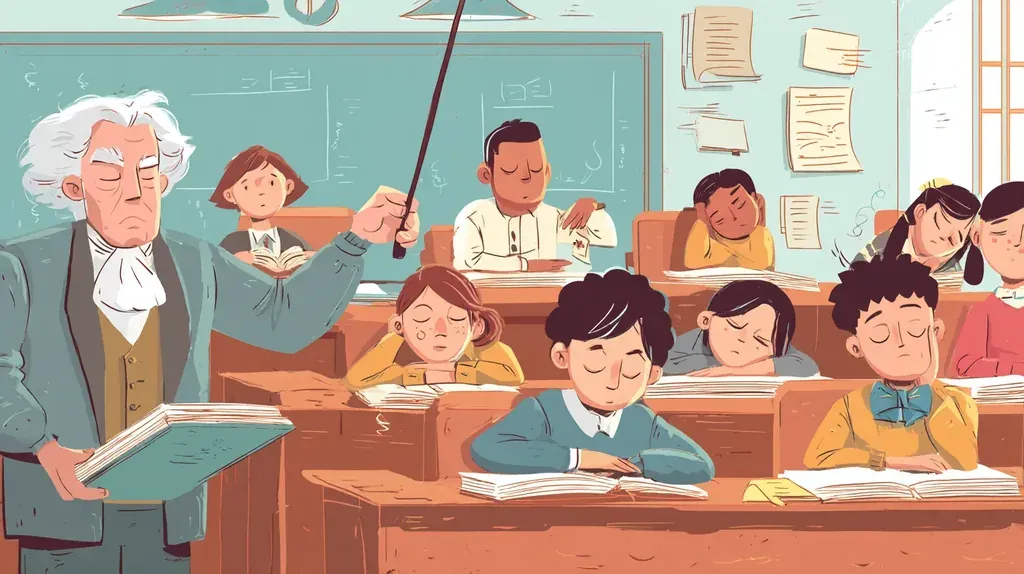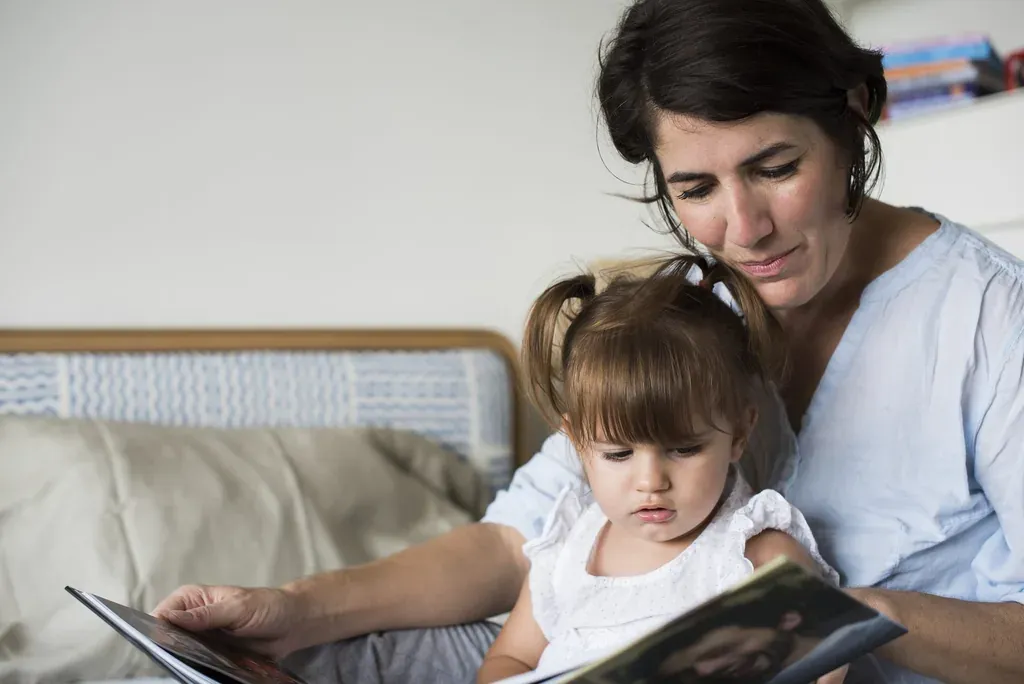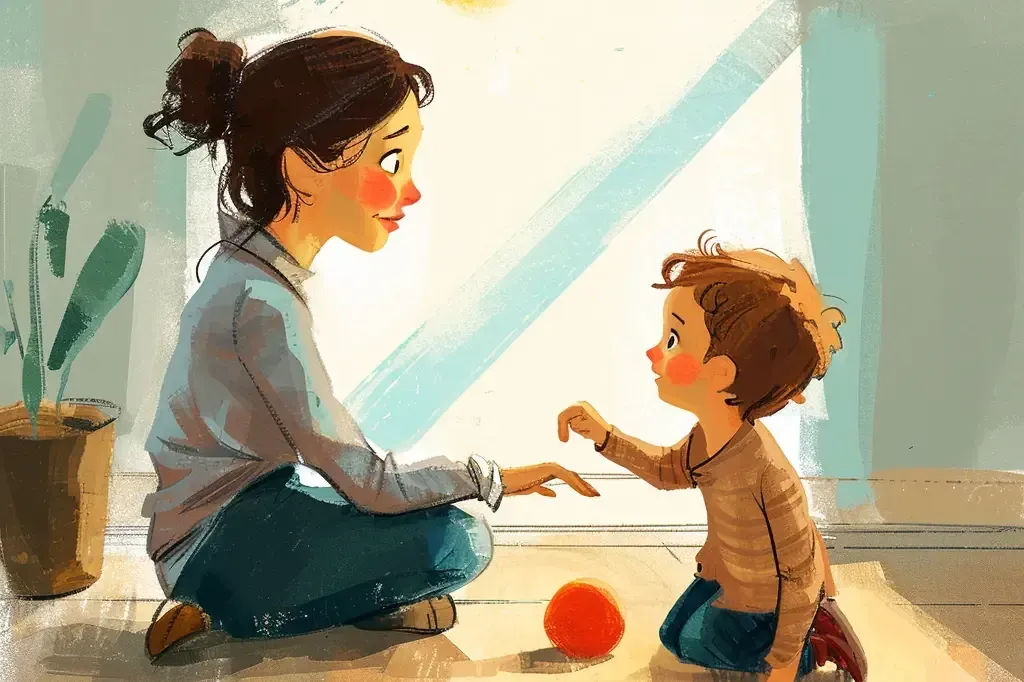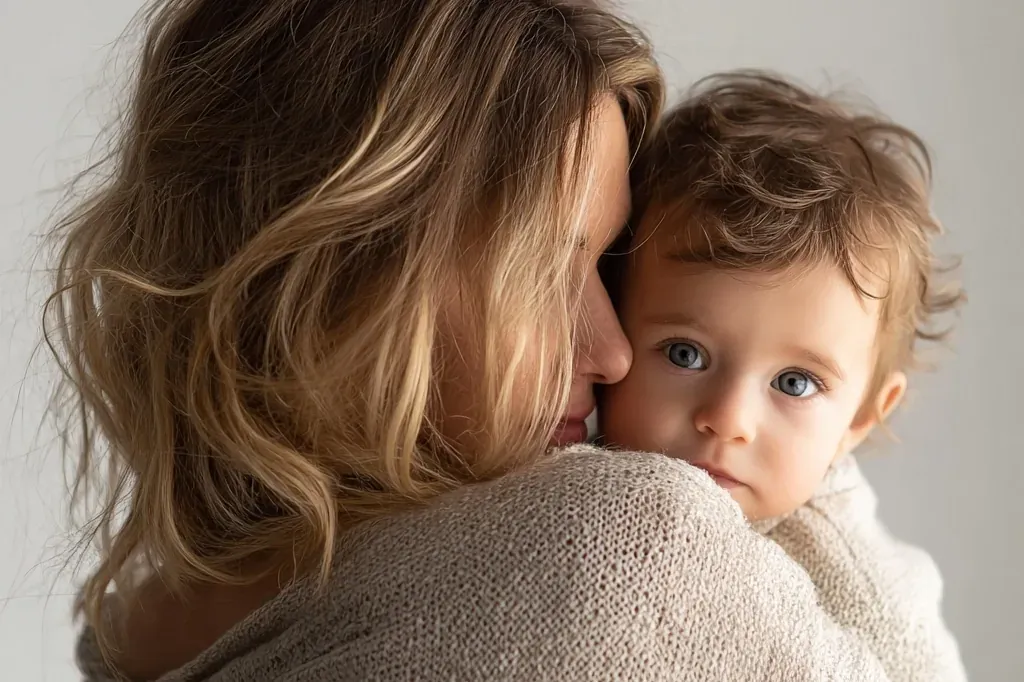
Discipline is a form of teaching for your child. When it's positive, it aims to protect your child from danger, help them control themselves, develop a sense of responsibility, and instill values in them.
As a parent, you've formed a unique bond of attachment with your child. If you apply disciplinary measures in a respectful, consistent and fair way, you'll achieve lasting positive effects.
Guide Your Child Through Positive Discipline
Teaching discipline to your child is one of your most important tasks as a parent — it's also one of the hardest. The Canadian Paediatric Society strongly advises against corporal punishment for children, including spanking, which can harm a child both physically and emotionally. There are other, more effective ways to instill discipline.
Positive discipline is part of your child's learning process, guides them, and contributes to a comforting family environment. It helps them grow into a happy, empathetic person with self-esteem, respect for others, and problem-solving skills.
How to Encourage Good Behavior
A child doesn't adopt good behavior by chance: there's a lot you can do to encourage it. The disciplinary measures to use depend on your child's age, developmental stage and personality, as well as many other factors.
External Forces: What the Family Has Some Control Over
- Physical space: a calm, comfortable, organized environment encourages good behavior.
- Objects: toys suited to your child's age will interest and entertain them; you don't need to buy them in a store — you can find them all around you.
- Routine: plan the day with your child so they know what to expect — planned and unplanned activities, quiet periods and physical activity, with part of every day set aside for playing outdoors.
- Sleep: naps are important for young children and should be part of the routine; keep bedtime and wake-up time consistent, and make sure they get enough sleep at night.
- Diet: a hungry child can be irritable; keep meals at regular times and offer healthy snacks in between.
- Friends: the way your child's friends treat them influences their behavior; get to know them and explain your household rules to them.
- Television and other media: limit screen time; quality programs can encourage positive behavior, while violent shows and games can trigger anxiety or aggressive behavior.
Internal Forces: What's Beyond Your Control
Your child has their own temperament, an innate pattern of behavior that shapes how they react to events and the people around them. They also have a unique personality that you'll learn to understand over time. You can support them by respecting their feelings, thoughts, ideas and comments, being honest with them, and listening when they speak.
How Does My Child's Developmental Stage Affect Their Behavior?
Your child's behavior is closely tied to their age and developmental stage: what they can do, what they're learning, and how they understand and experience the world around them. If you know what to expect from them as they grow, you can use methods they understand to teach them discipline.
What Can You Do to Encourage Good Behavior and Effective Discipline?
- Spend one-on-one time with your child every day.
- Be comforting: hugs, gentle touches, or a small pat on the back.
- If your child is sad or angry, respect their feelings and try to understand why.
- Do fun things together, and laugh together.
- If you make a promise, do your best to keep it: your child needs to be able to trust you.
- Always look for opportunities to praise your child for their good behavior.
- Let small incidents go. Before raising your voice, ask yourself: “Does this really matter?”
- Plan transitions between activities and talk to your child about them so they know what to expect.
- Offer limited, realistic choices that you find acceptable.
- Accept mistakes, and lead by example.
Positive discipline protects children from danger, helps them control themselves, develop a sense of responsibility and internalize values — never corporal punishment, which the Canadian Paediatric Society strongly advises against.