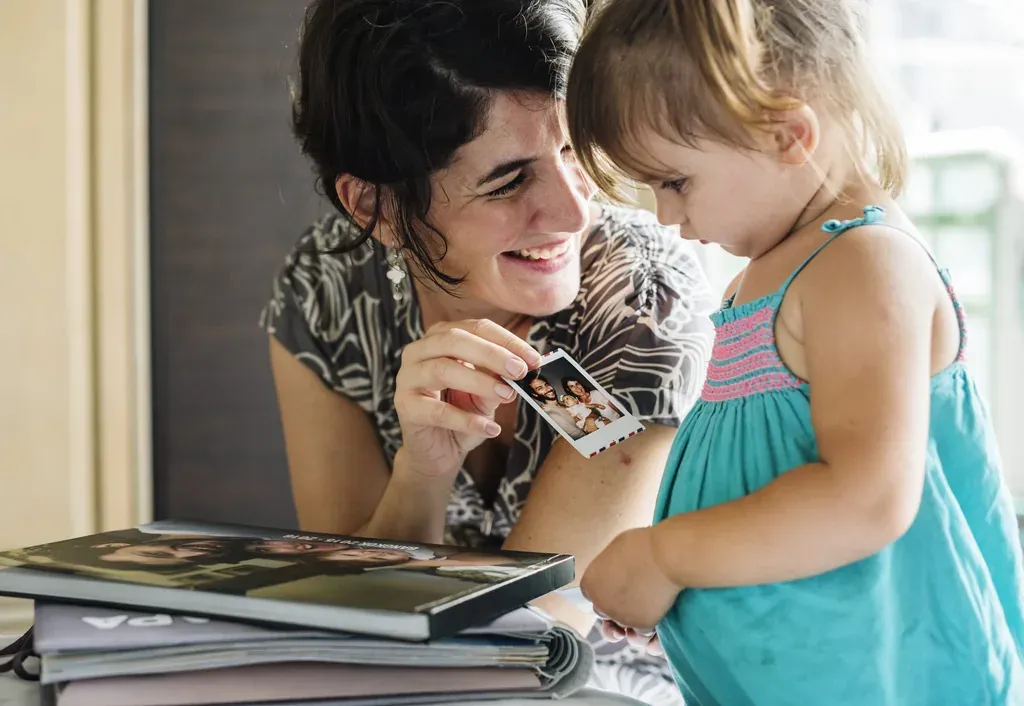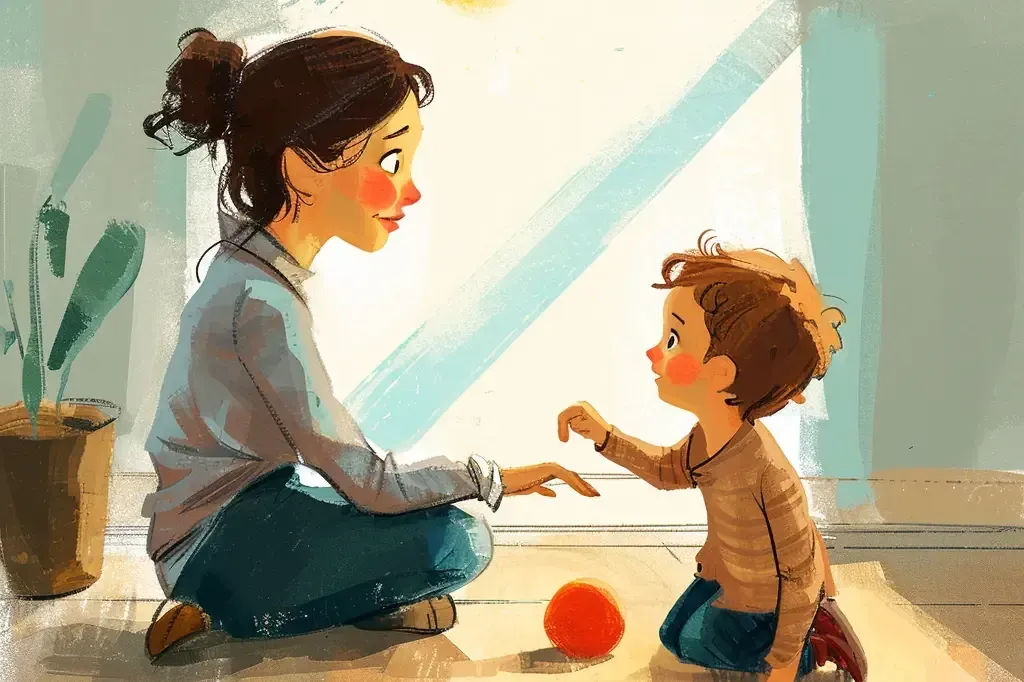
Children start to tell things apart by watching their parents' faces. To encourage good behaviour, a smile, a hug or a word of encouragement is often enough; faced with mischief, a frown and a calm word of disapproval will do, repeated as many times as it takes until the child tells good actions from bad ones.
How do you raise a child under two?
Children and curiosity
Do not punish a child under two for something they do not understand you are telling them off for: they cannot yet tell right from wrong.
At this age, children explore the world around them. They are curious to know things, to understand them: they discover shapes, colours, taste, touch, and sometimes put objects in their mouth to explore the sensation.
That curiosity can lead them into danger, putting electrical plugs, knives or scissors in their mouth. A child cannot grasp how much these objects could hurt them: it falls to the parent to keep them out of reach. Take the dangerous object away calmly, without scolding or shouting, so as not to stir their curiosity further, and turn their attention to something else.
Do not let them take control
At best, your child wants to explore and have fun; at worst, they are after your attention. Do not let them take control: once they work out that piling on the mischief keeps your attention, they will make the most of it. When that happens, stay calm and tell them off without shouting, with a frown and a stern face. Your child will come to understand the limits not to cross — they copy what they see and build their personality little by little by watching how you behave.
The ABCs of raising a child well
At this age, children learn to tell good from bad by watching your face and hearing the tone of your voice. They mimic the people around them: watch what you say in front of them and never underestimate how much of what happens around them they take in. If you let these things slide, avoid losing your temper later for the same reasons — especially if you show indulgence towards a younger sibling.
When your child hits you, hold their hands firmly and stop them doing it again; if they hit you a second time, tell them off with a frown. When they hit another child, hold their hands firmly, explain calmly that it is wrong, then draw their attention to something else. Avoid aggressive or violent reactions, which risk pushing the child to rebel in order to assert their character.
Faced with a tantrum, take your child in your arms, comfort them, turn their attention to something else, but do not give in: otherwise they will learn to use shouting and crying as a strategy to get what they want.
Let your child touch the colourful ornaments around the house, but stay with them: explain what the object is for, what colour it is, keeping an eye out so they neither trip nor break anything. A dedicated punishment spot, a chair or a particular corner, can also help them understand that they have done something wrong.
How do you give your child confidence?
Ask them to teach you something they know how to do: it will help them trust themselves. Give weight to what they achieve and to the effort they put in. Hold them in your arms several times a day — hugs encourage the release of oxytocin, which lowers anxiety and strengthens both the sense of safety and self-confidence.
Play with them, laugh often, give them half an hour a day of undivided attention, with no phone and no television. When you make a mistake in front of them, own it: it teaches them that nobody is infallible.
Teach them to take responsibility, clearing their plate and tidying their room, and encourage their independence as they pick up new skills. Encourage what genuinely interests them rather than loading your own dreams onto their shoulders, and teach them to say what they feel and what they think.
Anton Makarenko's golden rules
According to Anton Makarenko, one of the great educators of the former USSR and of the world (ranked alongside Maria Montessori by UNESCO), a handful of rules make for a successful upbringing.
Your own behaviour shapes your child's upbringing
Talking to your child is not what will raise them on its own. If you take the line of “do as I say, not as I do”, your child will copy your actions and let your words pass. The way you speak, the way you dress, the way you treat other people, all feed into their upbringing at every moment — your child senses your changes of mood, even when you imagine them too young to understand.
Every parent has to understand what they see in their child
Be honest with yourself about what you expect from your child. Avoid seeing them as an extension of yourself and give them the place they deserve as an individual independent of you.
Get to know your child
Give them the freedom their independence needs: that is how they will start taking responsibility. Your child needs to meet different mindsets and different people; go with them, help them recognise the good and the bad, rather than keeping them in an ivory tower.
Teach them to be organised
Good organisation keeps the many details of life in view: great things get done by taking care of the small ones. A good upbringing instils good management of time and space.
Do not rush to the rescue, and do not smother them
Your child needs to learn to face challenges alone, which builds resourcefulness and a sense of initiative. If they are floundering, give them a nudge, but do not do things for them: they need your attention, and they need your trust just as much.
Never put a price on good results
When your child carries out a task well, avoid handing out presents or money, at the risk of turning them into a materialist. Teach them to value success for its own sake, and treat your recognition of their effort as reward enough — without overdoing that either.
A child who does not know their own worth will not be capable of love
Love your child, respect them: that is how they will learn to value themselves and hold themselves in good esteem. Never make them the sole centre of your life — a child cannot grasp what your sacrifices mean, and by obtaining everything unconditionally they could grow into a great egotist, with no respect for you.
By: N.J.M