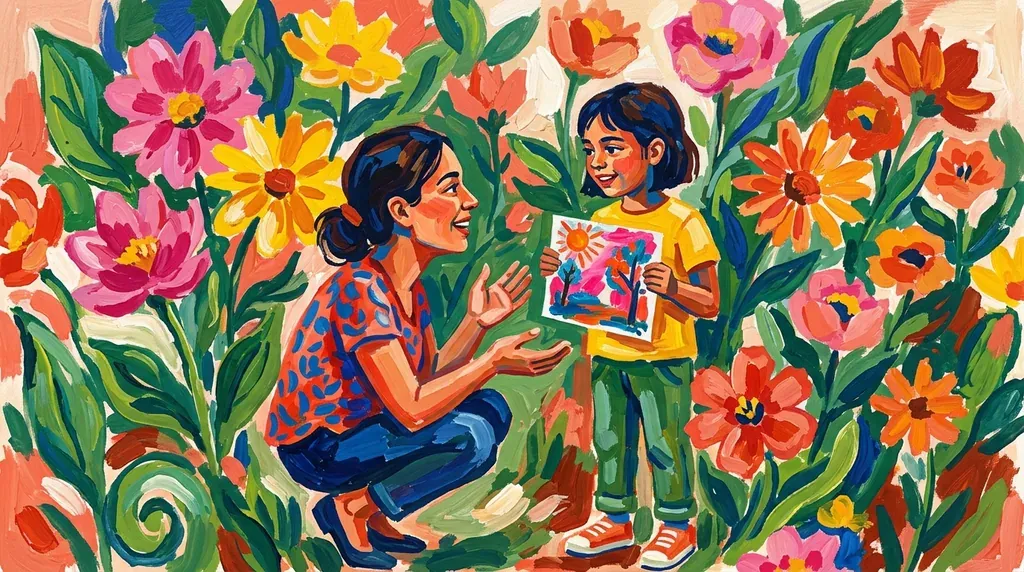
Balanced Parenting is the foundation of healthy growth for children. It involves striking a balance between giving love and setting limits, between encouraging independence and offering support.
The Foundations of Balanced Parenting
Balanced Parenting rests on a few key principles. First of all, it means listening actively to our children. By listening to them, we better understand their needs and their concerns. Next, the balance between discipline and freedom plays a crucial role. It matters that we set clear limits while allowing children to explore and grow. Finally, consistency is essential. Children thrive on routines and clear expectations, which give them a sense of security and stability.
How Balanced Parenting Affects Children
Balanced Parenting has a positive influence on children's development. Balanced parents provide an environment conducive to learning and personal growth. Children who come from such homes often develop better self-esteem, greater resilience in the face of challenges and a better capacity to interact with others. They also learn the importance of balance in their own lives, which helps them in their future relationships.
Strategies for Balanced Parenting
Several strategies can be adopted in order to achieve Balanced Parenting. Encourage your children's autonomy by letting them make age-appropriate decisions. Communicate openly and honestly with them, creating a space where they can express their thoughts and feelings freely. Finally, take time for yourself. A fulfilled parent is better equipped to support their children. Think about balancing your own needs with those of your family.
Environment and Balanced Parenting
Fostering Creativity through Decluttering
Reducing clutter in a child's bedroom encourages their creativity, a crucial aspect of Balanced Parenting. Toddlers, gifted with an extraordinary ability to invent from very little, benefit greatly from uncluttered spaces. By getting rid of unused toys, we teach the value of the essential as opposed to overconsumption.
Creating Islands of Calm
Establishing calm spaces is essential in Balanced Parenting. A less cluttered environment frees the child's mind, fostering deeper and more imaginative exploration. This approach underlines the importance of quality rather than quantity in a child's development.
Choosing Books Intentionally
Decluttering applies to books too. Rather than piling up stacks of books, we should encourage a more considered selection. A limited number of carefully chosen books can spark more interest in reading among children, instead of overwhelming them.
Respecting Children's Learning Pace
Repetition plays a key role in children's learning. By supporting their repetitive choices, whether cartoons, stories or toys, we respect their learning pace. This patient, considered approach is a pillar of Balanced Parenting.
Read also: Optimism: the key to educational fulfilment
Rhythms and Schedules in Balanced Parenting
Balancing Activity and Rest
Children, naturally full of energy, need a balance between activity and rest. In Balanced Parenting, balancing school and extracurricular activities with rest days structures time effectively. This approach brings stability to parenting and establishes clear limits in the day-to-day management of time.
The Importance of Daily Routines
Setting up routines, such as fixed times for meals and bedtime, is crucial in Balanced Parenting. These routines offer children markers of regularity, security and reliability. Including extracurricular activities, cultural outings, and even moments dedicated to tidying up reinforces that structure.
Creating a Secure Framework with Fixed Schedules
Fixed activity schedules, while leaving enough time for entertainment and relaxation, contribute to a predictability that instils a sense of security in the child. Parents play a key role in helping children keep to these schedules, particularly for the activities they enjoy less.
Visualising and Organising Time
For children, who often have a visual approach to the world, having a clear schedule helps them visualise and organise their time. A well-defined calendar reduces mental clutter and prepares children to understand the importance of time. Time is a precious resource.
Appreciating Routine and Its Impact
Well-established rhythms of life allow children to appreciate the beauty of ordinary things and the importance of repetition. This approach also teaches them the impact of their actions on their environment and on the people around them, a fundamental aspect of Balanced Parenting.
Filtering the Adult World in Balanced Parenting
Parental Responsibility in Controlling Media
As parents, it is our responsibility to filter the adult content our children are exposed to. Balanced Parenting involves protecting children from inappropriate content by limiting their screen time. Television and social media, often full of unsuitable content, can harm the development of a child's imagination.
Why Limiting Screen Exposure Matters
Within Balanced Parenting, limiting children's exposure to screens is crucial. Not only does it protect the development of their imagination, it also helps children better understand and appreciate the value of time. Excessive screen exposure can turn children away from appreciating real moments and human interactions.
Promoting Healthy Alternatives
Encouraging activities that do not require a screen is a fundamental aspect of Balanced Parenting. Activities such as reading, outdoor games and direct social interaction are essential to balanced development. They help children appreciate and make the most of the real world, away from digital distractions.
Adopting Balanced Parenting is not only beneficial for children; it also enriches the whole family dynamic. By committing to this approach, we prepare our children for a healthy and happy future.