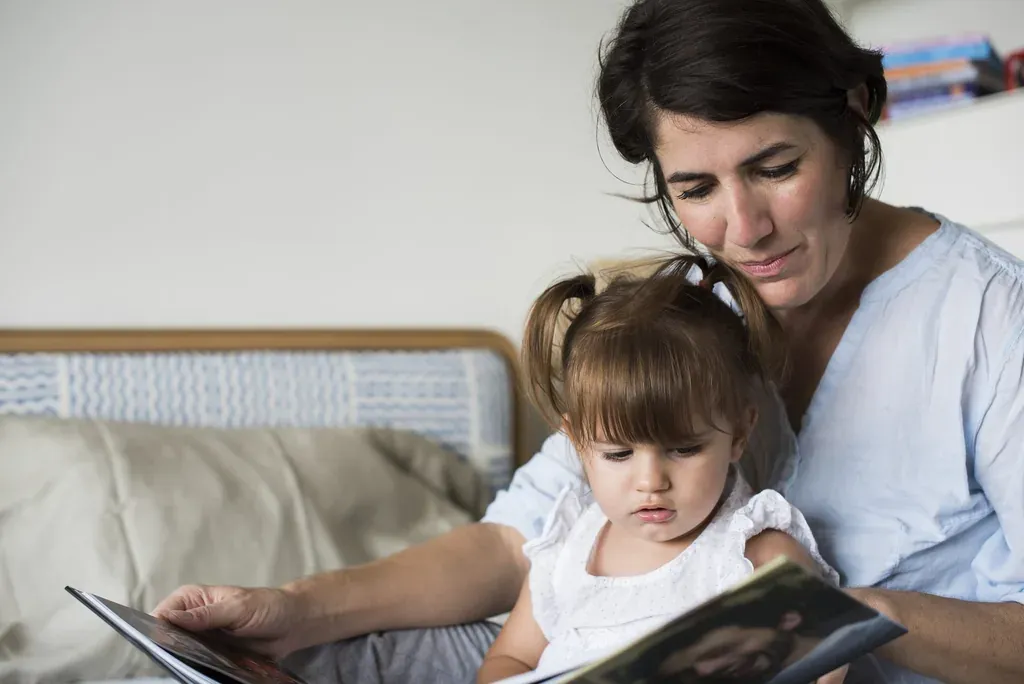
Positive parenting relies on positive reinforcement and on encouraging appropriate behaviour in the child, rather than on constraint. Kind communication, active listening, mutual understanding: here is how this approach can transform your relationship with your children.
What are the concrete benefits of positive parenting?
It fosters positive self-esteem
Acknowledging and praising children's efforts and achievements strengthens their self-esteem and their confidence. It motivates them to persevere and to develop a positive attitude towards learning and towards the challenges of life.
It strengthens the parent-child relationship
Positive communication techniques build a relationship founded on mutual respect and empathy. By listening actively and expressing support constructively, you create a harmonious family environment in which the child feels heard, understood and loved.
It encourages autonomy and responsibility
Giving a child age-appropriate responsibilities and encouraging them to make decisions helps them develop their confidence and their sense of responsibility — concrete preparation for adult life.
It develops social skills
Encouraging a child to share, to co-operate and to resolve conflicts constructively gives them valuable social skills that will serve them throughout life.
It fosters academic success
A positive learning environment, one that values effort and encourages children to take on challenges, motivates the child to succeed in their studies and builds a persevering attitude in the face of difficulty.
How do you get started with positive parenting day to day?
Develop a kind way of communicating, using encouragement and acknowledging your child's efforts. Establish positive routines, set clear boundaries, and offer choices suited to their age. To go further, our article on how to raise your child by example sets out this approach step by step, and Optimism: the key to flourishing in education carries this reflection on parental attitude further.