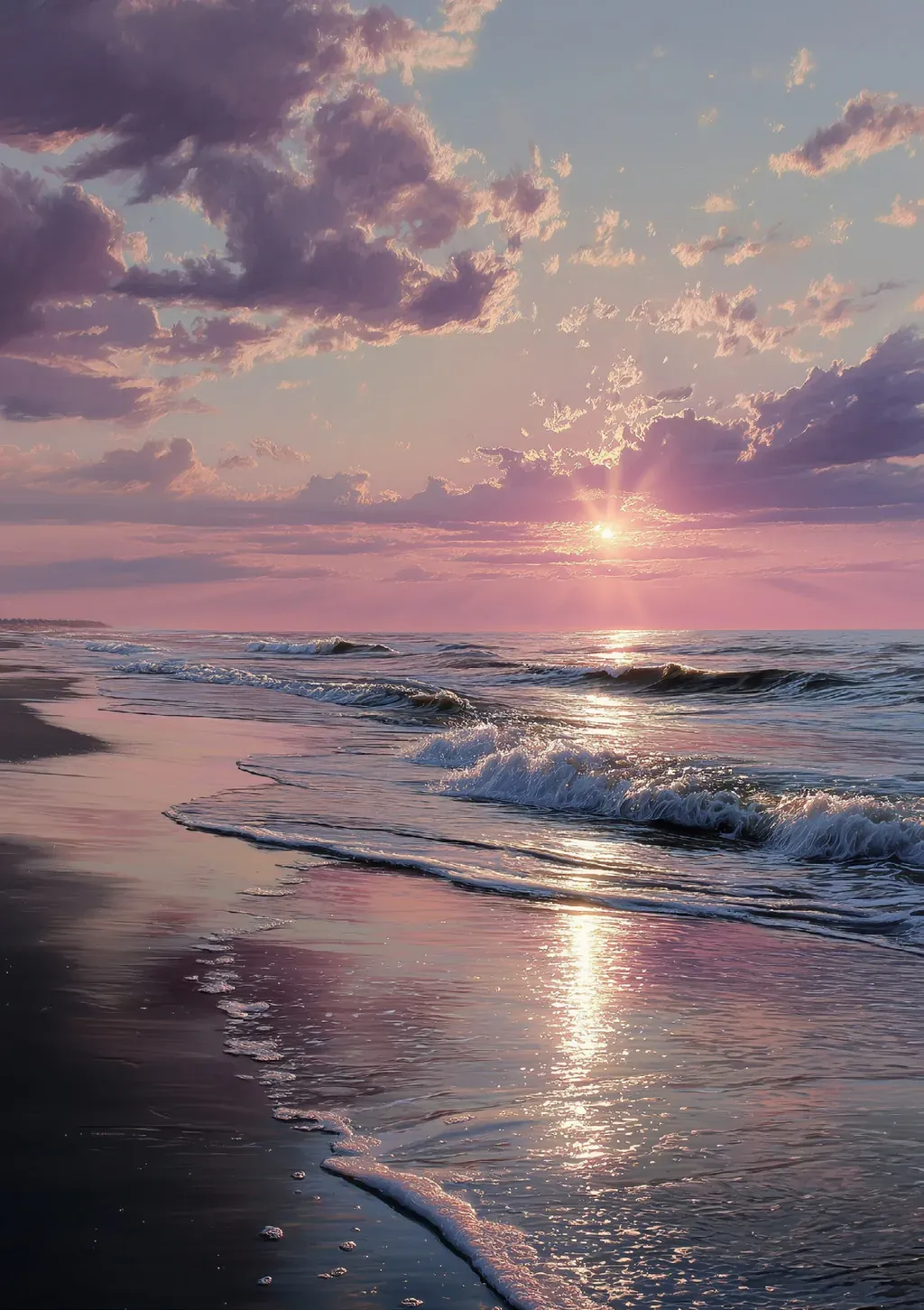
A few kilometres from Tunis, La Marsa unfurls its seafront promenade facing the Mediterranean like an invitation to slow down. This coastal town of Greater Tunis, home to some 95,000 inhabitants, stretches between the hill of Sidi Bou Saïd and the cliff of Cap Gammarth, in an exceptional setting. It embodies the Tunisian art of living: ice creams savoured along the corniche, lively cafés, refined restaurants, convivial pizzerias, modern shopping centres and upscale hotels. Heir to a past reaching back to Carthage, blending Punic memory with Hafsid palaces, it stands for many Tunisians as the very picture of the dolce vita, of elegance and refinement.
A town that lives at its own pace
La Marsa feels removed from the bustle of Greater Tunis. It moves to its own tempo, shaped by residents of many different origins. Proud and untameable, it stands for many as the very image of Mediterranean ease of living, an elegance without ostentation.
Its nostalgic atmosphere calls to mind the seaside resorts of the Mediterranean such as Cannes, Nice or Saint-Tropez. These destinations share the same generous sunshine, the same views over the sea and the same gardens where palm trees, roses and bougainvillea grow harmoniously side by side. The town stretches out towards Sidi Bou Saïd, whose cultural legacy La Sultane recounts elsewhere in the cultural heritage of Ennajma Ezzahra.
A remarkable historical heritage
From Carthage to the beys: a thousand-year history
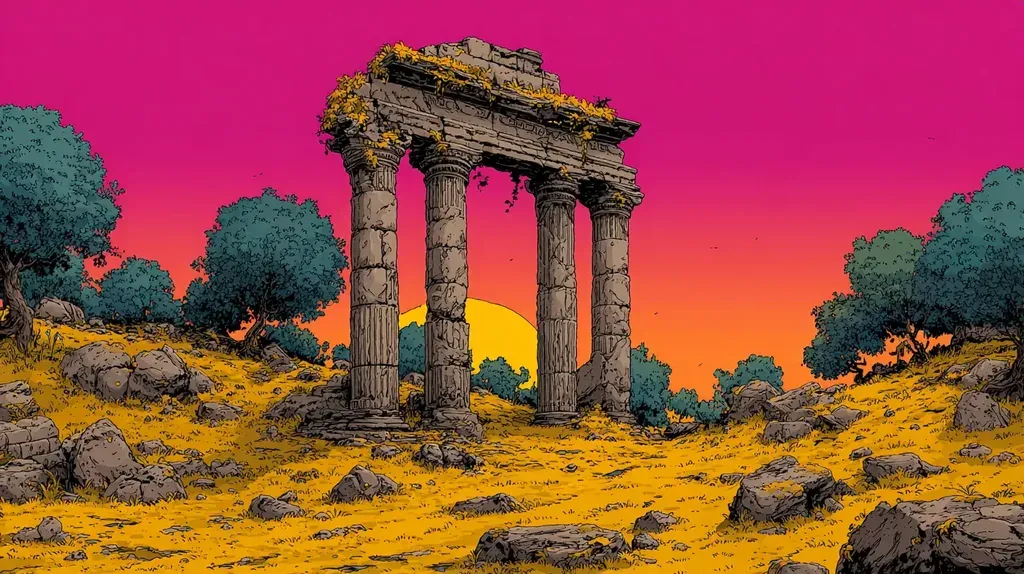
La Marsa's rich history reaches back to the Punic era. Its first settlement then belonged to the district of Megara, a suburb of the Punic city of Carthage — whose great ancient sites La Sultane explores elsewhere in the great ancient sites of Tunisia. Gustave Flaubert even sets a feast given by Hamilcar Barca here, in his celebrated novel Salammbô.
The name "Marsa", or "Mers", means a harbour or an anchorage. The bay has at times served as an anchorage — notably in 1856, for the landing of the Tunisian troops sent to Crimea. No evidence, however, confirms that an ancient port existed on this spot.
The Hafsid era and its palaces
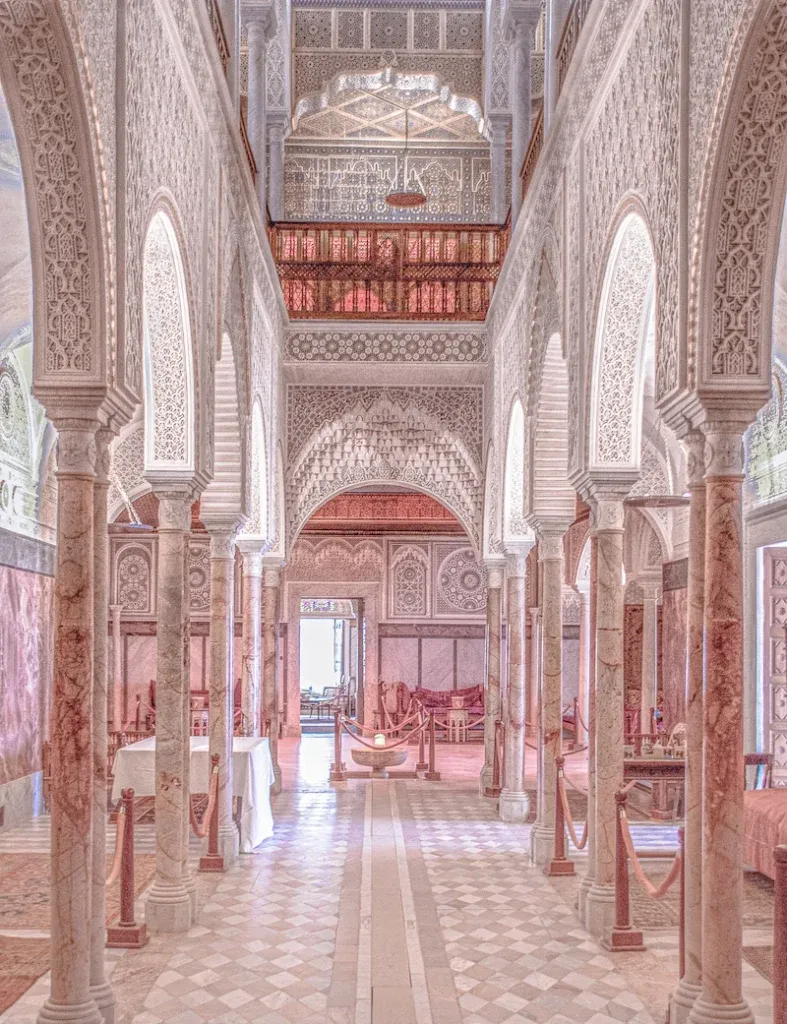
In the early 16th century, the Hafsid sovereign Abû Abd Allâh Muhammad al-Mutawakkil chose La Marsa as his summer residence. There he had three palaces built within a park set right in the town centre. Later, the Abdalliya — one of these three palaces — served as the residence of the British consuls before becoming the guest house for European visitors.
Converted into a primary school after the Second World War, this building is the sole surviving example of civil architecture from the late Hafsid Middle Ages. Its style recalls the palaces of the Alhambra in Granada.
La Marsa today: between tradition and modernity
A haunt of lovers and food lovers
The town holds a particular appeal for couples, as the high number of weddings celebrated at La Marsa's town hall attests. Food lovers find their happiness here too: crowds gather to savour the traditional bambalouni (deep-fried doughnuts), fricassés and crisps near the famous Saf-Saf café. La Marsa is also renowned for its okra, known here as "El marsaouia".
An atmosphere that shifts with the seasons
In winter, beneath the rain and grey clouds, a certain melancholy settles over the souls of those who stroll here. Summer, by contrast, transforms the atmosphere entirely: the town grows livelier and more colourful. As evening falls, visitors wander among the stalls, carried along by a soft, jasmine-scented breeze.
A favourite place to stroll
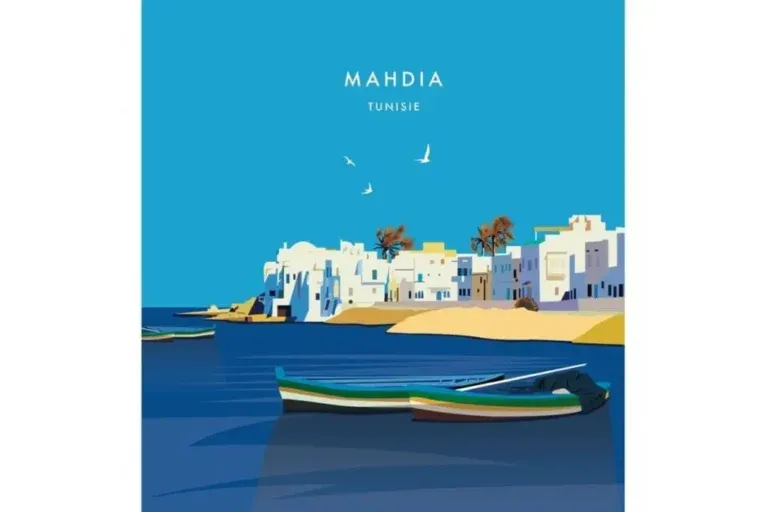
A certain social elite has made its home here for decades. That does nothing to stop the residents of Greater Tunis, from every walk of life, from making it their favourite place to stroll. La Marsa continues to fascinate with its unique charm, much like other jewels of the Tunisian coast such as the historic city of Mahdia.
Echoes of the past
Many notable figures have passed through La Marsa over the course of history and kept a wonderful memory of it. The diplomat and explorer Hassan al-Wazzan, known as Leo Africanus, was quite literally captivated by it. This great merchant and traveller described it as "a small ancient town on the seashore where the port of Carthage stood", "inhabited by fishermen, farmers and launderers of cloth", where "the king is accustomed to spend the summer".