Since 2011, traditional Tunisian identity and the desire to embrace a certain modernity seem to have found a way to be reconciled. The proof: the "Made in Tunisia" claimed by the young fashion designers and stylists of the new generation, who have thrown themselves into making outfits and accessories that combine the traditional and the modern.
Since the revolution, young Tunisian stylists and designers have made a name for themselves on the ready-to-wear market with products bearing a 100% Tunisian stamp, inspired by the national heritage and made in small workshops — a way of reasserting the value of the country's cultural identity and history.
Moving Made in Tunisia towards a new identity
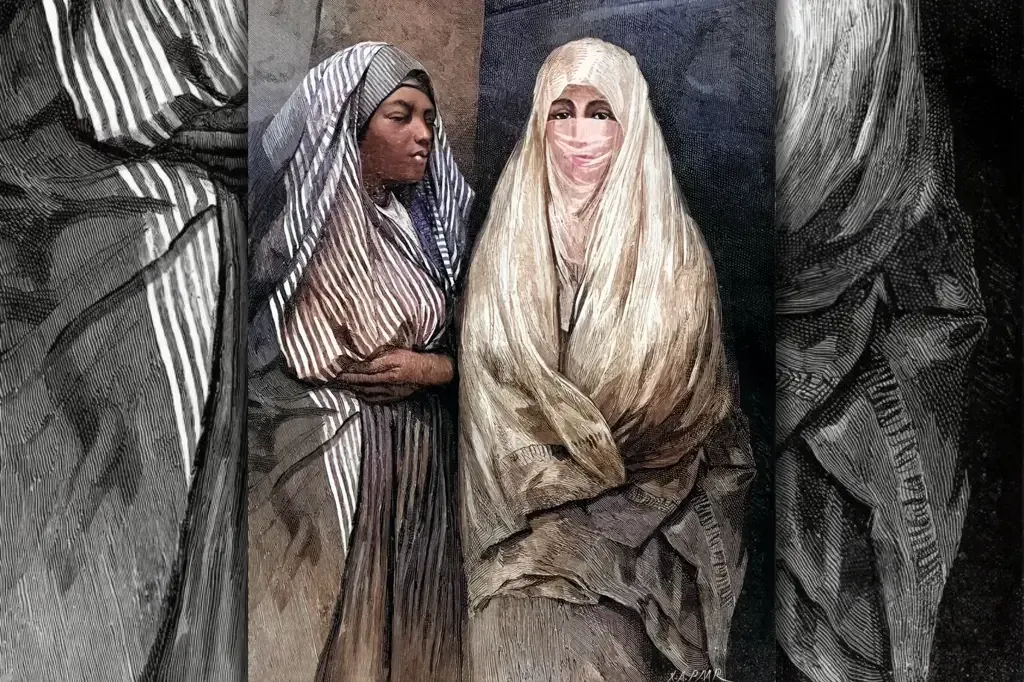
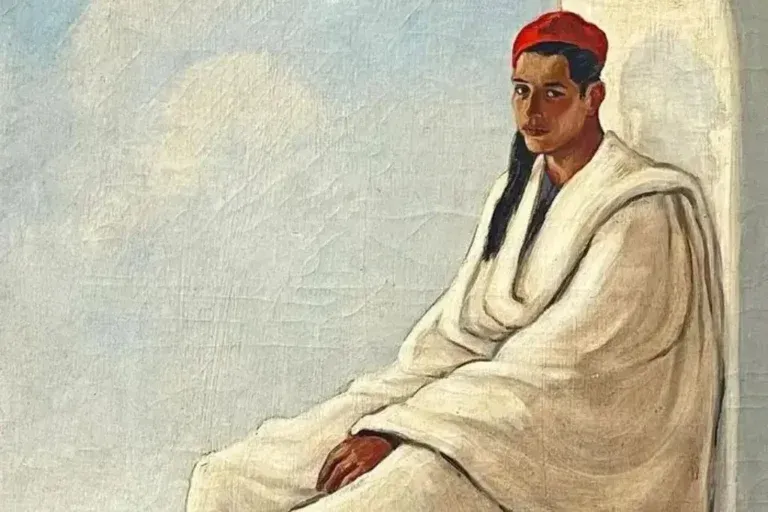
While the country moves towards modernity, Tunisian dress identity long remained attached to the traditional. Since the Jasmine Revolution, the gap has narrowed, with stylists launching into outfits that combine the two.
Such is the case with the label Mademoiselle Hecy, launched in 2013 by designers Hend Guesmi and Cyrine Faillon, at its third appearance at Tunis fashion week. Graduates of a fashion school in the capital, they create modern outfits inspired by the traditional without tipping into the baroque, betting on daywear and eveningwear alike in an elegant, relaxed style.
The trend enjoys strong support on social media: a new generation of bloggers and groups of artists is teaming up with designers to renew it, like the blogger Fethia Sabrina Farhani, known as Vita Luna Spirit, who shares her cultural discoveries to show the authentic side of Tunisia.
Made in Tunisia: the new economic seam
Five years ago, some designers chose purely local production, a gamble that proved worthwhile, particularly set against the difficulties of the country's tourism and farming activities. The energy of this sector shows that it is more important than ever to innovate and to show creativity.
The Franco-Tunisian couple Sofiane and Claire Ben Chaabane, founders of the ready-to-wear label Lyoum, are developing their business between Paris and Tunis, with a blended style of refined Mediterranean influences. Each collection offers one look per day: "Lazy Sunday" on Sundays, "Un lundi au soleil", "Le mardi c'est permis". In its early days, the label made its name with its children's line, sold in a boutique-restaurant, before rolling out two shops for adults and children as well as an online store.
The 2016 collection blends Tunisian, Eastern and Western musical and culinary fusion: "Oum Kalthoum loved macarons", "Gainsbourg loved Mechouia", in rock and pastel tones. All Lyoum production takes place in Tunisia, in six workshops that agreed to produce locally and in small quantities — an awkward path in a Tunisian ready-to-wear market rather geared towards export and industrialisation.
Made in Tunisia: a trend for every taste
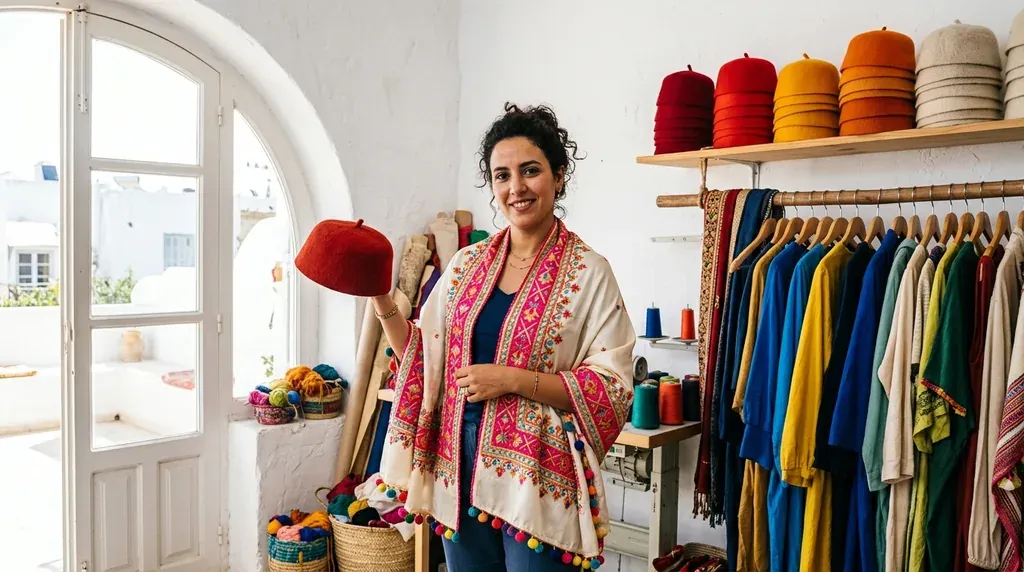
Latifa Hizem, creator of the label Ashkan, takes a favourable view of the arrival of this trend, which in her eyes would make it possible to revive and carry on old know-how and local heritage. Driven by her passion for craft, she has criss-crossed the country to find artisans ready to join their know-how to more modern designs: clothing, accessories, slippers, decoration and scents thus enrich the Ashkan collections.
Made in Tunisia: fierce competition
Others have gone further into artisanal creation, like the jewellery designer Sara Jomaa, self-employed for the past eight years in the southern suburbs of Tunis. She draws her inspiration from the antique jewellery of Mahdia, but also from Africa and Asia, marrying modernism and tradition through old techniques such as filigree and saw piercing.
Some jewellery pieces require up to a year of work, between drawing, design and finishing, which can explain their price in the eyes of uninformed customers. Sara sources the beads for certain necklaces in her own region of Mahdia, on the east coast, and for other pieces draws on traditional calligraphy, adding "chichkane" or diamond chips.
Measuring this economy precisely remains difficult, resting as it does on online sales, showrooms and small-quantity production. The rise of these young labels based in Tunis reveals their creators' determination to democratise fashion, appealing to young women from smart neighbourhoods as much as to those in more conservative dress. The proliferation of Facebook groups devoted to promoting "Made in Tunisia" confirms a promising trend.
From ready-to-wear to jewellery, a whole generation of Tunisian designers is making local heritage its raw material, rather than a mere marketing argument.