Summer is over, and with it the far niente that filled the days. September brings a brisker pace, and one subject that comes back every year: exercise. How do you stay motivated? What should you eat? Here is where things stand.
Why start moving again in September
Exercise is said to cut straight through autumn and winter fatigue, which counts for more when the days are largely sedentary. Ten minutes of yoga or stretching to open the day would already be enough to feel the difference: you listen to your body better, and you learn where its limits sit.
The pleasure hormones released during exercise are said to lift mood and general wellbeing. Exercise is also credited with regulating blood sugar better, lowering the risk of cardiovascular disease, supporting the immune system and slowing cellular ageing.
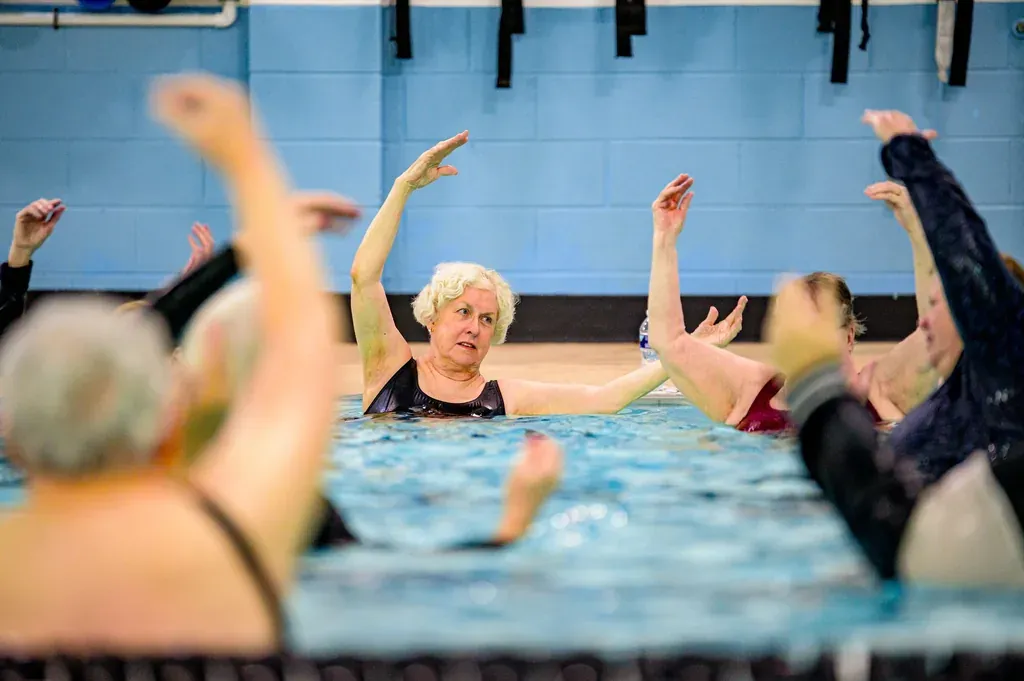
If your diary will not stretch to a gym, the most sociable option, 30 minutes a day at home is already enough. Plenty of online videos offer sessions to match, on your own or as a challenge with friends.
What to eat before and after a session
If the week leaves you no window, training first thing remains a good option. Take a large glass of water, lemon if you can, and a compote, a piece of fruit or a handful of dried fruit before the session, then a full breakfast once the effort is over, so that you are not digesting mid-workout.
A midday session breaks the day up nicely. Have a light snack 30 minutes before — fruit, dried fruit, crispbread — then a lunch prepared in advance, a sandwich or a salad with fruit or yoghurt to follow. The same logic holds for an evening session, with one extra guard: evening hunger reaches for fat and sugar, and a healthy, balanced dinner serves you better. Whatever the hour, drink at room temperature, before and after the effort.
The mistakes to avoid when you start again
| Mistake | Why avoid it |
|---|---|
| The strict diet | Cutting out whole food groups starves the body of its energy sources (pulses, starches, fish, eggs, meat, oils) |
| Giving up every treat | Banning all pleasure at the table is a common reason people quit |
| Compensating | Believing that exercise “erases” what you ate generally does not hold |
| Cutting out fat | Better to limit animal fats than to eliminate them, favouring vegetable oils |
| Too much protein | Useful for muscle repair, but pointless in excess unless the aim is to gain weight |
| Not drinking enough | Drink before, during and after the effort, in small sips |
| Eating the same thing | A varied diet limits deficiencies |
How to keep a sporting resolution going
The hardest part is staying motivated at the start. Pick a programme you genuinely enjoy, set targets you can actually reach, and give the results time to show. Doing it with friends helps you go the distance too — and gives you someone to laugh with about the next day’s aches.