Snacking, so comforting through the long days of winter, remains one of the worst enemies of a balanced diet: instant pleasure, and damage to the figure and to health that is sometimes past repair. Here are a few simple ways to tame it day to day.
Water, the first ally against snacking
Nutritionists keep saying it: drink at least 1.5 litres of water a day. It does the body good and the mind too — it flushes out toxins and helps nutrients put the energy they carry to good use. Rather than reaching for biscuits or chocolate, sip slowly: the stomach fills gradually and the full feeling arrives. A glass of water before every meal helps you eat less and slim down.
Breakfast, the meal never to skip
It is the most important meal of the day. After the night’s fast it needs to be a full one, to carry the energy the day asks for, to fight physical and mental tiredness and to head off hypoglycaemic dips. Wholemeal bread, low on the glycaemic index and rich in fibre, fills you quickly and keeps snacking down through the day.
Eat slowly, and at set times
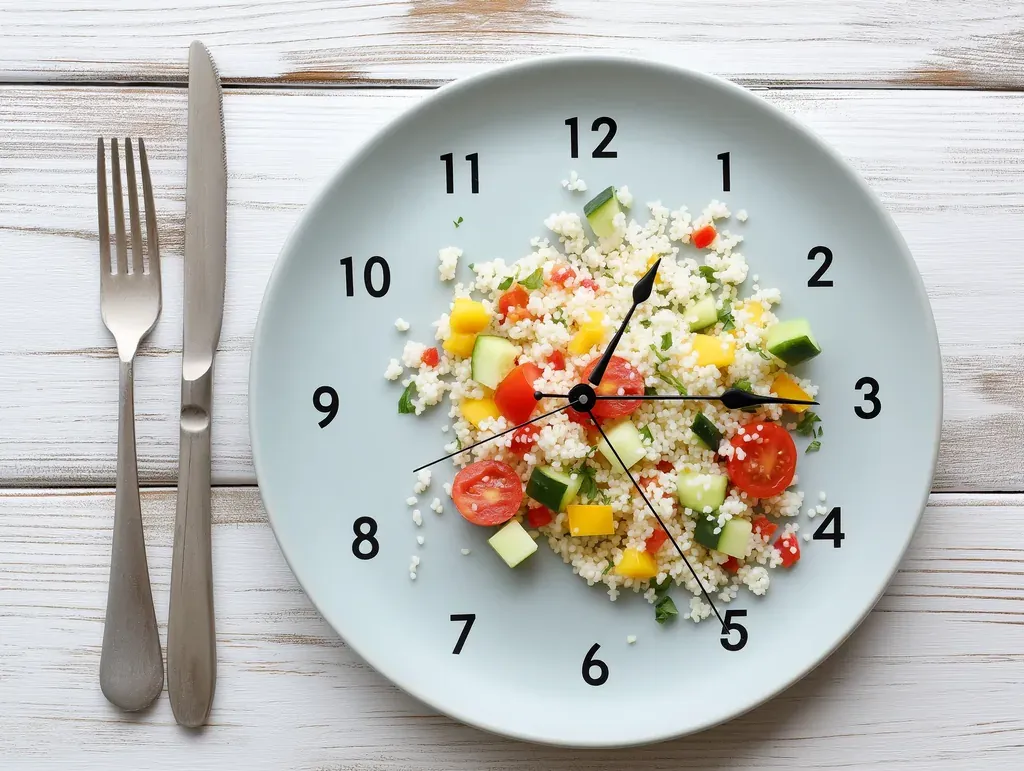
Eating too fast means swallowing more air, which raises the risk of bloating, poor digestion and stomach pain. Take smaller mouthfuls and chew each one for at least a minute: fullness arrives sooner. Eating at set times is another useful habit — specialists recommend a meal roughly every 4 hours, which keeps insulin spikes and weight gain down. Something light around 4 p.m. (fruit, dairy) stops you falling on the food at dinner.
Green tea, an ally you can’t do without
Known for its antioxidant properties, thanks to its polyphenol content, green tea is said to protect against cardiovascular and degenerative diseases. It is also a fat burner and a natural diuretic with a reputation for satisfying hunger. For a good brew, let a handful of green tea steep for 3 to 5 minutes in water just off the boil, and drink it in small sips.
Go for a low glycaemic index, and for fibre
A food high on the glycaemic index pushes the body to secrete more insulin, and the surplus glucose gets stored as fat. A low index, by contrast, slows the release of glucose and pushes hunger further away. A practical trick: the slower the cooking, the lower the glycaemic index tends to be. Fibre — in lamb’s lettuce, apples, aubergine — belongs at the start of a meal: insoluble fibre helps digestion along, soluble fibre regulates blood sugar and cholesterol.
Oat bran, often forgotten, also regulates blood sugar and cholesterol (no more than 3 tablespoons a day), while agar-agar — a natural gelling agent drawn from red seaweed, very high in fibre and low in calories — has a reputation for filling you up and burning fat (keep to 4 g a day). And a lemon squeezed each morning into a glass of warm water has long been linked with less hunger and a lift in energy.