Well-being comes through rest, but also through the effort of regular physical activity — sport, gardening, doing the vacuuming or cleaning the windows. People in sedentary jobs absolutely must compensate with enough physical activity to stay in good health. Dance, yoga, swimming or aquagym: here is how to choose your own.
Why move every day?
Spending seven hours in front of a computer deprives the body of properly calling on certain muscles and certain functions (energy expenditure, heart rate, breathing). Many studies have shown the need to practise at least thirty minutes of physical exercise a day in order to stay fit and in good health for as long as possible.
| Benefit | Explanation |
|---|---|
| Heart and lungs | Fights respiratory and cardiovascular disorders, better oxygenation |
| Brain | Better oxygenation of the brain, resistance to memory disorders, Alzheimer's or Parkinson's |
| Weight and immunity | Prevention of excess weight, strengthening of the immune system |
| Stress and sleep | Release of endorphins, better resistance to stress and anxiety, fewer sleep disorders |
Regularly releasing the stress and adrenaline that build up prevents them from causing heavier disorders (migraines, ulcers, insomnia, depression). There is no need to run a marathon for it to count: Eastern gymnastics such as yoga or tai chi chuan get the body moving gently. Walking briskly for half an hour, swimming, going up and down the stairs, gardening or fishing count just as much. Sport also improves psychological faculties: motivation, pushing past your own limits, stress management, team spirit.
Dance, between physical and emotional balance
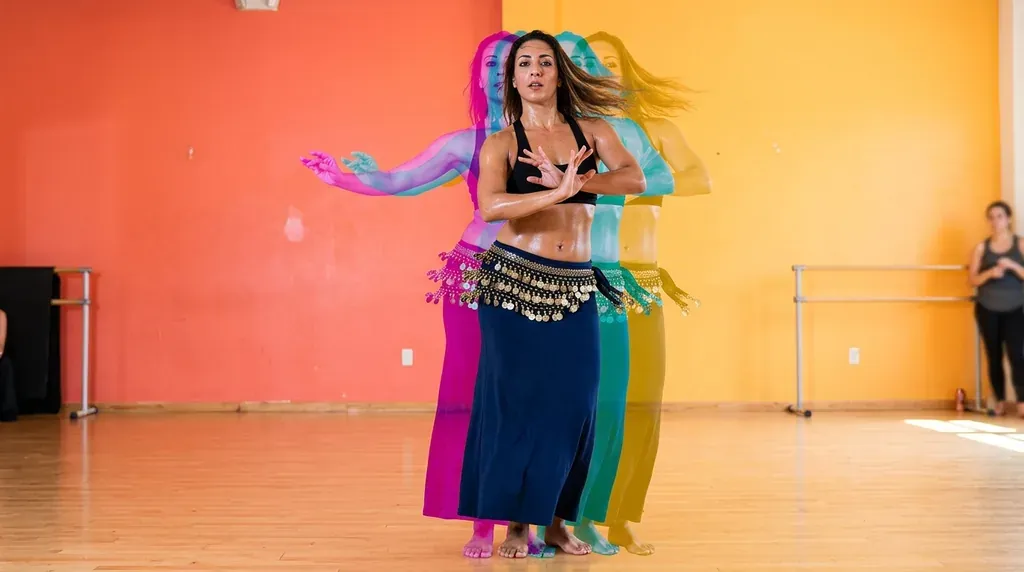
Oriental dance (Tunisian-ness obliges), classical, modern, ballroom dances such as the waltz, or Latin dances: each one develops the body harmoniously, improves the synchronisation of movements and the breathing. Dance relaxes, develops the memory (learning choreographies) and coordination. You can take it up at the gym or through online classes — two sessions a week are advised in order to progress quickly.
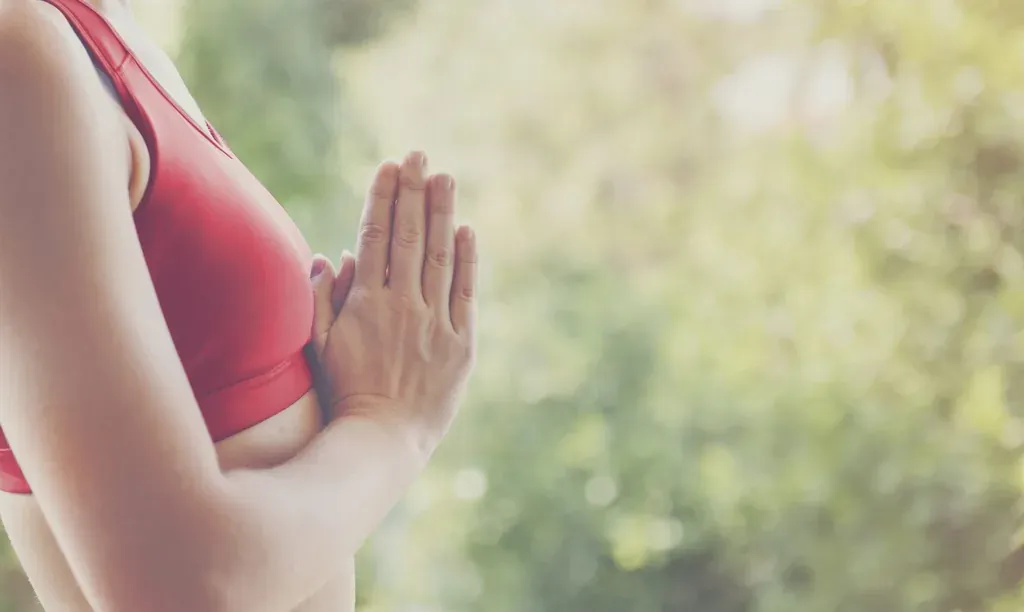
Yoga and Eastern gymnastics
The regular practice of Eastern gymnastics (such as tai chi chuan), of yoga and of relaxation, combined with healthy nutrition and enough sleep, soothes nervous and muscular tensions and helps to work gently on the body-mind balance. Still not very widespread in Tunisia despite their success in the West, they are easily learned via the internet where no dedicated studio exists.
Qi gong and tai chi chuan are the best-known Eastern gymnastics. Tai chi chuan officially comprises 24 movements: linking them together requires, at the beginning, sessions of 30 to 40 minutes, reduced to 10 minutes once they have been memorised. Qi gong, a Chinese form of gymnastics, is preferably practised in the morning in the open air.
Yoga, which originates in India, is neither entirely a sport nor a philosophy, but a state of mind founded on a simple truth: a healthy mind goes hand in hand with a healthy body. Based on Patanjali's Yoga Sutra, it combines precise postures (asanas) and synchronised breathing. It is practised in comfortable clothing, barefoot, on a mat. The Hatha Yoga method is the best known, but other currents exist (Yoga Nidra, Kundalini yoga, Kashmir Shaivism). A one-hour session a week, practised assiduously, improves physical and mental health, serenity, stress management, suppleness, sleep and respiratory and cardiovascular capacities.
Antigymnastique®
Invented in 1970 by Thérèse Bertherat, Antigymnastique® helps to shed muscular tensions by developing areas of the body little called upon by traditional gymnastics (the muscles of the eyes, of the foot, of the toes). Psychotherapeutic in purpose, it is regarded as an alternative medicine. Having become a registered trademark in 2005, it can only be taught by a practitioner holding a licence certificate.
Water sports
Swimming
A complete sport recommended by the medical profession, swimming sculpts the body harmoniously, works the breath, strengthens the muscles of the back, relaxes and tones. It drives away nervous and physical fatigue, improves blood circulation, regulates the cardiovascular system, reduces anxiety, helps with slimming, develops endurance and improves self-esteem. Short sessions (15 to 30 minutes), two to three times a week, are enough. It comes in four main strokes: breaststroke, front crawl, backstroke and butterfly.
Aquagym
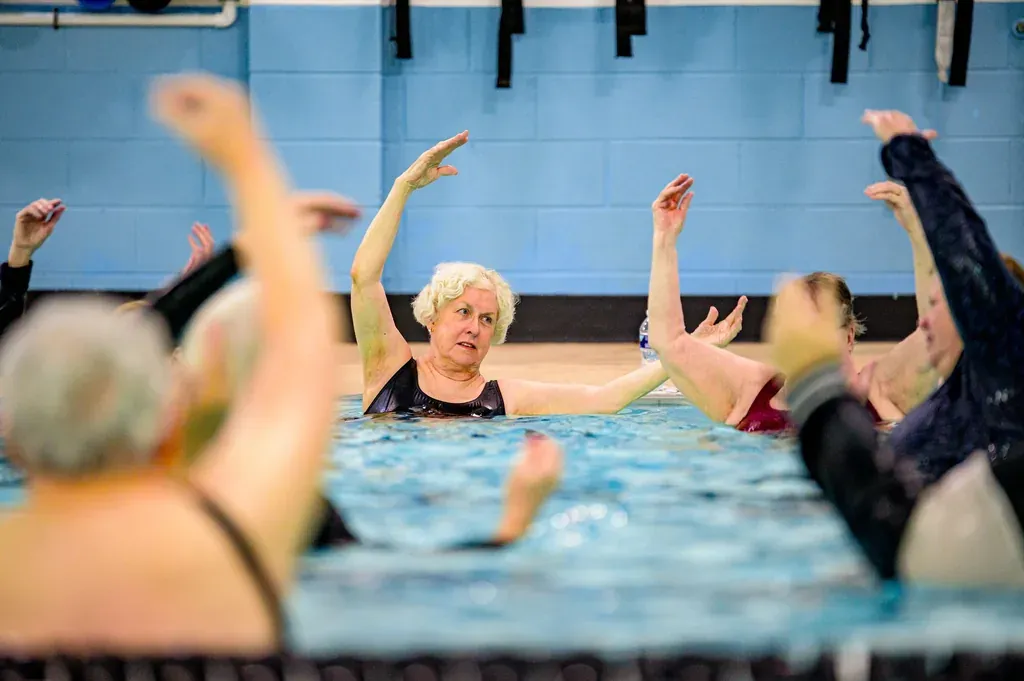
Practised in a shallow basin or a swimming pool, with no distinction of age, aquagym works all the muscles of the body gently and supplely, while improving stamina.
Thirty minutes of physical activity a day are enough to reduce stress lastingly, improve sleep and protect the heart as well as the brain.