The second part of our series on winter fatigue: sleep and physical activity, two pillars too often neglected in winter. Here's how to sleep better and move enough to keep your energy up despite the cold.
Good Sleep
Good lifestyle habits are essential to real relaxation. Physical activity needs to be combined with a healthy, balanced diet, while also making sure sleep quality is good — during the day for those who nap, or at night as usual. But achieving good sleep quality isn't always easy. Here are a few ways to get there.
Physical rest relaxes the muscles, slows the heart rate, calms the mind, and helps fight anxiety. There are a number of simple rules you can follow to prepare for sleep and wake up feeling great the next morning.
First, you need to find your ideal amount of sleep, which varies from person to person depending on individual needs: some people need six hours of sleep, others need eight. Next, it's important to get the best bedding possible — mattress, pillows, dimmed lighting in a bedroom that's quiet enough, well-ventilated, neither too hot nor too cold. Don't neglect your diet or physical activity either. Avoid heavy dinners: save the hearty meals for lunchtime.
After 4 p.m., avoid stimulants (energy drinks, tea, coffee) and cut back on cigarettes or alcohol in the evening. At the end of the day, go for a walk, hit the gym, or swim to unwind; and if, despite everything, you still can't set your worries aside, try some breathing exercises, relaxation techniques, or meditation.
Move, Move!
Well-being also comes from the effort of regular physical activity (sport, gardening, housework). People with sedentary jobs absolutely must get enough physical activity to stay healthy: spending seven hours in front of a computer means certain muscles and bodily functions (energy expenditure, heart rate, breathing) go unused.
Numerous studies have shown the absolute necessity of exercising for at least thirty minutes a day to stay fit. Physical activity helps fight respiratory and cardiovascular disorders and promotes better oxygenation of the body — and brain oxygenation is essential for resisting memory problems as well as diseases like Alzheimer's or Parkinson's.
Exercise also helps avoid weight problems, strengthens the immune system, improves resistance to stress, and reduces sleep disturbances. To preserve physical and mental well-being, it's therefore worth regularly releasing stress — otherwise it risks turning into bigger problems (migraines, ulcers, insomnia, depression).
You don't have to run yourself ragged for it to count: Eastern-style gymnastics let you move gently, as do brisk walking, swimming, aqua aerobics, gardening, fishing, or even isometric exercises (working out wherever you are, at your desk or in front of the TV).
Beyond its physical benefits, exercise improves psychological and behavioral traits: motivation, self-improvement, stress management, team spirit, group cohesion. Physical exercise tones the muscles harmoniously, releases toxins through sweat and breathing, keeps joints healthy, and regulates both sleep and appetite.
Dance
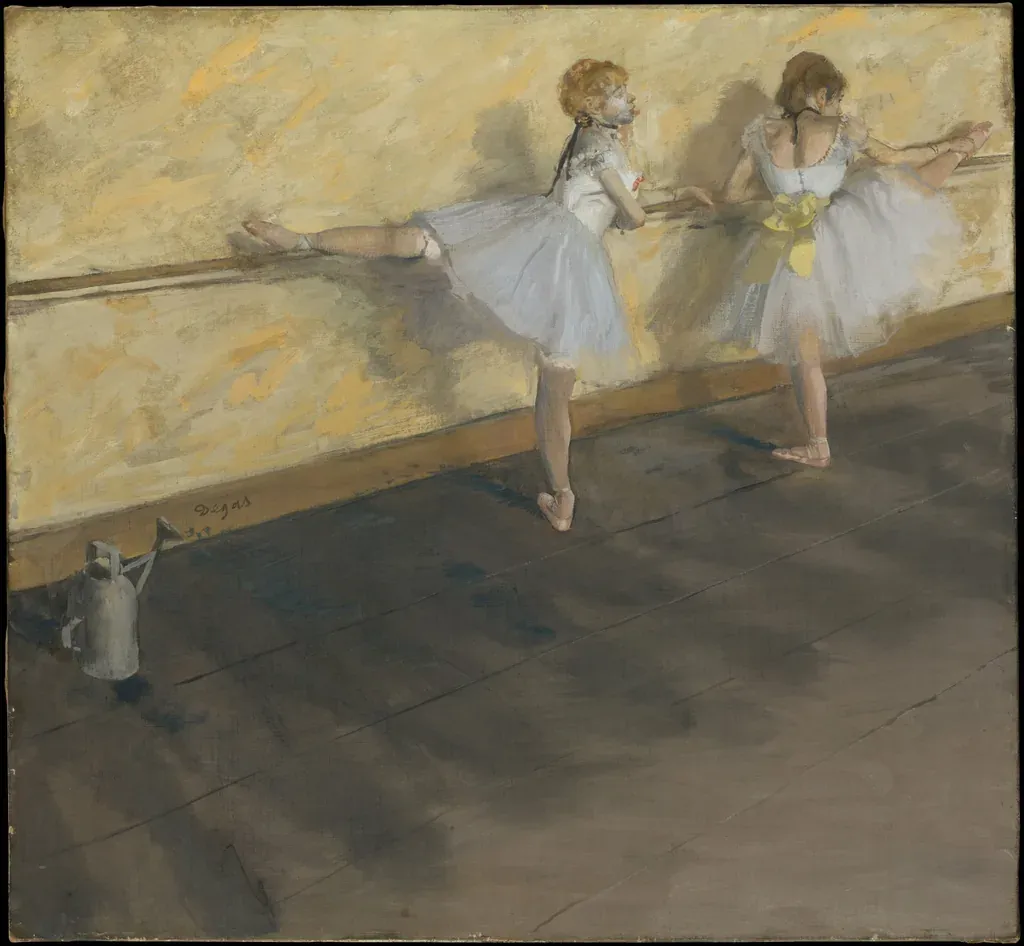
If you're looking for an activity that combines physical and emotional balance, dance is for you: Oriental dance, Latin dance, or modern dance. Each one develops the body harmoniously, improves movement coordination, and enhances breathing. Through dance, you relax, build your memory by learning choreography, and improve your coordination.
Yoga
Regularly practicing yoga and relaxation techniques (such as tai chi or qigong), combined with healthy nutrition and enough sleep, eases nervous and muscular tension, teaches self-control, and gently works on the body-mind balance. Results come with consistency: better breath quality, sharper concentration, and a greater ease at staying calm.
Originally from India, yoga is neither quite a sport nor a philosophy, but a state of mind built on a simple truth: a healthy mind goes hand in hand with a healthy body. It's based on Patanjali's text known as the Yoga Sutras, and combines precise postures (asanas) with breathing synchronized to movement. It's practiced in comfortable clothing, barefoot, on a mat.
While Hatha Yoga is the best known, other forms exist (Yoga Nidra, Kundalini yoga, Kashmir Shaivism) and each balances the body's different energies in its own way — plan for at least one hour-long session per week. Its benefits show up in physical and mental health, greater serenity, better stress management, improved muscular and joint flexibility, and better sleep quality along with respiratory and cardiovascular capacity.
Written by: B. Zine El Zine