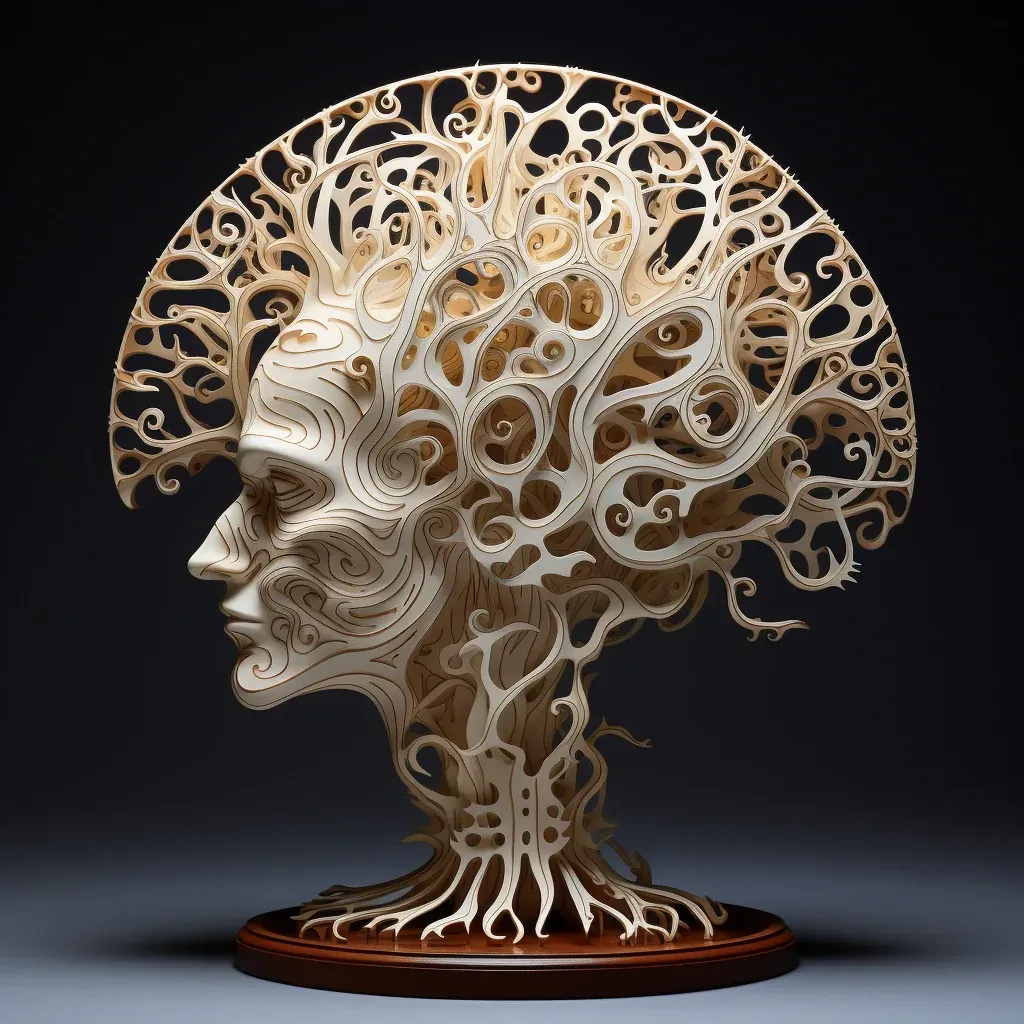
Losing focus means closing an inner door that neuroscience can pinpoint precisely: according to researcher Jean-Philippe Lachaux, magnet-like neurons lodged in the amygdalae pull us towards threat or pleasure. For Nir Eyal, this distraction never comes from the screen itself, but from an inner discomfort it is trying to soothe.
What happens inside your head when you lose focus?
Blaming it for existing, he argues, would be like blaming a pedometer for making us climb too many stairs.
Neuroscientist Jean-Philippe Lachaux compares attention to a door inside the brain itself. When you open it, you gain access to the regions that let you understand, learn, act well and react well. When it shuts, that access shuts with it: this is the condition behind everything you do accurately.
Why does this door close without our choosing it? Lachaux points to neurons he calls magnet neurons: they pull you towards whatever threatens you or whatever brings pleasure, whether it’s a real event or a mere thought. He locates them in the amygdalae, those two small brain structures. Understanding that they exist is already a way of taking back some control over the door.
Why isn’t distraction the screen’s fault?
Nir Eyal draws a line between traction (action aligned with what we actually wanted to do) and distraction, which pulls us away from it. In his view, both take root in the same triggers, whether internal, such as boredom or anxiety, or external. The screen is therefore never the root cause: it is merely the stage where this mechanism plays out.
Eyal takes it further: television, social media or sweets are only the apparent causes of distraction. He argues that blaming them for existing would be like blaming a pedometer for making us climb too many stairs. Managing your time, then, means managing a discomfort: distraction becomes the brain's way of escaping unease.
How do you respond without obeying the urge?
Faced with a distraction, Jean-Philippe Lachaux offers a simple rule, aimed at our most reactive neurons, the ones he calls attention magnets: “SLOW DOWN.” These neurons flag something worth noticing, but nothing obliges us to obey them: they don’t get to decide for us. Slowing down means giving yourself time to choose, rather than simply reacting.
Nir Eyal suggests a comparable move, borrowed from psychologist Jonathan Bricker: staying with the sensation of the urge before acting on it, letting it rise and then fall, without trying to smother it or give in to it straight away. Attention then becomes a choice you observe, rather than a reflex you simply endure.
Attention: a resource you choose, rather than a muscle you either have or don’t
Lachaux describes the mental screen and the inner voice as the tools of working memory, the capacity that holds onto an image, an idea or a sound for mere seconds after it has passed. Seen this way, losing focus isn't a lack of willpower: it's the moment when this small inner stage opens up to something other than what you meant to keep there.
A condensed summary of Focus reports that Daniel Goleman compares attention to a muscle, a limited resource just like time or money, to be spent with intention. Eyal proposes another route: turning your values into time, by giving them a precise place in your schedule, because a value that guides you without a place of its own remains an intention that goes nowhere. The choice, then, lies in how you organise your hours.
Opening the door, resisting the pull of magnet neurons, staying for a moment with the urge before giving in to it: none of these gestures calls for a special gift, you can practise them, get them wrong, and try again. Attention is therefore not a quality you either have or don't, but a decision you make, several times a day, in the face of every pull on it. Recognising it as such already changes how you respond: you no longer simply endure distraction, you choose, moment by moment, what you open the door to, and what you don't.
Also on La Sultane
Enneagram: self-knowledge and understanding others