Salting, drying, smoking, marinating: age-old preservation methods give food a distinctive flavour — a fact that explains their revival. This know-how, passed down from generation to generation, keeps meats, fish, fruits and vegetables while lending them a flavour often linked to glutamate, naturally present in foods such as parmesan or sun-dried tomatoes. This flavour — the fifth on the human palate, neither sweet, nor salty, nor bitter, nor sour — was named "umami" by the Japanese, and has always had its place in the world's kitchens.
What are the ancestral methods of preserving food?
Several preservation methods have stood the test of time:
Salting
Salting, whether full as with cod or partial as with gravlax, remains an effective method. Light salting, however, alters the flavour and texture of the food without necessarily extending its shelf life. Regarded as the universal preservation method, it is still practised, especially in areas where using a refrigerator proves difficult. The technique promotes the drying of food through a process of osmosis that draws water out of the cells, thereby inhibiting decomposition. As a result, the food stays preserved.
Drying
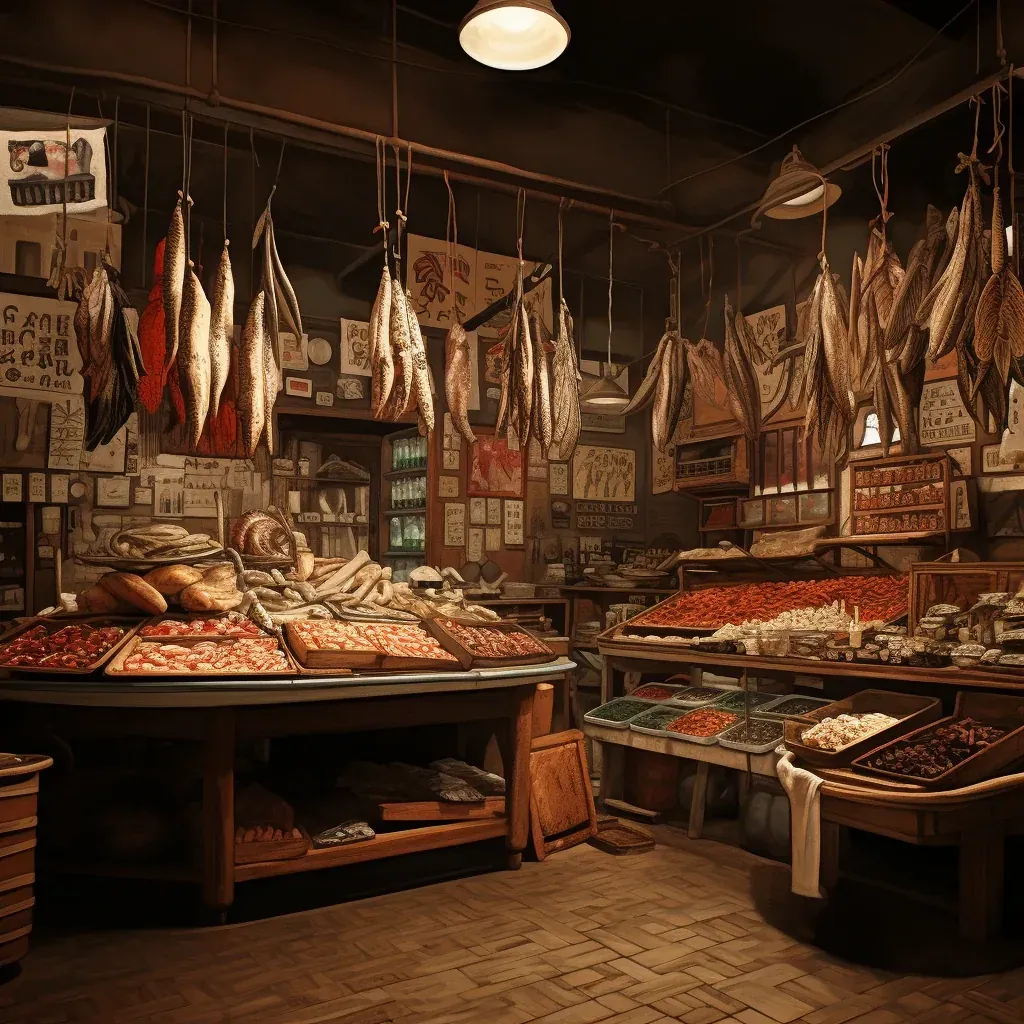
This method comes in several forms: in the air, in the sun, in the wind or even buried in sand. Drying proves to be a universal technique for preserving food. Through cross-cultural exchange, different civilizations have refined their methods. Drying techniques are generally combined with salting. After being salted, marinated and spiced, foods are hung up to dry, then smoked, grilled, cooked and savoured. Drying time varies depending on the food. For instance, did you know that in some regions of Africa, open-air fish drying has been a common practice for centuries?
Smoking
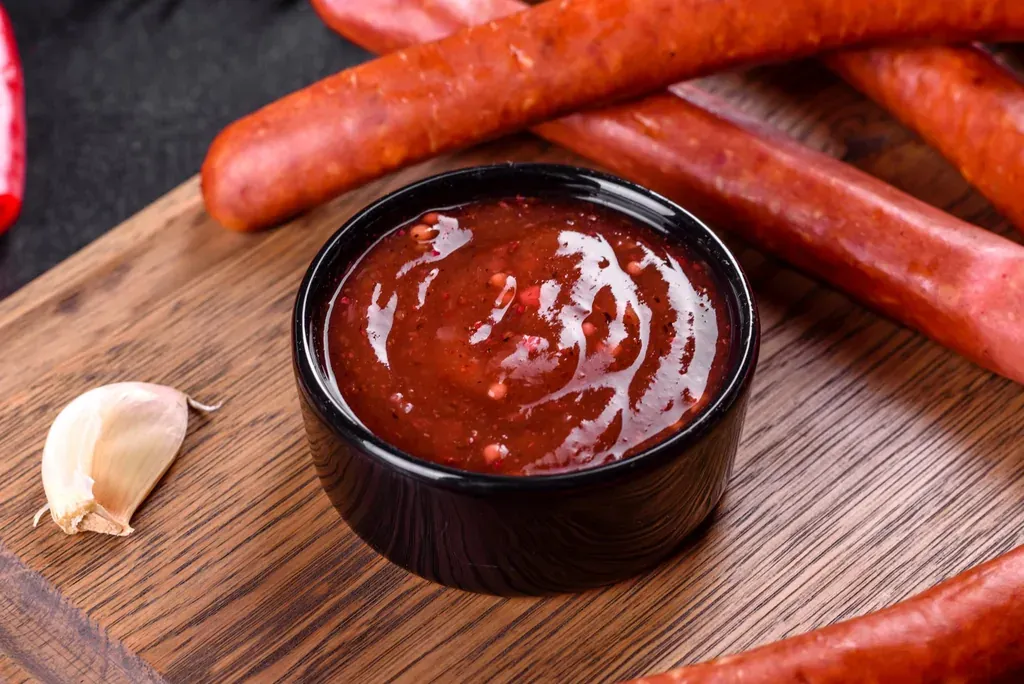
This method involves three main stages: salting, drying and the smoking itself. It consists of preserving fresh food by hanging it, after salting, over a fire, often overnight. The smoke soaks the flesh with a deposit that acts as an antiseptic. Combined with the salt absorbed beforehand, this deposit prevents the growth of the bacteria responsible for spoilage. Though traditional smoking is rare today, it is still used to flavour food. For those without access to a smokehouse, one can be improvised with common kitchen utensils, such as a couscoussier (couscous steamer) or a wok, for hot smoking.
Spices and marinades
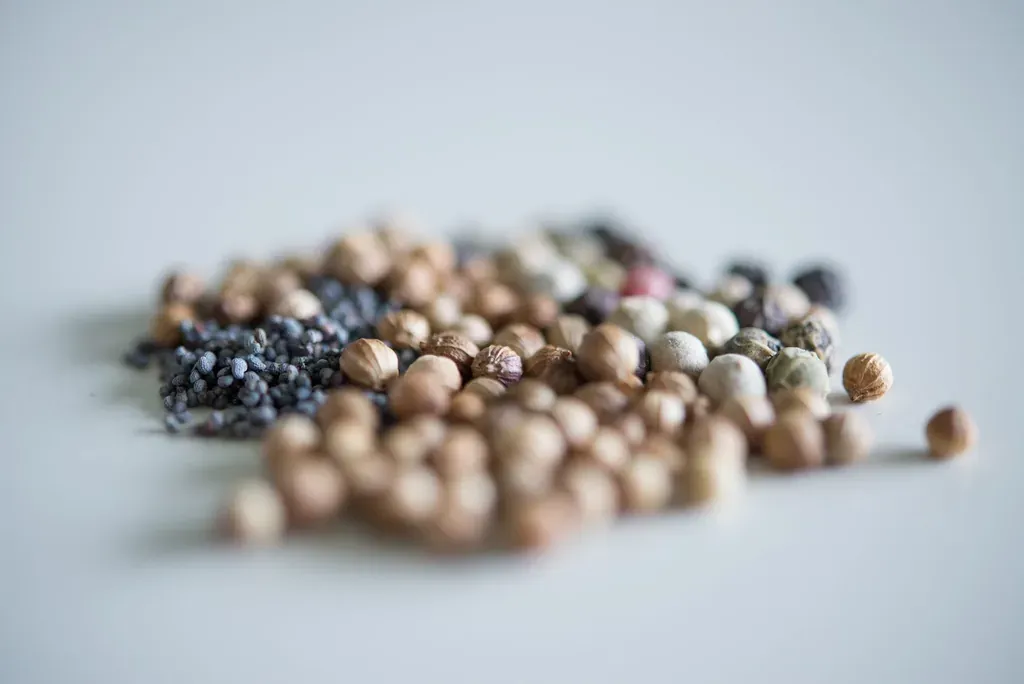
In the past, spices were used mainly to preserve food. Despite their high cost, their antiseptic, preserving power made them essential. Today, we use spices to enhance our dishes. Aromatic herbs and spices can also be used dry. Meats, fish and poultry coated in spice blends are then weighted down and marinated for hours, or even days or weeks. Once marinated, they are ready to be roasted, smoked, cooked or even eaten as they are. It is worth noting that marinating time depends on the type of food. For example, tender flesh, such as game, fish or poultry, does not require a long marinade. For tender, juicy meat, opt for marinades based on vinegar, cider, lemon, wine, beer or yoghurt. Aromatic herbs and spices bring out their flavour. Discover our detailed traditional marinade recipes.
Summary table of preservation methods
| Method | Principle | Duration / use |
|---|---|---|
| Salting | Draws water out of the cells through osmosis; inhibits decomposition | Universal method, especially useful without a refrigerator |
| Drying | In the air, in the sun, in the wind or buried in sand; often combined with salting | Duration varies depending on the food |
| Smoking | Salting, then drying, then exposure to smoke, which acts as an antiseptic | Hung over a fire, often overnight |
| Spices and marinades | Antiseptic and aromatic power of spices; marinades based on vinegar, cider, lemon, wine, beer or yoghurt | From a few hours to several weeks depending on the food |
Food preservation is an art that combines science and tradition. Ancestral methods not only keep food, but also give it unique flavours. Sharing this knowledge is essential to preserving these techniques and passing them on to future generations. If you found this article useful or interesting, do share it with your friends and family!