Cooking over fire has fascinated us since the dawn of time. Our ancestors discovered this revolutionary technique, which transforms food and reveals its authentic flavours. Today this ancestral method has been modernised, yet it keeps its fundamental secret: perfect mastery of the heat.
When summer comes, we rediscover the pleasures of cooking over fire in the open air. Surrounded by those close to us, we use grills and barbecues to create unforgettable moments. Yet many people confuse these two techniques, which are in fact quite distinct.
Grill or barbecue: understanding the difference to succeed at cooking over fire
Grilling: fast and direct
The grill excels at direct cooking over fire at high temperatures (180°C to 290°C). This method is perfect for steaks, chops, fish and burgers. The intense heat sears the food quickly, seals in its natural juices and forms that golden crust everyone loves.
The barbecue: slow and full of flavour
Unlike the grill, the barbecue favours indirect cooking over fire. The food never touches the heat source directly. This technique is ideal for large cuts such as whole chickens. The lower temperatures (110°C to 160°C) call for more patience but guarantee tender, juicy results.
The secrets of successful cooking over fire, food by food
Burgers: the authentic American technique
Cooking burgers over fire varies from one American region to another. Every state claims to have "the real burger". Lisa Kahn, a barbecue expert, recommends coarsely minced beef shoulder. This leaner meat prevents unwanted flare-ups.
A tried-and-tested method:
- Flatten the minced meat gently
- Season with salt, pepper, cumin and garlic
- Shape patties slightly wider than your buns
- Oil them lightly before cooking over fire
- Sear on a very hot grill
- Turn them only when the meat lifts away easily
- Finish with barbecue sauce and cheese
Steaks: mastering the cooking of fatty meats over fire
Well-marbled steaks are superb with direct cooking over fire. Score the fat at regular intervals to stop the meat from curling. Marinades call for attention: citrus and vinegars tenderise the fibres, while sweet marinades burn quickly at high temperatures.
Professional technique:
- Sear at a high temperature (230°C-290°C)
- Finish in the oven at 200°C
- Watch constantly to keep the meat from toughening
Chicken: the art of tender cooking over fire
Cooking chicken over fire demands preparation and patience. Always choose fresh chicken. Tenderising it beforehand makes all the difference: a salt brine or buttermilk (traditional lben) transforms the texture.
The optimal process:
- An overnight marinade in the buttermilk
- Searing on every side to keep the juices in
- Gentle cooking away from direct flame
- Resting for at least 10 minutes before serving
Seafood: delicacy and precision
Cooking fish over fire brings a crisp exterior and a subtle smoky taste. Preparing the grill is crucial: heating it fiercely, then oiling it generously, prevents sticking.
Seafood tips:
- Handle delicate flesh gently
- Keep the shells on shellfish
- Sprinkle with salt and cook until they turn pink
Vegetables and fruit: the forgotten stars of cooking over fire
All too often overlooked, vegetables and fruit reveal unsuspected flavours through cooking over fire. A light olive oil guarantees perfect colouring and stops them sticking.
Technique for vegetables:
- Medium temperature to sear the skins
- Frequent turning (1-2 minutes)
- Then continue at a low temperature
- Test with a fork to check they are done
As for fruit, pineapple and stone fruit (peaches, apricots) caramelise their natural sugars beautifully.
Essential marinades to elevate your cooking over fire
Buttermilk and nutmeg chicken marinade
Ingredients:
- ½ chicken cut into 8 pieces
- 375 ml buttermilk
- 2 crushed garlic cloves
- 3 ml ground nutmeg
- 10 ml clover honey
- Salt, pepper, fresh thyme
Method: Mix all the ingredients and marinate for at least 4 hours. Cook for 20-25 minutes over a medium heat.
All-purpose brine
Perfect for tenderising poultry and oily fish before cooking over fire.
Ingredients:
- ½ cup salt
- ½ cup sugar
- 2L hot water
Dissolve completely, allow to cool, then immerse fully for 4 hours to a whole night.
Versatile sweet-and-sour marinade
Excellent for chicken, chops, beef and shellfish.
A balanced version:
- 2 tbsp honey, balsamic vinegar, olive oil, lemon juice
- 1 tbsp soy sauce
- 2 garlic cloves
- Spices of your choice
Homemade ketchup: the perfect accompaniment
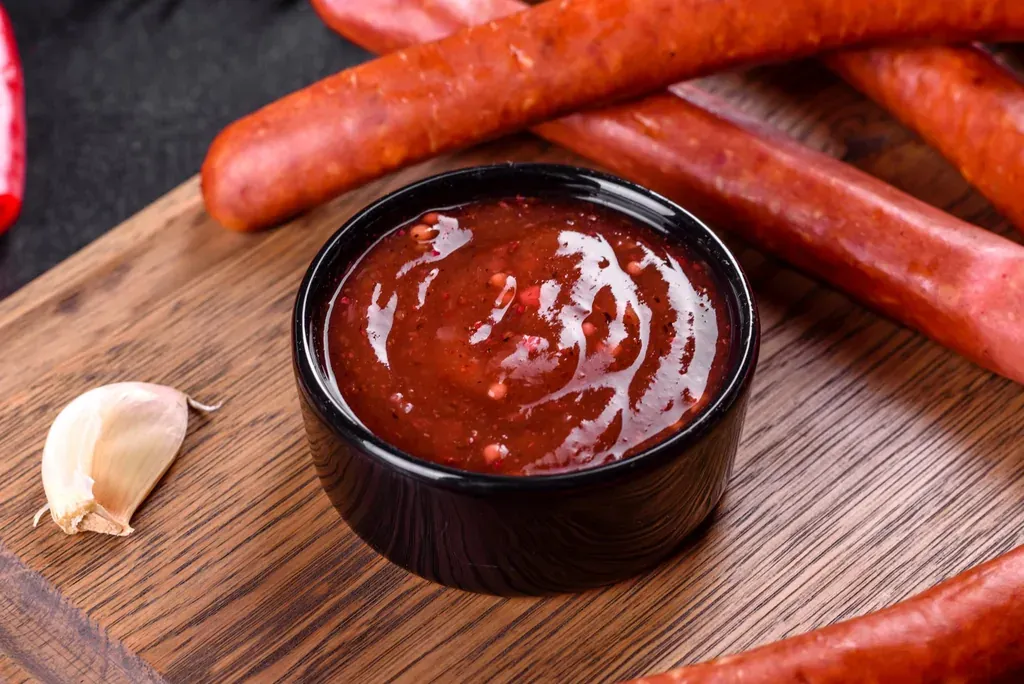
Nothing beats a homemade ketchup alongside your grilled food. This traditional recipe calls for patience but delivers incomparable flavours.
Essential ingredients:
- 1 kg ripe tomatoes
- 1 onion, 1 garlic clove
- 75 ml vinegar
- 50g sugar, assorted spices
Slow cooking over fire (¾ of an hour) concentrates the aromas. Leave to rest for 3-4 days in the fridge before tasting. Keeps for 2-3 months.
Summary table: temperatures and times for cooking over fire
| Food / technique | Temperature | Time |
|---|---|---|
| Grill (direct cooking: steaks, chops, fish, burgers) | 180°C to 290°C | — |
| Barbecue (indirect cooking: large cuts, whole chickens) | 110°C to 160°C | — |
| Steaks (searing) | 230°C-290°C | — |
| Steaks (finishing in the oven) | 200°C | — |
| Buttermilk-marinated chicken | Medium heat | 20-25 minutes |
| Vegetables (on the grill) | Medium temperature | Turn every 1-2 minutes |
| Homemade ketchup | Slow cooking | ¾ of an hour |
An ancestral art reinvented
Cooking over fire transcends the ages. This age-old technique keeps evolving while preserving its essence: revealing the authentic character of food through mastery of the flame. Every grilled dish then becomes a celebration of the primal flavours that connect us to our origins.