Cooking over fire has accompanied humankind for thousands of years. Our ancestors already mastered this age-old culinary art. Today the techniques evolve, yet the essence endures. The fundamental secret? Understanding and mastering heat management.
Great summer grilling comes down to a few simple principles: telling the grill apart from the barbecue, matching the heat to each food — meat, chicken, fish, vegetables — and taking care with your homemade marinades and sauces. This guide walks through the essential techniques, method by method.
Grill or barbecue: understanding the difference
Summer naturally invites us to cook outdoors. Yet we often confuse the grill with the barbecue. This distinction, however, shapes the success of your grilling — the starting point for mastering the secrets of the barbecue and grill.
The grill favours direct cooking at high temperature (180°C to 290°C). This method is perfect for steaks, chops, fish and burgers. The intense heat sears the food quickly, seals in the juices and forms that prized golden crust.
The barbecue relies on indirect cooking at low temperature (110°C to 160°C). This technique is a must for large cuts such as whole chickens. It certainly takes more time, but it guarantees tender, juicy meat.
The secrets to a great barbecue burger
In the United States, every region lays claim to its own authentic burger recipe. Lisa Kahn, a barbecue-cooking expert, recommends coarsely ground beef chuck. This leaner meat prevents dangerous flare-ups.
Step-by-step method
- First, flatten the ground meat.
- Next, season with salt, pepper, cumin and garlic.
- Shape patties slightly wider than your buns.
- Heat your grate, then brush the burgers with oil.
- Sear them on the piping-hot grill.
- Once the meat lifts away easily, turn it over gently.
- When golden, take the patties off the heat and place them in an aluminium container for carry-over cooking.
- Finally, add barbecue sauce and cheese to taste.
Mastering steaks on the barbecue
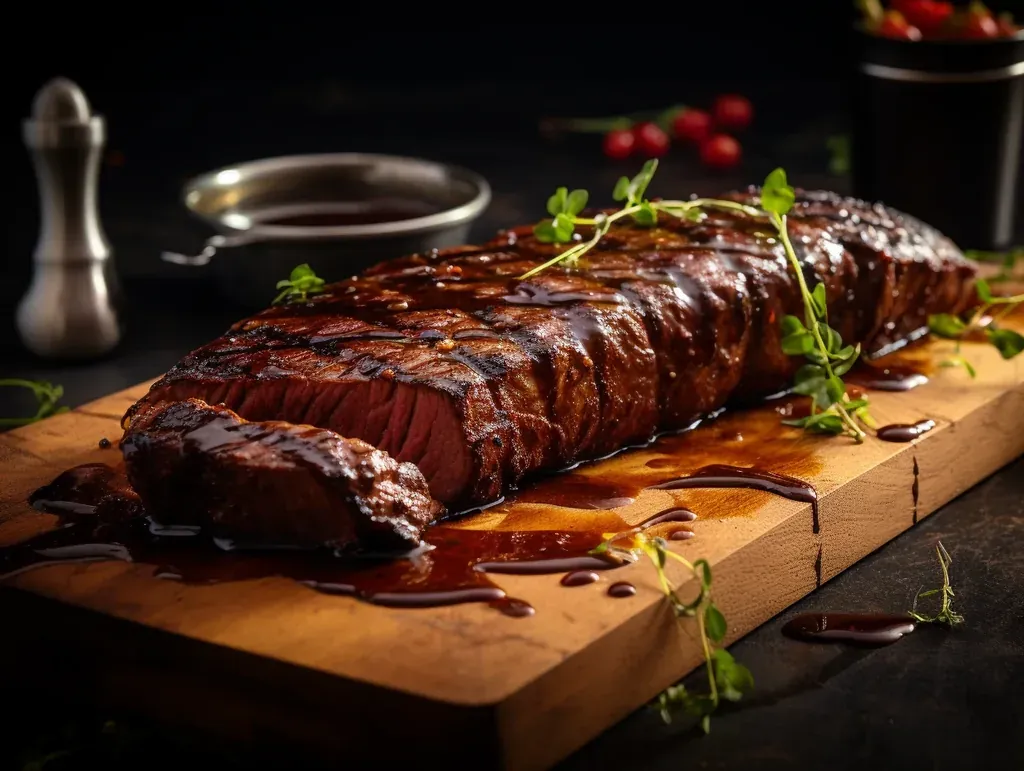
Well-marbled cuts cook best over a direct flame. Score the fat at regular intervals to keep the meat from curling.
The art of the marinade
Marinades transform your steaks. A word of caution, though: citrus and vinegars tenderise meat quickly. Sweet marinades don't take kindly to high temperatures and burn easily.
After seasoning, sear over high heat (230°C to 290°C) for a few minutes. Then finish cooking in the oven at 200°C, keeping a close eye on it.
Barbecue chicken: tenderness above all
Choose a fresh chicken and tenderise it beforehand. You have two options: a salt brine or buttermilk (lben). These preparations dramatically improve both flavour and tenderness.
Begin by searing the chicken on every side. This step locks in the natural juices. Then continue over low heat, avoiding the direct flame. Brush with sauce to taste.
After cooking, let it rest for at least 10 minutes in an aluminium container. This pause redistributes the juices evenly.
Seafood: getting your grilled catch just right
Grilling gives fish a crisp surface and a subtle smoky flavour. Heat your grill well and oil it generously so the food doesn't stick.
Handle delicate-fleshed fish with care. For prawns, keep the shell on — it protects them and enhances the flavour. Sprinkle with salt and cook until they turn pink.
Grilled vegetables and fruit: the perfect side
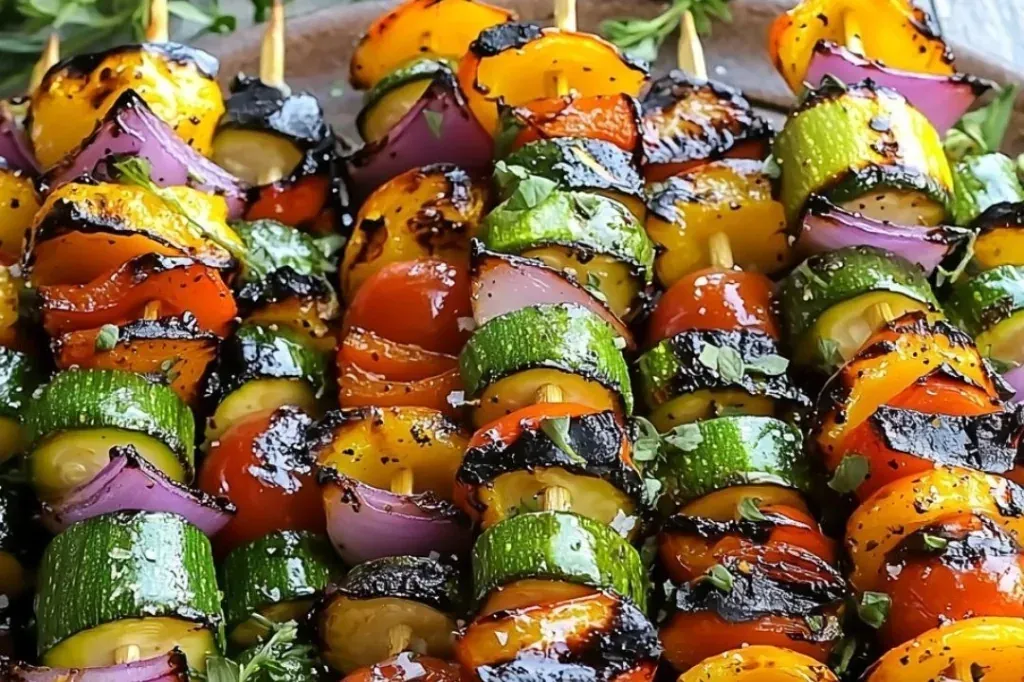
We too often overlook grilled vegetables. Yet this way of cooking lends them a delicious smoky flavour.
Brush lightly with olive oil for colour and to keep things from sticking. Start at medium heat to sear the skins. Turn regularly, then continue over low heat. Check for doneness by piercing with a fork.
Stone fruit (peaches, apricots) and pineapple grill beautifully. This cooking caramelises their natural sugars for an original dessert.
Must-have marinade recipes
A handful of homemade preparations is all it takes to transform your grilled dishes. In the spirit of our marinade recipes worth rediscovering, here are three essentials.
Buttermilk and nutmeg chicken marinade
Ingredients:
- ½ whole chicken (8 pieces)
- 375 ml buttermilk
- 2 cloves garlic, crushed
- 3 ml ground nutmeg
- 10 ml clover honey
- Salt, pepper, fresh thyme
Combine all the ingredients in a plastic bag. Let marinate for at least 4 hours. Cook on the barbecue for 20-25 minutes over medium heat.
All-purpose brine
Ingredients:
- ½ cup salt
- ½ cup sugar
- 2 L hot water
Dissolve the salt and sugar in the hot water. Let it cool before fully immersing the meat. Refrigerate for several hours, then rinse thoroughly before cooking.
Sweet-and-sour marinade
This preparation brings out the best in chicken, chops, beef and shellfish.
Version 1:
- 2 tbsp honey
- 2 tbsp balsamic vinegar
- 2 tbsp olive oil
- 2 tbsp lemon juice
- 1 tbsp soy sauce
- 2 cloves garlic
- 1 tsp chicken spices
- Salt, pepper
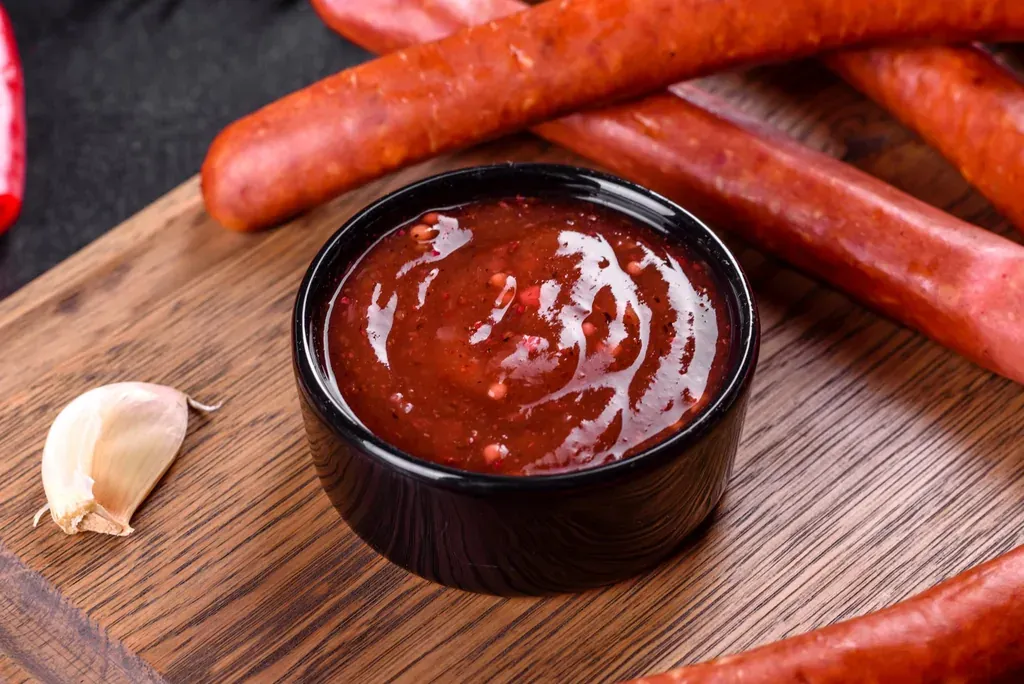
Homemade ketchup: the finishing touch
Ingredients:
- 1 kg ripe tomatoes
- 1 onion
- 1 clove garlic
- 75 ml vinegar
- 50 g sugar
- Spices: salt, pepper, clove, chilli
Cut the tomatoes into six pieces. Cook with the onions and garlic for 30 minutes over high heat. Pass through a food mill, then add the vinegar and spices. Reduce by half over 45 minutes. Stir in the sugar and cook for a further 15 minutes.
Keep in the refrigerator for 2-3 months after 3-4 days of resting — a good moment to revisit the right ways to preserve food.
Conclusion
A successful barbecue calls for patience and technique. Master heat management, respect the cooking times, and don't hesitate to experiment with marinades.
Your guests won't forget these convivial evenings around the fire.