Rose water is the product of the first distillations made by the Arabs in the 10th century. It served as a toilet water, featured in skincare, and was used in cooking to prepare fragrant drinks and refined pastries. It is obtained by distilling Damask roses, native to Syria and grown today mainly in Bulgaria, Turkey and Morocco.
The benefits of rose water
For the skin
Rose hydrosol is rich in anti-aging active ingredients that stimulate the repair of damaged cells and keep skin looking youthful. It soothes the signs of fatigue that build up over the day. Its high vitamin C content boosts collagen synthesis and protects against the free radicals responsible for skin aging; it also helps fade stretch marks, dark spots and wrinkles.
Its astringent action gently tightens pores: it is also a toner well suited to cleansing the skin, rich in vitamins B and E, as well as tannins and pectin. Rose water stimulates the growth of keratinocytes, the cells involved in renewing the epidermis, which keep skin youthful by repairing damaged areas. Its healing and antibacterial properties also make it an ally against acne, skin ulcers and mouth sores.
Rose hydrosol strengthens the seal of the stratum corneum, limiting water loss. Its high content of essential fatty acids improves the skin's hydrolipidic barrier and supports the quality of the fibroblasts that keep skin firm. It calms the discomfort of sensitive skin, reducing redness: its anti-inflammatory action is highly effective at soothing sunburn.
For the eyes
Thanks to its astringent properties, applying rose water to tired eyes immediately relieves puffiness.
For the hair
Applied directly to the scalp, rose water soothes tingling and irritation, stimulates microcirculation, strengthens hair follicles and so helps prevent hair loss. It also stimulates sebum production in the sebaceous glands, which coats the hair, making it thicker and better protected against outside aggressors, while boosting hair growth.
Simply pour a little into the palm of your hands and gently massage the dry scalp for about ten minutes, then apply the rest to the ends and lengths. Rose water doesn't need rinsing out, and leaves hair with a soft, delicate scent: this treatment can be repeated several times a week.
Rose water and our well-being
Rose water has a deep affinity with the emotional realms of body and mind, as well as with the heart: it helps with finding balance, seeing projects through, making decisions, and processing emotions. Its uplifting, harmonizing qualities help dissolve nervous tension and stress. A symbol of love, the flower of femininity par excellence, rose hydrosol leads to inner peace and a fulfilled sex life.
Its use is particularly recommended in the following situations:
- Grief
- Heartbreak
- Aggression, anger, irritation
- Depression
- Lack of self-confidence
- Need for reassurance
- Doubts about one's feminine potential
- Chronic perfectionism
To fully enjoy its balancing benefits, follow a 40-day cure by adding a tablespoon of rose water daily to 1 litre of water to drink throughout the day. You can also add a teaspoon of rose water to your hot herbal tea after each meal. Rose water can also be used as a room mist, or in an aromatic bath — the equivalent of 3 tablespoons added to the bathwater.
Putting it into practice
Two simple recipes to get started, taken from our full selection of beauty recipes based on rose water:
Lip balm
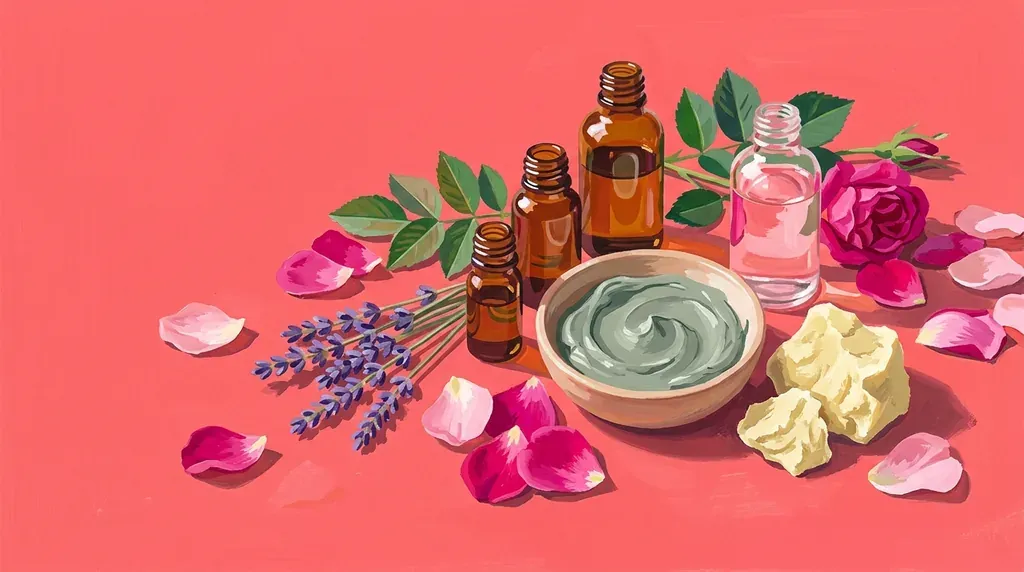
Melt 15 g of shea butter in a double boiler with 12 ml of sweet almond or jojoba vegetable oil, then remove from the heat. Add 5 to 10 ml of rose hydrosol and 1 drop of lemon essential oil, stir until cooled, and store in a small jar.
Cleansing lotion
Put 1 teaspoon of apple cider vinegar and 1 drop each of frankincense and rose essential oils into a bottle, close it and shake, then add 50 ml of rose hydrosol and shake again.
A symbol of love and the flower of femininity par excellence, rose hydrosol brings inner peace as surely as it repairs the skin.