Ancestral beauty rituals have crossed the centuries and never cease to enchant. These age-old practices, created from local plants, have travelled the world to enrich our modern routines. Today, let us rediscover together these authentic beauty gestures that our foremothers mastered to perfection.
Hammam (steam bath), black soap, loofah scrub, a mask of tfal (a very soft clay), henna, rose water, barouk (a Tunisian beauty stone), khôl (kohl), olive oil or mint green tea: this guide brings together the natural beauty rituals inherited from the Maghreb — the gestures our grandmothers had mastered and that we can reintroduce, step by step, into a modern routine.
Ancestral beauty rituals reconnect us with the wisdom of our foremothers.
The Hammam: The Ancestral Art of the Steam Bath
The hammam — its Arabic name means "to spread heat" — is the beauty ritual par excellence. Born of Muslim religious precepts that prize meticulous hygiene, it offers undeniable benefits for both body and mind.
In this moist steam bath, you move gradually from a room at ambient temperature into one heated to 50°C with 100% humidity. This gentle progression allows your body to adapt naturally.
The hammam relaxes every muscle, purifies the skin and flushes out toxins. The hot steam opens the pores, perfectly priming your skin for the treatments that follow. Often, essences of eucalyptus or lavender scent the air to deepen the sense of relaxation.
Between sessions in the steam, alternate with cool showers. This technique tones the skin, boosts blood circulation and speeds the elimination of toxins through perspiration.
Black Soap: A Treasure of Traditional Exfoliation
Traditional black soap deserves pride of place among your ancestral beauty rituals. This paste, made of olive oil and crushed black olives, turns into soap on contact with water.
Spread the black soap generously over damp skin, then let it work for a few minutes. This preparation maximises the effectiveness of the scrub that follows.
The Loofah Scrub for Silky Skin
The loofah, a traditional exfoliating mitt, comes from a dried gourd turned into a natural plant sponge. It ensures a gentle exfoliation while stimulating blood circulation.
After applying the black soap, rub your skin gently with the loofah. Begin at your feet and work your way slowly up the body to stimulate circulation. Then rinse with lukewarm water to reveal soft, radiant skin.
The Tfal Clay Mask: Gentleness for Sensitive Skin
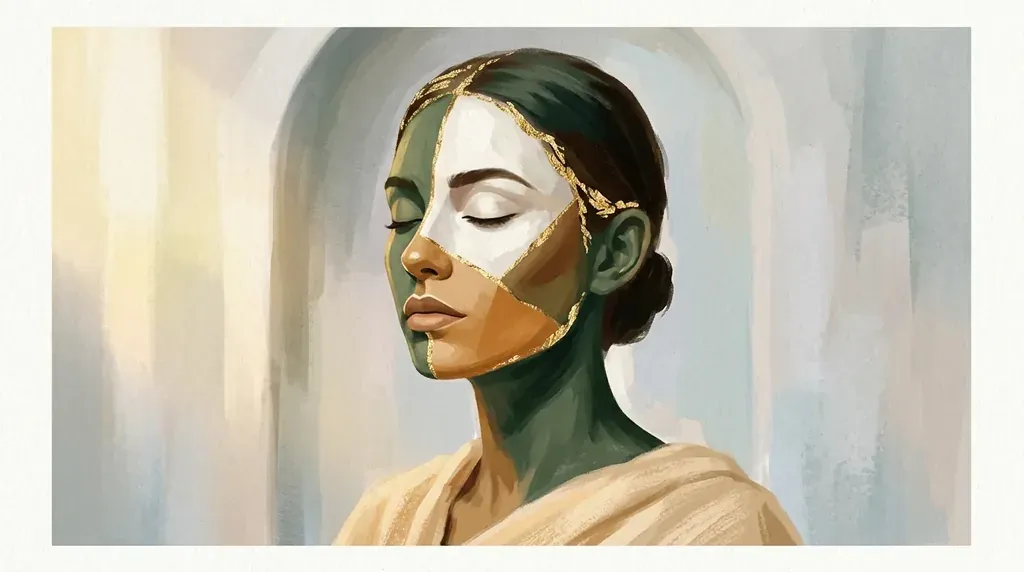
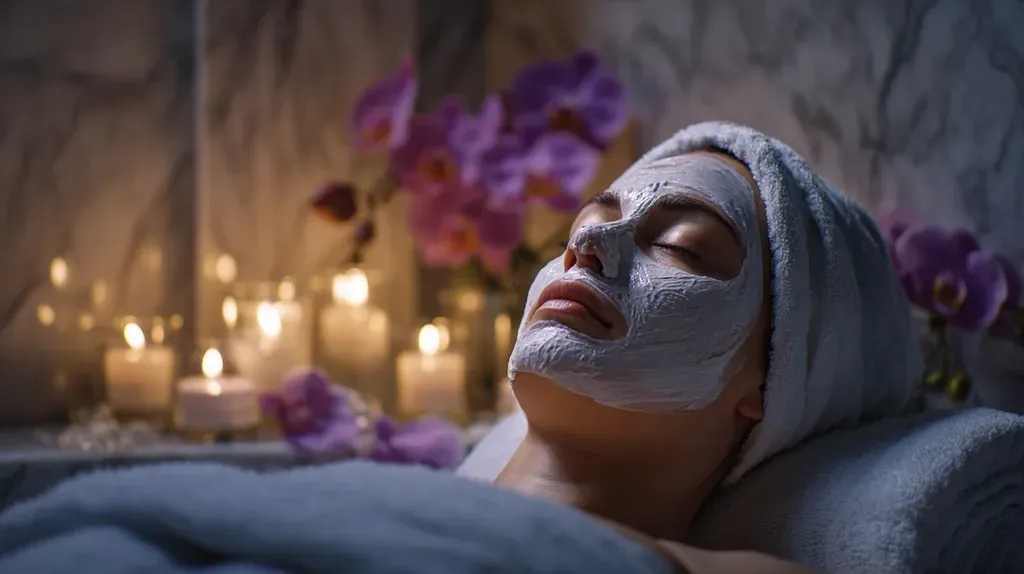
Tfal, a very soft clay, is perfectly suited to sensitive skin in ancestral beauty rituals. This fine earth removes excess sebum without any harshness, making it especially suited to combination and oily skin.
- Mix the tfal clay with rose water until you reach the desired consistency.
- Add a few drops of olive or argan oil for extra nourishment.
- Leave the mask on for 5 to 10 minutes on the face, or 20 minutes on the hair to strengthen it.
Traditional Hair Removal: Natural Efficiency
Hair removal is an integral part of ancestral beauty rituals. The traditional wax — made of water, sugar, healing honey and antiseptic lemon — pulls hair out at the root.
This natural method delays regrowth by three weeks to a month. It also sloughs away dead skin, leaving your complexion clear, soft and radiant. Threading complements this technique beautifully for the delicate areas of the face.
Henna: Natural Colour and Hair Care
Henna naturally tints brown or chestnut hair with auburn to coppery highlights. Neutral henna, less well known, offers the same strengthening benefits without altering the colour.
Used regularly, it cleanses the scalp and brings shine to the hair. Traditionally, henna also adorns the skin with Berber motifs during important celebrations.
Rose Water: An Ancestral Elixir of Youth
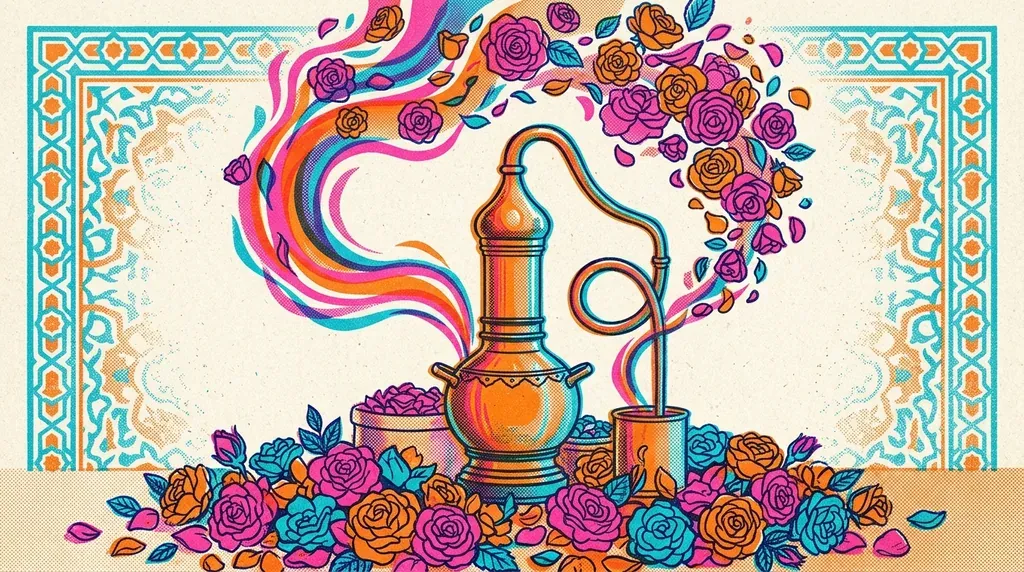
Rose water, born of the first Arab distillations of the tenth century, has enriched ancestral beauty rituals for centuries. This floral water of Damask roses holds many benefits.
For Your Skin
Rich in vitamin C, rose water stimulates collagen synthesis and protects against free radicals. It softens stretch marks, blemishes and wrinkles thanks to its astringent action, which tightens the pores.
Its healing and antibacterial properties effectively fight acne and irritation. Rose water also improves your skin's hydrolipidic barrier.
For Your Eyes
Apply rose water to your tired eyes — its astringent properties soothe puffiness instantly.
For Your Hair
Massage rose water into your dry scalp for about ten minutes. It stimulates microcirculation, strengthens the hair follicles and helps prevent hair loss. This water also encourages the production of natural sebum, which sheathes and protects your hair.
Barouk: The Tunisian Beauty Stone
Barouk — an essential ritual for Tunisian brides — is regaining its popularity. This crumbly stone, made of white clay and cooked aromatics, is still produced in Sfax and Ghar El Milh.
Crush the stone and blend it with a floral water until you obtain a smooth paste. Add honey for an extra nourishing effect. Leave this mask on for twenty minutes before rinsing with lukewarm water.
Prized for its soothing, firming and brightening action, barouk calms post-waxing redness and gives the complexion a healthy glow.
Khôl: The Intensity of the Oriental Gaze
Khôl has accompanied ancestral beauty rituals since the dawn of time across the Maghreb and the Middle East. This black powder naturally underscores the beauty of the eyes and intensifies the gaze.
Olive Oil: The Mediterranean's Liquid Gold
Olive oil, rich in vitamin E, makes for an effective natural anti-ageing treatment. Light and gentle, it deeply hydrates the entire body, especially dry areas such as the knees, elbows and heels.
This precious oil removes make-up gently and suits every skin type. For the hair, it strengthens the strands, reduces shedding and encourages regrowth while nourishing intensely.
Mint Green Tea: A Ritual of Well-Being
Let us close these ancestral beauty rituals with an emblematic drink. Mint green tea, rich in antioxidant polyphenols, slows the premature ageing of tissues.
This traditional beverage neutralises free radicals and makes an excellent anti-ageing ally, particularly effective against wrinkles.
Ancestral beauty rituals reconnect us with the wisdom of our foremothers. These natural practices, tested by generations, offer an authentic alternative to industrial cosmetics. Bring these gestures gradually into your routine to rediscover the benefits of natural beauty.