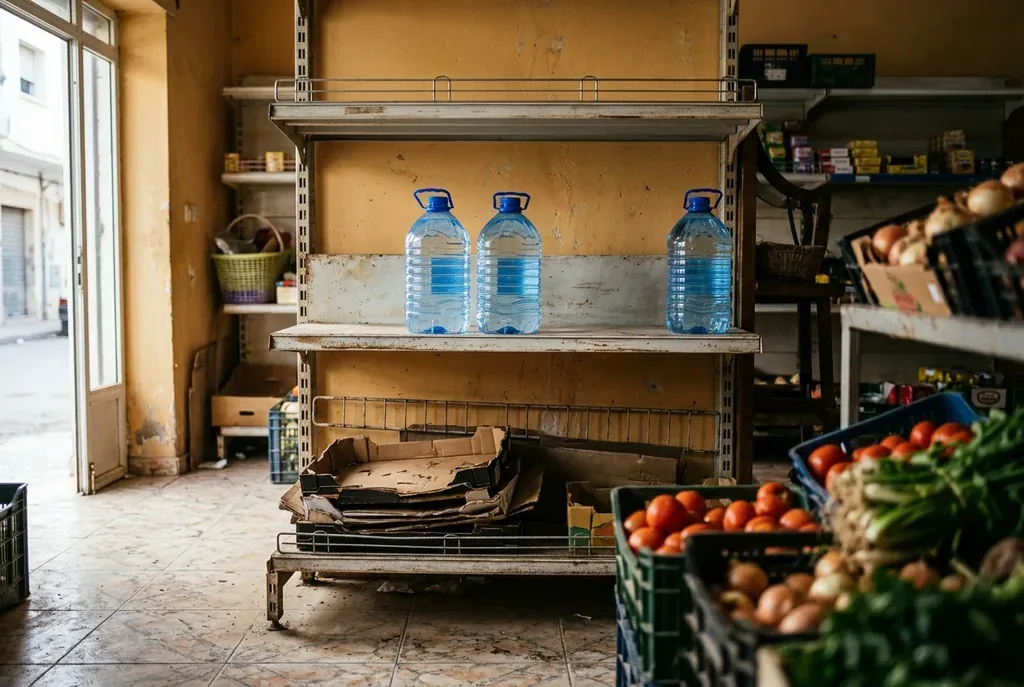
Water management in Tunisia faces major challenges made worse by human factors: poor anticipation of droughts, overconsumption, and agricultural and urban pollution. This situation is turning water, a vital resource, into a crucial political, economic and public health issue in the 21st century.
The Water Paradox: Abundance and Scarcity
Water, an element indispensable to life, presents a striking paradox in Tunisia and across the world. Covering 70% of the earth’s surface and making up 65% of the human body, it nonetheless remains scarce. Of the 1,300 million km³ of water on our planet, 97.2% is salt water and unusable for human needs. Only 0.65% of water is accessible, mostly underground, and unevenly distributed across the globe. This disparity underlines the urgency of balanced management, especially in countries such as Tunisia, where water stress has persisted for more than two decades.
Persistent Water Stress in Tunisia
Water Shortage and Overexploitation of Resources
Tunisia faces a critical water shortage — fewer than 500 m³ available per inhabitant — made worse by the overexploitation of groundwater tables. This overexploitation, coupled with contamination and saline intrusion, threatens both the quality and the quantity of available water. Rising water needs, driven by population growth and economic expansion, are intensifying the pressure on this precious resource, calling into question the traditional role of agriculture, which consumes 83% of the water.
Environmental Degradation and the Impact of Climate Change
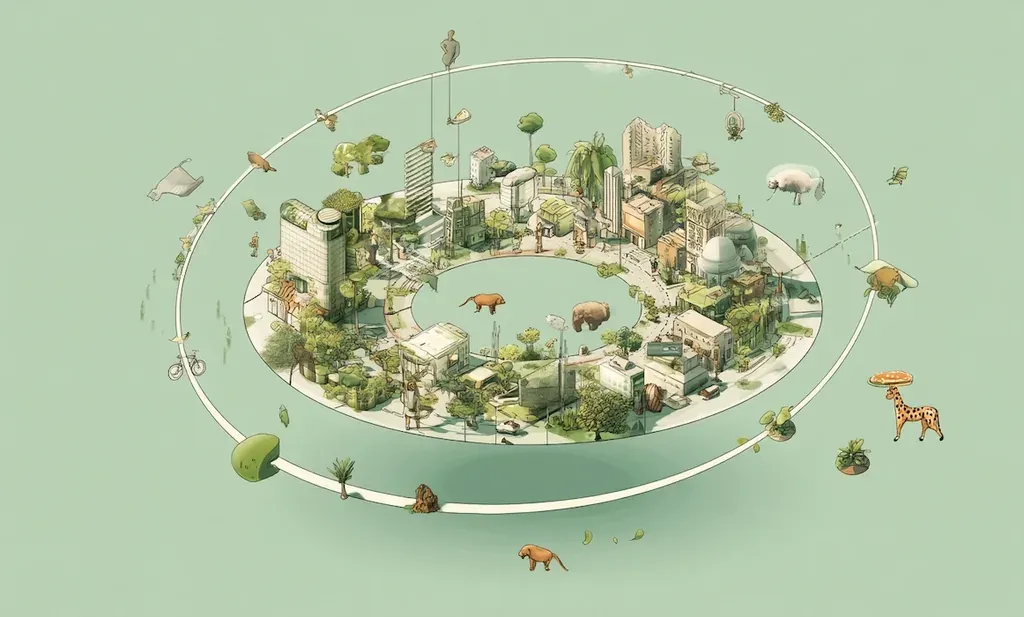
Environmental challenges such as erosion, sedimentation of dams, and wastewater pollution are compounding the water crisis. Climate change adds to the strain, with alarming forecasts of rising temperatures and falling rainfall. These factors increase evaporation and water demand, endangering the sustainability of ecosystems and the country’s water security.
Towards Sustainable Water Management
Faced with this critical situation, Tunisia must adopt a more sustainable, more equitable water management strategy. This includes:
- Renovating existing infrastructure
- Promoting farming practices that use less water
- Investing in desalination and wastewater treatment technologies
Raising awareness of water saving and adapting to climate change are also becoming essential. They secure a future in which access to water is not a luxury but a right guaranteed to all.
Read also: Waste management: the innovative solutions of the 21st century
Towards a New Water Governance in Tunisia
Tunisia urgently needs new water governance. Securing the availability of this vital resource calls for a comprehensive, long-term strategy. At present, around 82% of wastewater is not reused, despite the high potential of this sector. Modernising treatment plants and investing in desalination plants along the coast are becoming priorities. Beyond this, meeting the crisis effectively will require a review of agricultural policy and massive investment to renovate water infrastructure.
Innovative Practices for Saving Water
Several practices can be put in place to reduce water consumption:
- Companion planting
This method, based on complementarity between plants, aims to optimise the use of water resources. It reduces the need for inputs and improves biodiversity. - Micro-jet irrigation
Replacing traditional gravity irrigation, this technique saves up to 70% of water. - Reforestation and acacia planting
Trees, and Vachellia nilotica in particular, play a crucial role in recovering water. This makes it possible to prevent erosion and soil salinisation. They also contribute to soil fertility and to biodiversity.
Industrial and Agricultural Challenges
The industrial sector, including the textile industry and phosphate processing, must also review its practices to reduce its water consumption and limit pollution. Adopting cleaner technologies and treating wastewater before discharge are imperative.
On the textile craft that shaped part of Tunisian identity, read also: Chéchia and Sefseri: the Tunisian dress heritage that spans the centuries.
Soil Conservation and Sustainable Agriculture
Faced with soil degradation and erosion, conservation agriculture appears to be a viable solution. It rests on three fundamental principles:
- Abandoning tillage
- Permanent soil cover
- Direct seeding with crop rotation
These practices not only preserve soil health but also ensure better water management.
On the Tunisian landscapes shaped by erosion, read also: Jugurtha’s Table: a place rich in history.
Key Figures on Water Management in Tunisia
| Indicator | Figure |
|---|---|
| Accessible fresh water on the planet | 0.65% |
| Water availability per inhabitant in Tunisia | Fewer than 500 m³/year |
| Agriculture’s share of water consumption | 83% |
| Wastewater not reused in Tunisia | Around 82% |
| Water saved by micro-jet irrigation | Up to 70% |
Conclusion
Water management in Tunisia is a major issue that calls for collective action and innovative solutions. We must all play a part in preserving this vital resource for future generations.