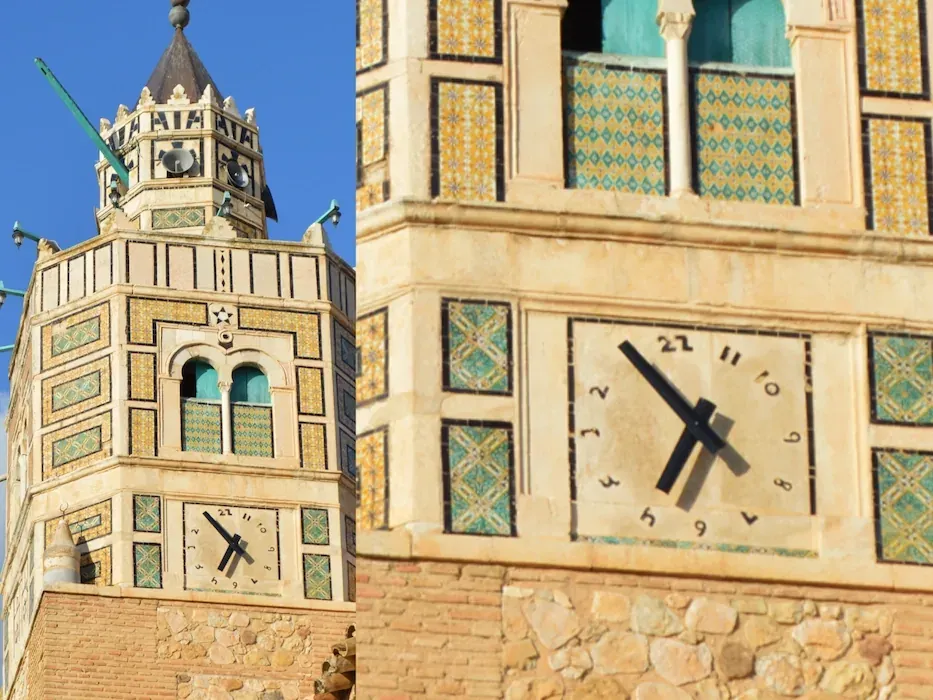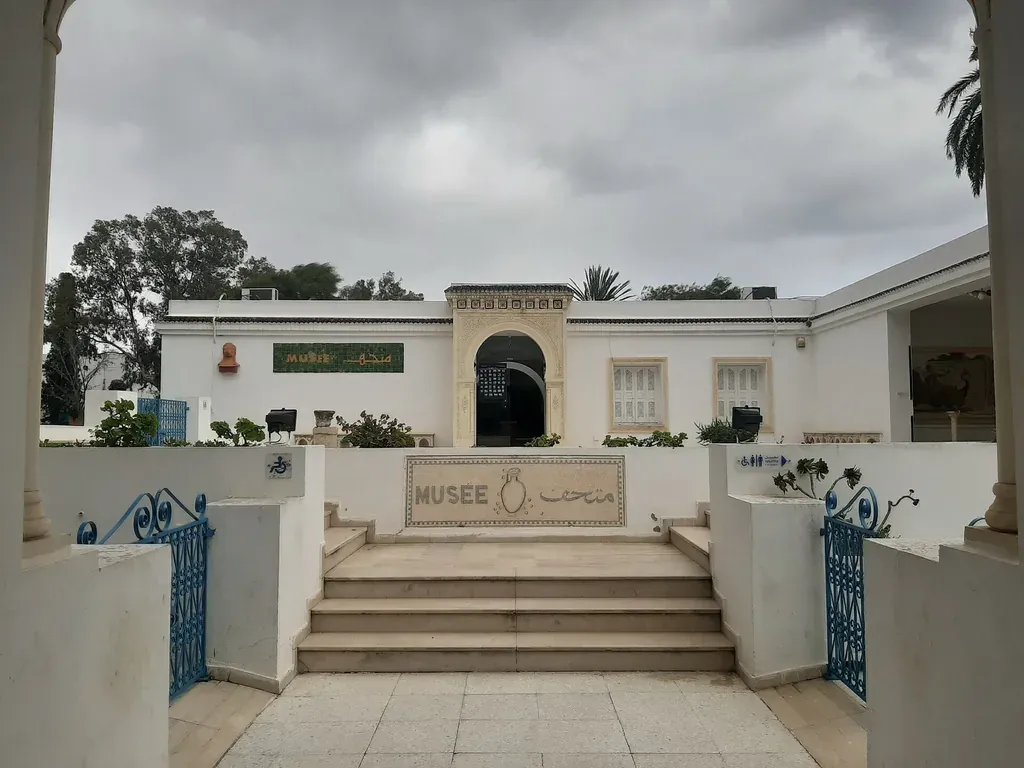
In the heart of the Béja governorate, Testour shines as Tunisia’s Andalusian pearl. This historic town of 12,732 inhabitants has established itself as the undisputed capital of the Tunisian pomegranate. Testour produces 20% of the national pomegranate crop, an annual output of 18,000 tonnes, making this red fruit with its juicy arils the region’s true ambassador.
The Testour pomegranate: an exceptional agricultural treasure
Produce of superior quality
The Testour pomegranate stands apart thanks to unique characteristics that make it one of the finest in the world. It is renowned for its very thin skin, its juicy seeds and its sweet flavour. This excellence is explained by ideal climatic conditions and ancestral know-how passed down since Andalusian times.
The exceptional terroir of the Medjerda, combined with the expertise of local growers, yields fruit of remarkable quality. Cultivation techniques blend the modern with the traditional, drawing heavily on the methods of the Moriscos of Spain, who settled in the region at the beginning of the 17th century.
A clearly defined harvest season
The pomegranate season runs from October to January, a period during which the region reveals all its splendour. The orchards deck themselves in scarlet fruit, creating an enchanting landscape that draws visitors and photographers alike. The flowering of the pomegranate trees, for its part, offers a magnificent spectacle between May and June.
The nutritional benefits of the pomegranate: a superfruit with exceptional virtues
A rich nutritional profile
The pomegranate turns out to be a genuine concentrate of health benefits. It is 80% water, hence its excellent thirst-quenching power, is very low in calories and does not contain many carbohydrates (between 13 and 14 g per 100 g).
This exceptional fruit contains:
- Essential vitamins (C, B6, B9, K)
- Valuable minerals (potassium, copper, magnesium)
- Dietary fibre that aids digestion
- Powerful antioxidants (polyphenols, flavonoids)
Exceptional antioxidant properties
What is distinctive about the pomegranate is its wealth of phenolic compounds, the polyphenol being an antioxidant. These unique substances give the pomegranate remarkable properties for preventing cellular ageing and strengthening the immune system.
Scientific research shows that the pomegranate has virtues that are:
- Naturally anti-inflammatory
- Protective of the cardiovascular system
- Beneficial for memory and cognitive function
- Favourable to digestive health
The Pomegranate Festival: an annual celebration not to be missed
A major cultural event
Every autumn, Testour comes alive around its emblematic festival. The 9th edition of the pomegranate festival ran from 29 October to 2 November 2025, organised by the Association for the Safeguarding of the Town of Testour in collaboration with the UTAP and the CRDA.
This annual gathering is far more than a simple agricultural fair. It celebrates Testour’s Andalusian identity and showcases traditional know-how. The number of participants has doubled compared with previous years, now reaching 220 exhibitors.
A rich and varied programme
The festival offers a diverse line-up with something for every generation:
- Exhibitions of pomegranates and pomegranate products
- Authentic Andalusian cookery competitions
- Themed talks on the fruit’s benefits
- Cultural entertainment and folk performances
- Sporting competitions and children’s activities
- A direct producer-to-consumer market
Visitors can sample local specialities such as the famous mesfouf of Testour, artisanal jams and freshly pressed juices. A market allows direct sales from producer to consumer, offering the fruit at the attractive price of one dinar per kilo.
Innovation and added value: towards a promising future
The Romena Tour route in Testour
An innovative initiative is taking shape to give this exceptional heritage still greater prominence. The tourist trail « Romena Tour à Testour » will be open to visitors all year round and not only during the Festival period. This themed route brings together nine local operators offering immersive experiences built around the pomegranate.
Towards a controlled designation of origin
Efforts to add value also involve official recognition of the product’s unique quality. Pomegranate growers have filed an application for an Appellation d’Origine Contrôlée (controlled designation of origin) for the Testour Pomegranate. The aim is to protect and promote this exceptional terroir on national and international markets.
Many culinary and cosmetic uses
A fruit with a thousand facets
The Testour pomegranate is not limited to being eaten as it comes. This fruit can be used in cosmetics, in the formulation of certain face or anti-ageing creams, as a juice, or as the famous grenadine syrup.
Local women artisans keep ancestral traditions alive to craft delicious products: artisanal jams, fragrant molasses, iced sorbets and traditional pastries. These creations reflect the richness of the Andalusian culinary heritage preserved in Testour.
| Indicator | Value |
|---|---|
| Population of Testour | 12,732 inhabitants |
| Share of national pomegranate production | 20% |
| Annual production | 18,000 tonnes |
| Water content of the fruit | 80% |
| Carbohydrates per 100 g | 13 to 14 g |
| Harvest season | October to January |
| Flowering of the pomegranate trees | May-June |
| Pomegranate Festival (9th edition) | 29 October – 2 November 2025 |
| Exhibitors at the festival | 220 |
| Price at the direct producer-to-consumer market | 1 dinar per kilo |
| Operators on the Romena Tour route | 9 |
Conclusion: Testour, temple of the Tunisian pomegranate
Testour perfectly embodies the synthesis of tradition and modernity. This Andalusian town has managed to preserve its heritage while adapting to contemporary challenges. The pomegranate, the region’s emblematic fruit, is the symbol of that exceptional success.
Between its centuries-old orchards, its renowned festival and its tourism innovations, Testour is establishing itself as the essential destination for discovering the authentic Tunisian pomegranate. This pearl of northern Tunisia amply deserves its reputation as the capital of the pomegranate, a fruit of a thousand virtues that is the pride of an entire region.