The date palm, a symbol of nobility and mystery, reaches far beyond the borders of North Africa to leave its mark on cultures and economies across the world. Discover how this majestic tree shapes landscapes and lives.
History and Geographical Distribution of the Date Palm
The date palm stands as a thousand-year-old witness to the civilisations that flourished in its shade. Native to the arid territories of the Middle East and North Africa, it has become, over the centuries, a pillar of culture and of the economy in these regions. Its presence, recorded in ancient texts and wall frescoes, testifies to its importance from the earliest agricultural societies onwards. In Tunisia, in Egypt and around the Persian Gulf, the date palm was not only a source of food but also a symbol of fertility and life.
A Symbol Around the World
The date palm transcends geographical borders to take root in cultures the world over. Renowned for its hardiness and its ability to thrive in arid environments, it stands for perseverance and adaptability. In the oases of the Sahara or the valleys of Iran, every palm tells a story of survival and prosperity. It is also a symbol of peace and hospitality, welcoming travellers with the shade of its fronds and the sweetness of its dates.
The Global Expansion of Date Palms
Beyond its native lands, the date palm has embarked on a genuinely global odyssey. In the nineteenth and twentieth centuries, with advances in farming techniques and the growth of trade, it travelled to distant countries such as California, Arizona and Texas, where the climate resembled that of North Africa. This expansion made it possible to diversify date cultivation and to enrich local agriculture. Today, countries such as Australia and Brazil are among the date palm's new territories. This demonstrates its unique capacity to adapt to and enrich the ecosystems in which it settles.
| Areas | Regions mentioned |
|---|---|
| Historical cradle | Middle East and North Africa — notably Tunisia, Egypt and the Persian Gulf |
| Nineteenth- and twentieth-century expansion | California, Arizona and Texas (United States) |
| New territories | Australia, Brazil |
The Date Palm in Culture and Heritage
The date palm is woven deep into the cultural and heritage fabric of many societies. This emblematic plant, a symbol of life and prosperity, has been venerated from antiquity to the present day. This testifies to its unshakeable importance across the ages.
Recognition by UNESCO
In 2019, date palm cultivation was honoured by UNESCO as intangible cultural heritage of humanity. This prestigious distinction underlines the importance of the date palm. Not only as a source of food but also as a central element of the traditions and know-how that shape the identity of entire communities. The date palm is celebrated for its ability to sustain the economy of arid regions, thereby contributing to the livelihoods of millions of people. It represents a living heritage, passed down from generation to generation. It encapsulates the values of perseverance, adaptability and respect for the environment.
The Palm in Legends and Traditions
The date palm holds pride of place in the legends and traditions of many peoples. In mythological accounts, this tree is often associated with fertility, abundance and eternal life. This reflects its vital importance in desert societies. The Berbers, for example, regard the palm as a sacred link between heaven and earth. For them, it is a pillar holding up the celestial vaults. Stories abound about oases born of the meeting between sun and water. In these legends, the date palm stands as the guardian of those earthly paradises. In the cultures of the Middle East, the palm — present in art, literature and poetry — symbolises generosity and hospitality, values that lie at the heart of those societies.
The Economic Importance of the Date Palm
The date palm plays a crucial role in the economy of many countries, particularly in arid and semi-arid regions. This plant does not merely beautify the landscape; it constitutes an indispensable source of income for millions of people. Its economic impact goes well beyond the simple production of dates, touching on various sectors such as agritourism, the pharmacopoeia and craftsmanship.
A Source of Income in Tunisia
In Tunisia, the date palm represents a genuine economic windfall. The country, recognised for the superior quality of its dates, notably the Deglet Nour variety, draws a significant share of its agricultural income from this sector. Tunisia's palm groves, which stretch from north to south, not only offer a landscape of striking beauty but also contribute to the local economy. Every year, Tunisia produces hundreds of thousands of tonnes of dates, destined for both the domestic market and export. This production directly or indirectly supports up to a million people, encompassing farmers, farm workers and professionals in processing and marketing.
The Diversity of Date Varieties
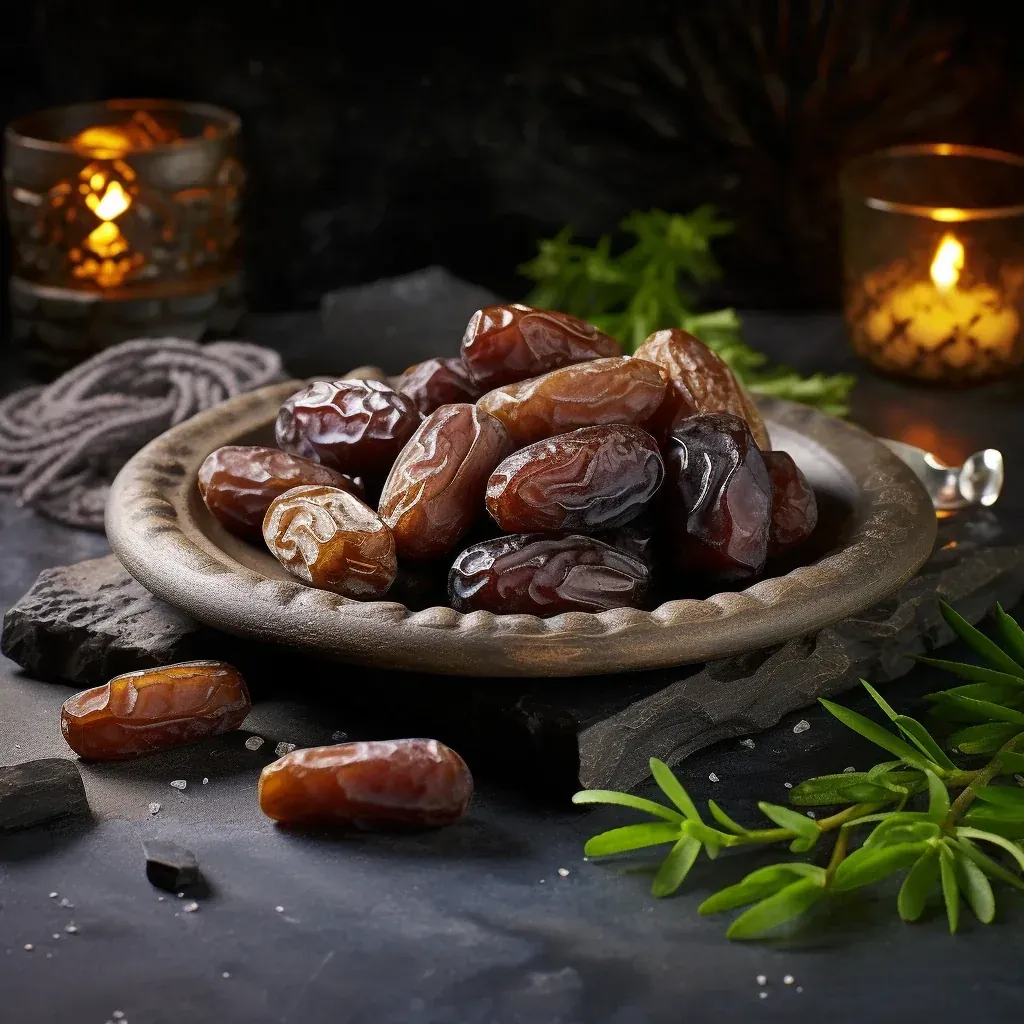
The richness of the date palm lies not only in its ability to thrive in arid environments, but also in the exceptional diversity of its fruit. With more than three hundred varieties recorded around the world, each type of date offers unique characteristics in terms of taste, texture and nutritional value. This diversity allows producers to meet a wide range of market preferences and needs, opening the way to specialised and lucrative niches, particularly in the organic and premium segments. Selecting and cultivating specific varieties has become a strategic focus for producers seeking to optimise quality and add value to their offering on international markets.
Challenges and Future Prospects
The date palm sector, despite its undeniable economic and cultural importance, faces considerable challenges. These challenges call for immediate attention and action. If they are well managed, they also offer promising future prospects for sustainability and innovation in date palm cultivation.
Production and Market Issues
One of the main challenges lies in the delicate balance between supply and demand on the date market. With production rising thanks to improved farming techniques, some producing countries find themselves with a surplus. This can lead to falling prices, affecting profitability for farmers. International competition is intensifying too, with each country seeking to position itself advantageously on the global market. The quality of dates is therefore becoming a crucial point of differentiation. This is pushing producers to adopt high production standards in order to maintain their competitiveness.
Innovation and Sustainable Development
Innovation and sustainable development stand out as essential levers for the future of the date palm sector. Adopting innovative farming practices, such as efficient irrigation and organic growing techniques, can contribute to production that is more sustainable and more respectful of the environment. Moreover, diversifying products derived from the date palm, such as cosmetics, food supplements and bioplastics, opens up new ways of adding value. These innovations, coupled with a sustainable development strategy, not only protect the ecosystem but also ensure a stable and lasting source of income for local communities.
Conclusion
The date palm, more than a mere tree, is a living heritage that binds history to modernity. Its benefits, its beauty and its economic and cultural importance continue to inspire and sustain communities around the globe.