The three-strand braid, often called “the mother of all braids”, is no passing fad: an ancient head kept at the Bardo Museum already wears a ritual braid. From the French braid and the Dutch braid to the fishtail and the crown braid, here's how to prep your hair and get each one right, with no demand for perfection.
Why are braids having a moment again?
a slightly loose braid holds up all day, and that’s more than enough
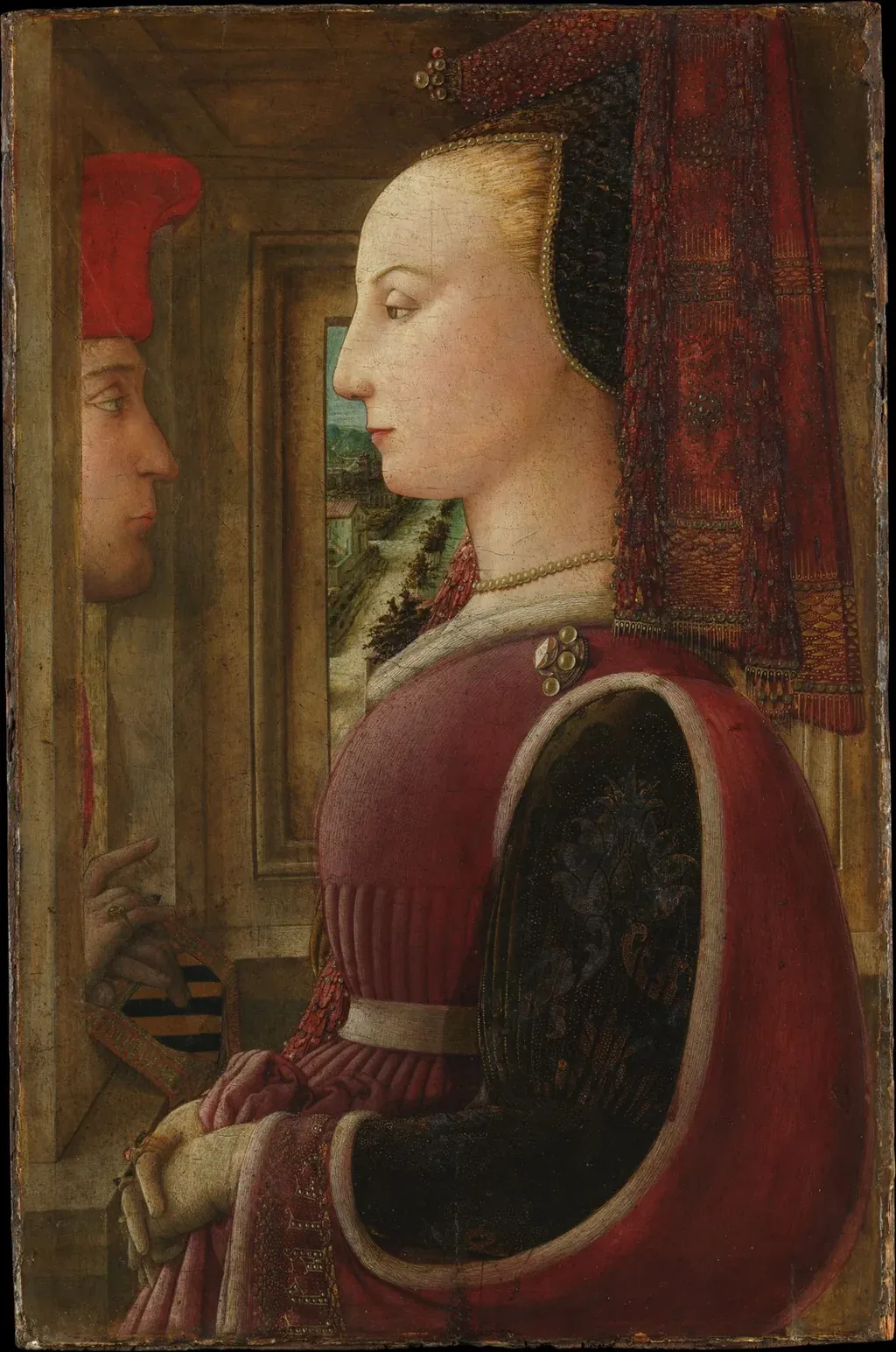
The braid is nothing new. At the Bardo Museum, a black limestone head of a Libyan man, unearthed in the Antonine Baths in Carthage, shows a shaved skull save for one long ritual braid, plaited down the centre of the head. Monaé Everett calls the three-strand braid “the mother of all braids”: the technique has existed for centuries across countless cultures, and works just as well for keeping hair off the face.
This gesture, passed down since antiquity, is back today in looser forms. The simple braid now appears as a half-braid, folded back on itself or styled with a bohemian touch. Fishtails and sleek, scalp-close braids are giving way to a more relaxed plait, with a few loose strands left to escape, for a romantic, off-duty Milanese look.
How should you prep your hair before you start?
Before any braid, one step changes everything: backcombing. It means combing the section against the grain, in the opposite direction to the tiny scales that cover each hair and point towards the ends. That friction adds volume and better grip, especially useful at roots that lack hold. Abby Smith makes it a ritual before every style, prized for its volume and grip, though she warns that the line between backcombing just enough and backcombing too much is a fine one. Better to keep the shape of the section than sacrifice all structure to excess volume.
Dry shampoo is the second habit to pick up. It soaks up excess oil at the roots and gives hair back some texture. According to Abby Smith, this step buys you a day, sometimes up to three, without washing. Just what you need for a clean base, ready to be braided.
Three-strand braid, Dutch braid or French braid: which one should you start with?
Everything starts with the three-strand braid, which hairstylist Monaé Everett calls "the mother of all braids". This technique has crossed centuries and cultures, and works as well for keeping hair off the face as for taming unruly locks before heading out. Master this simple move and you already hold the basis for every braid to come, on straight, wavy or curly hair.
People often mix up the Dutch braid and the French braid, yet it all comes down to a single move: the Dutch braid crosses strands underneath, the French braid crosses them on top. That’s all you need to remember. This small reversal is enough to make the Dutch braid the basis for more elaborate styles, while the French braid stays the most familiar one for training your eye and your hands before going further.
Fishtail and crown braid: how do you move on to more ambitious styles?
Once you've mastered the knotted braid, the one Everett recommends as a starting point, drawing on the look of chainmail, the fishtail becomes the logical next step. The moves are the same, simply repeated with more confidence, and the braided shape gains in texture.
To keep the braid from looking stiff once it’s done, Everett recommends pancaking. This move involves gently pulling on the outer loops to widen the braid and give it a more modern look. Smith, for her part, taught herself in front of the bathroom mirror, braiding even in front of the television or in the car. As she puts it in her own way, you move forward step by step, without rushing. The crown braid, more ambitious, comes next.
You don’t need ten minutes in front of the mirror or a hairstylist’s hands to feel properly braided. Between the three-strand braid, the Dutch braid and the French braid, pick the one that feels right for you today, and let a few loose strands escape if they want to: that’s exactly what gives the braid its current look. If it comes out crooked, start again, or just keep it that way: a slightly loose braid holds up all day, and that’s more than enough.
Also on La Sultane
Mermaid hair: 7 commandments to transform your mane
Fragile, damaged hair? Which remedies work best?
HIFU therapy, the non-surgical facelift everyone’s obsessed with