Dietary rebalancing means rethinking what you eat to lead a healthier life. Here is the essential guide to getting started and making these new habits stick.
Dietary Rebalancing: Just a New Name for Dieting?
You might think so if you assume its ultimate goal is weight loss. Yet, as its name suggests, it's really about choosing a more balanced diet. Even at your ideal weight, you can still feel tired: the first question to ask yourself is "does my daily diet give my body all the nutrients and vitamins it needs?" This is where dietary rebalancing comes in — reorganizing your meals to eat daily from the different food groups, each of which provides different nutrients.
The Basics of Dietary Rebalancing
The first step is to pay attention to what goes on your plate: gradually cutting back on processed foods (refined flour, sugar) and replacing them with whole foods, reducing — ideally eliminating — hydrogenated fats from ready meals, margarine, and palm, soy, or cottonseed oil, and favoring unprocessed foods, such as fruits and vegetables.
The Five Food Groups to Eat
Dietary rebalancing is built on eating 5 major food groups: fruits and vegetables, protein, dairy products, carbohydrates, and fats along with salt.
| Group | Recommended portion | How to work it in easily |
|---|---|---|
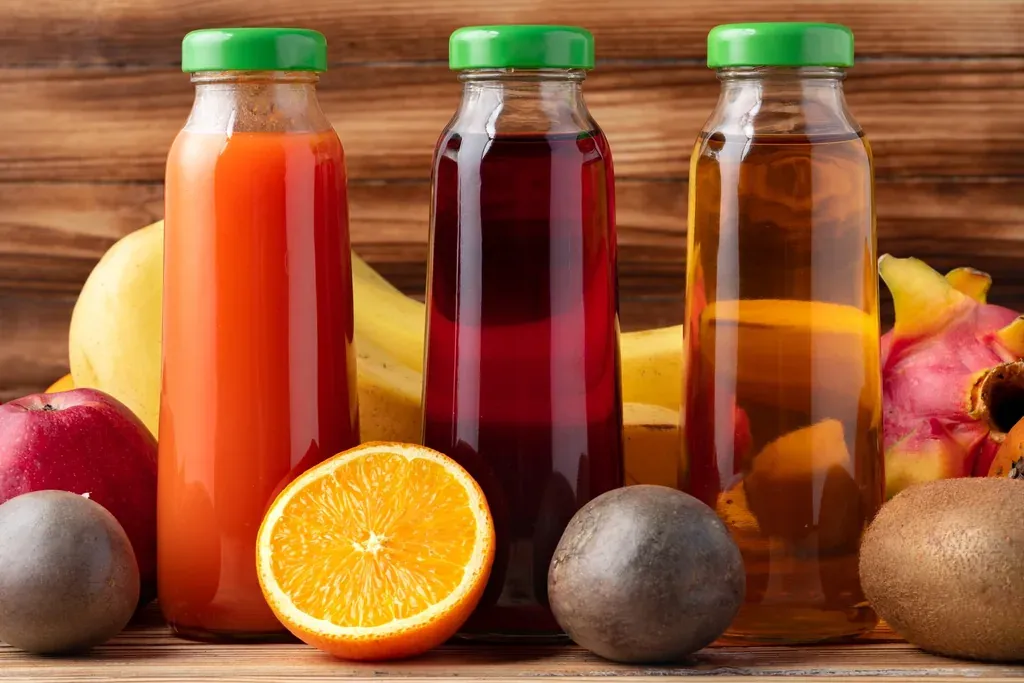
| Fruits and vegetables | 5 portions/day (French recommendation) — 80 g per portion | Juice at breakfast, fruit on cereal, smoothies, salads, steamed vegetables |
| Protein | 2 portions/day, i.e. 45 g for women and 55.5 g for men (more for athletes) | Meat or fish at the main meal, seeds and nuts on salads |
| Dairy products | 3 portions/day, i.e. 20 cl of milk, 30 g of cheese, or 1 yogurt | Cereal with milk, fromage blanc, fresh cheese on toast |
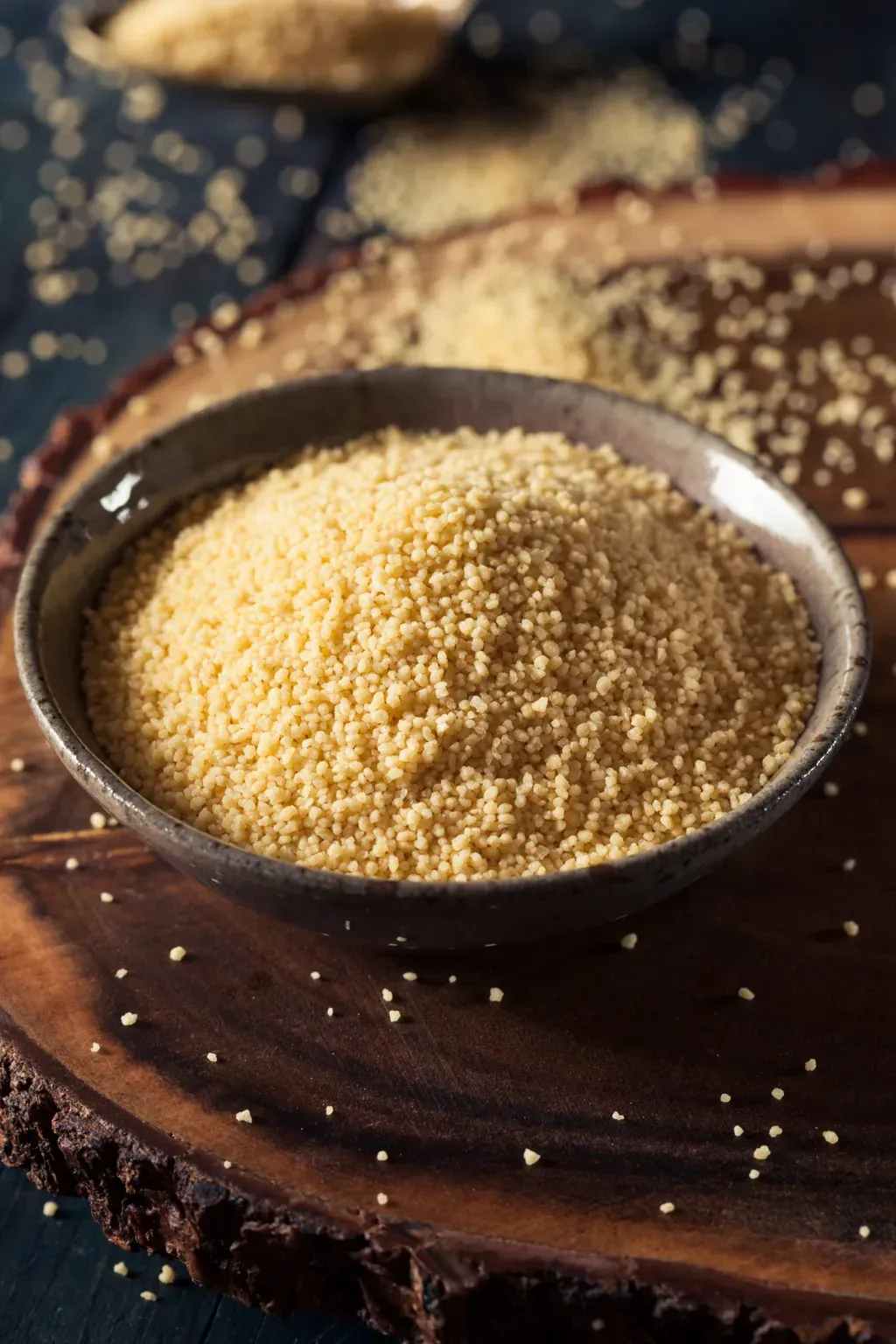
| Carbohydrates | A third of each meal; simple carbs under 10% of intake | Whole grain bread, legumes, brown rice, whole wheat pasta |
| Fats and salt | Unsaturated fats: a quarter of daily calories; salt: 1 teaspoon max/day | Oily fish, nuts, avocados, extra virgin olive oil |
Fruits and Vegetables
Rich in minerals and vitamins, low in fat, and packed with water, fruits and vegetables come with recommendations that vary by country: 5 portions a day in France, versus 4 portions of fruit, 5 of vegetables, and 2 of fiber according to the US Department of Agriculture (a portion of fruit or vegetables put at 80 g, a portion of fiber at about 25 g). People who don't tolerate lactose can also turn to dark leafy green vegetables for calcium.
Protein
Protein repairs nerve cells and contributes to muscle development; it also supports hair growth and nail growth. One portion of protein equals 2 eggs or 100 g of meat or fish, ideally eaten twice a week.
Dairy Products
Despite the controversy surrounding them, dairy products remain rich in calcium, which is vital for healthy teeth and bones, heartbeat, and muscle contractions. Semi-skimmed or fully skimmed milk remains a lighter option for anyone looking to cut back on fat.
Carbohydrates
Carbohydrates fall into simple, complex, and polyol categories. Simple carbs are cariogenic (tooth-decay-causing) and provide a source of excess calories — with the exception of fructose, an important source of nutrients and minerals — and should not exceed 10% of total energy intake. Complex carbs, found in lightly refined or whole grain products, are the ones to favor.
Fats, Unsaturated Fats, and Salt
The secret to good health remains eating a bit of everything, in moderation. One gram of fat equals 9 kcal: a food that is 20% fat is considered too rich, versus 5% for a low-fat food. Unsaturated fats, found in oily fish, nuts, avocados, and extra virgin olive oil, remain good for your health when they make up about a quarter of the calories consumed each day.
How to Succeed at Dietary Rebalancing
It's best to move forward gradually: rebalance only breakfast in the first week, snacks the following week, lunch in the third week, then dinner in the fourth week. Staying alert and distinguishing real hunger from a passing craving, drinking at least 1.5 L of water a day (ideally up to 3 L), and choosing flavored water over sodas round out the approach.
Dietary rebalancing doesn't aim for weight loss in itself, but for a diet that truly meets the body's needs, group by group.