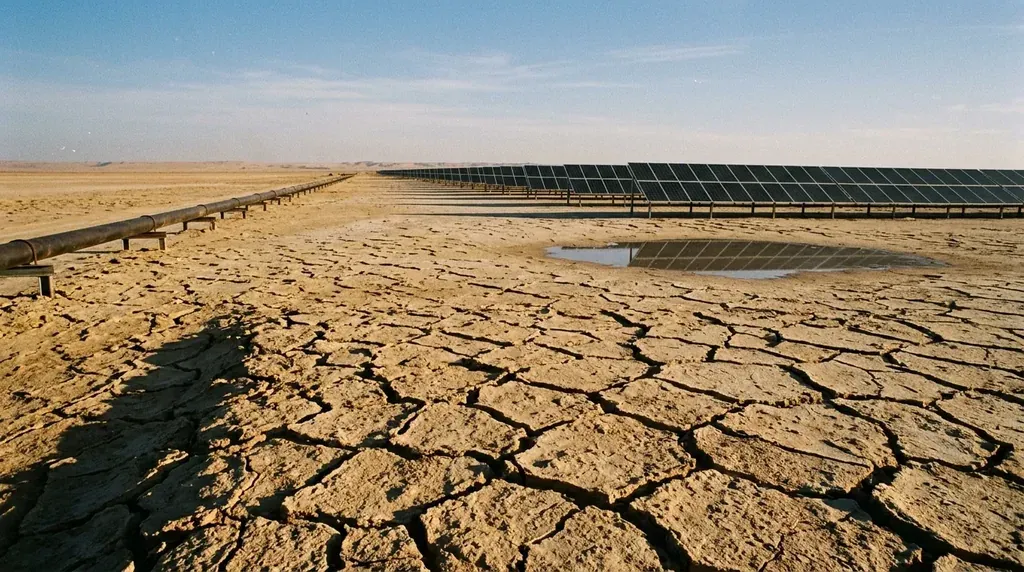
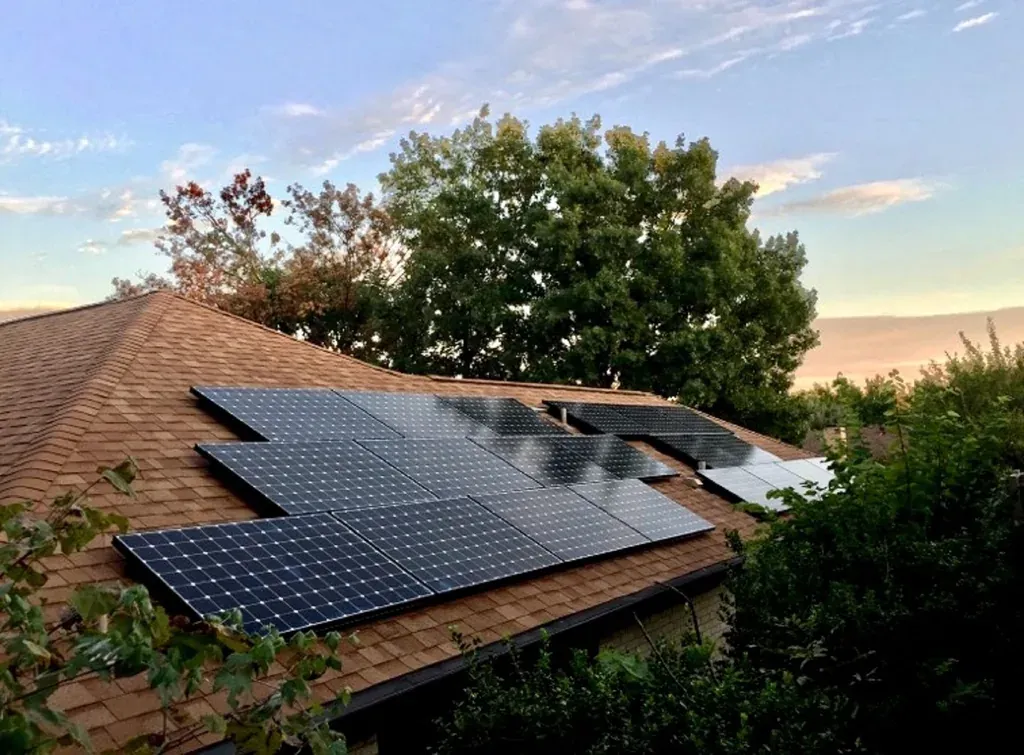
Tunisia's electricity deficit swings between 1,600 and 2,000 MW, a gap that widens further at peak hours, when demand climbs as high as 4,924 MW, not counting load shedding. Faced with this urgency, Tunisia is banking on private solar power to produce more and, above all, faster.
Why is production no longer keeping pace with demand?
During periods of extreme heat, electricity demand hits record peaks of 4,924 MW, not counting load shedding, a level Steg has been unable to meet.
The gap between available production and the country's real needs keeps widening. Estimates put that shortfall at between 1,600 MW and 2,000 MW.
This deficit shows itself most brutally at peak hours. During periods of extreme heat, electricity demand hits record peaks of 4,924 MW (not counting load shedding), a level Steg has been unable to meet.
What strategy is Tunisia pursuing?
The consequences of this situation are now well understood. In response, the strategy adopted rests on two complementary pillars.
The first is about managing electricity consumption. The second, presented as the priority, aims to boost production through private plants running on solar power.
How many new projects are expected, and at what pace?
The number of new solar projects announced, their production capacities and the speed expected of their rollout together form an urgent national challenge. That urgency stems from the sheer scale of the capacity leap the country must make, and the limited time available to make it.
What remains unclear is the exact measure: how many new facilities will come online, and on what precise timetable? The information available does not yet allow this to be pinned down with certainty. What does emerge, however, is a consensus on the need to move fast and produce far more than exists today.
This undertaking therefore commits the country on two fronts that feed into each other: saving the electricity already produced, and multiplying future solar capacity, even though a precise timetable cannot yet be set. What is at stake now is the number of new projects, their capacities, and the urgency of bringing them online.
Also on La Sultane
Chery Arrizo 8: the new premium saloon causing a sensation in Tunisia
Houita, the Benchmark for Farmed Fish in Tunisia