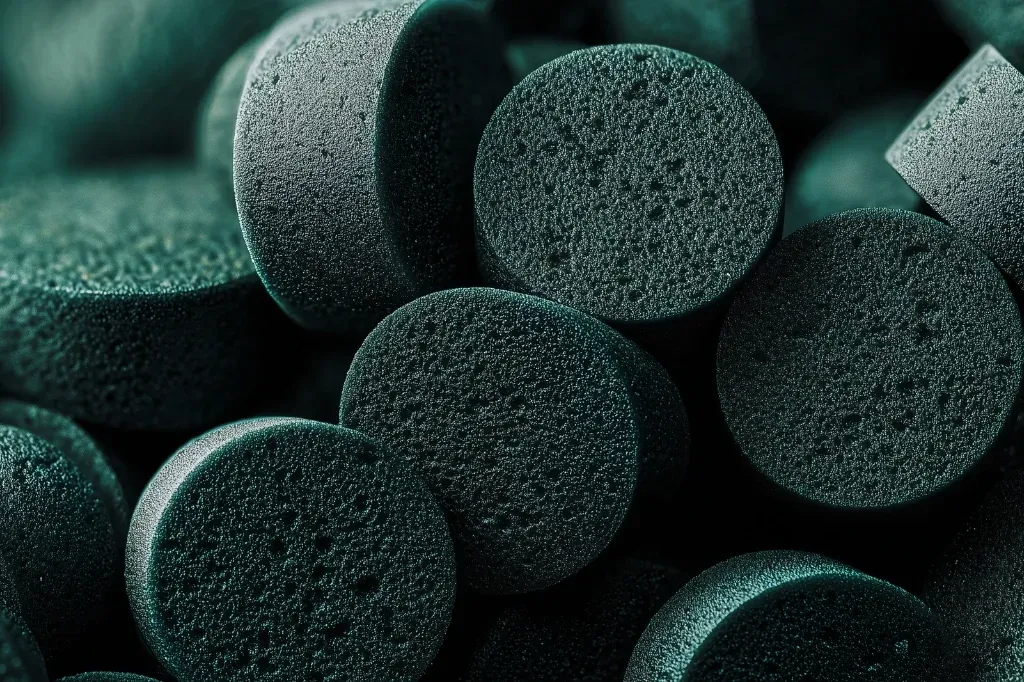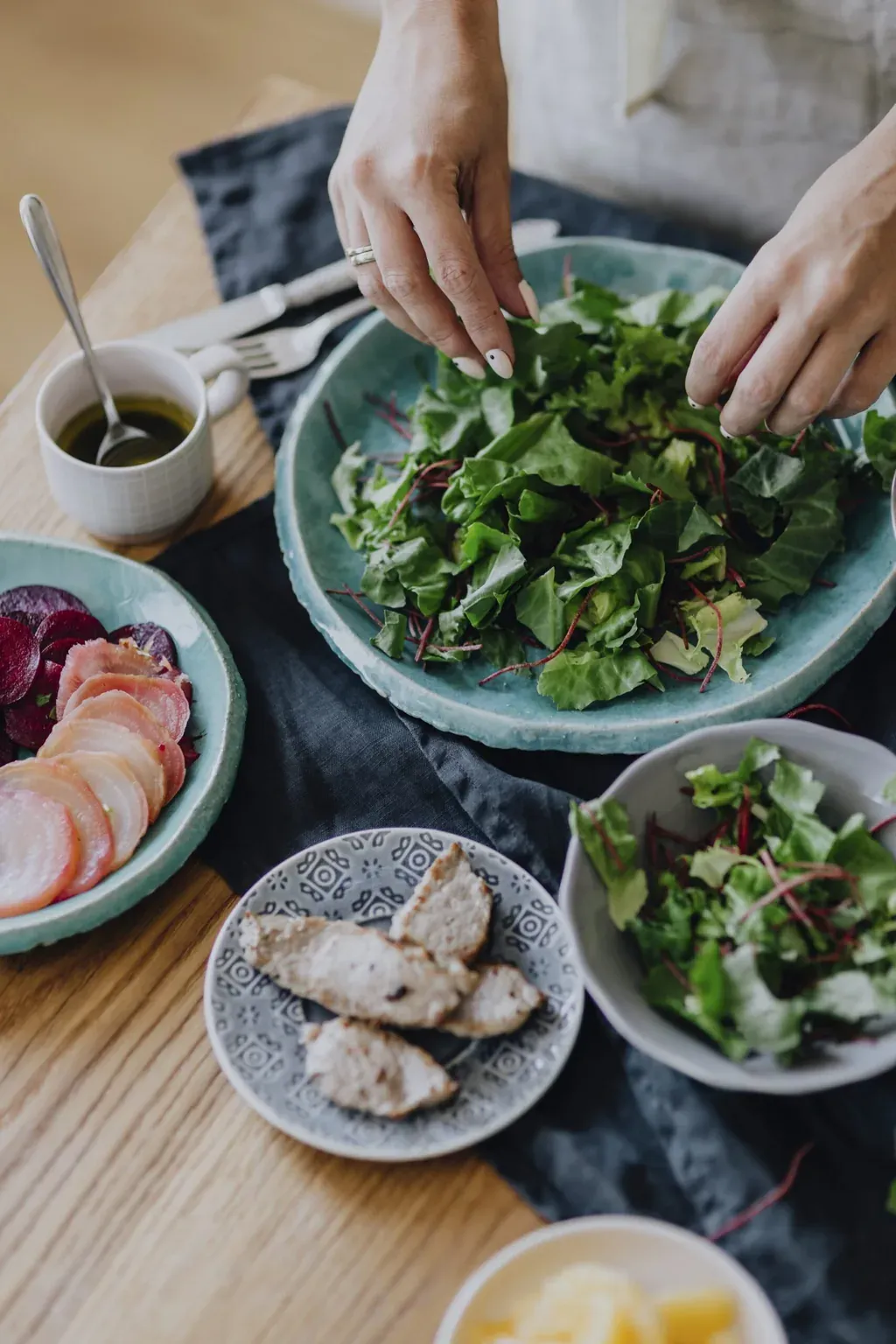
Spirulina, açaí, kale, chia seeds: these “superfoods” have won over the shelves and our plates for one simple reason — in a small volume, they concentrate a remarkable density of nutrients and antioxidants. Here is what they really bring to your health, and how to work them in without overturning your habits.
What exactly are superfoods?
The term “superfood” is not an official scientific category, but a shorthand for foods that are particularly rich in protective nutrients — vitamins, minerals, fibre, fatty acids, antioxidants — relative to the calories they provide. They do not replace a balanced diet: they strengthen it.
What benefits can you expect day to day?
Spirulina, to support the body's natural defences
This freshwater micro-algae is prized for its density in proteins, vitamins, minerals and antioxidants. It is traditionally used as a food supplement to support the body, particularly at the change of seasons — without standing in for medical advice where a deficiency has been established.
Açaí berries, allies of the cardiovascular system
Native to the Amazon, these small purple berries are rich in antioxidants, fibre and omega-3 fatty acids. These components take part in the fight against oxidative stress and in good blood circulation — two pillars of cardiovascular health preserved over the long term.
Kale, for bone strength
Rich in calcium, vitamin K and magnesium, kale supplies the key elements for maintaining bone. Working it regularly into your diet, in a salad or lightly pan-fried, takes part in preventing bones from weakening over time.
Chia seeds, for steady energy
Small but dense, these black seeds combine fibre, protein and omega-3. Their content in complex carbohydrates makes them a source of energy released gradually — useful for avoiding the middle-of-the-day energy dips. They slip easily into a smoothie, a yoghurt or a salad.
How do you work them in without complicating your life?
- Start small. Introduce one superfood at a time, in small quantities, to give your body time to adjust.
- Slip them into your usual recipes. Smoothies, salads, yoghurts, slow-cooked dishes: there is no need to reinvent everything.
- Vary your sources. Each superfood has its own nutritional profile — alternating avoids monotony and diversifies what you take in.
- Ask for advice if you need it. If you are on medical treatment, pregnant or following a particular diet, a healthcare professional remains the right person to talk to before adding a supplement.
Would you like to go further on the subject of spirulina? Our complete guide to spirulina and its virtues sets out dosages and precautions of use. And if it is end-of-day fatigue that concerns you, head for our feature Say stop to winter fatigue.