Natural skincare — this trend is steadily gaining ground in the beauty world. More and more, we are looking for healthy, ethical alternatives to conventional cosmetics. In practical terms, a natural routine rests on three steps — cleanse, moisturise, protect — tailored to your skin type (normal, oily, dry or combination) and to its condition at the time (sensitive, dehydrated or mature).
Natural Skincare: Understanding the Structure of Your Skin
The skin acts as a mirror of our lives, reflecting our age and our lifestyle. It is made up of three distinct layers:
- The Epidermis: The Protective Barrier
- Role: Acts as a barrier against microbes and harmful substances.
- Functions: Retains our body's moisture, vitamins, mineral salts and proteins.
- Regeneration: Overnight, the skin regenerates, repairing the damage caused by daily aggressors such as sun, cold and pollution. Hence the importance of cleansing it every evening to support this process.
- The Dermis: The Nourishing Layer
- Characteristics: Deeper and thicker than the epidermis.
- Functions: Home to the roots of body hair and scalp hair, containing the sebaceous glands that produce sebum, essential to the health of skin and hair. The sweat glands, which produce perspiration, are also found here.
- Importance: The dermis allows cosmetic oils and creams to be absorbed, triggering the skin's hydration.
- The Hypodermis: The Protective Layer
- Structure: A subcutaneous fatty layer, rich in fats and blood vessels.
- Role: Cushions the pressure the skin is subjected to and protects the body against temperature variations.
Identifying What Your Skin Needs for the Right Care
To choose the right beauty product, ask yourself these key questions:
- What specific needs does my skin have?
- What product texture would suit my skin best?
- What aesthetic look do I want to give my beauty product?
Bear in mind that skin type is genetically determined, and influenced by a range of factors such as age, hormones, pollution, stress, climate, lifestyle, fatigue and diet. Using unsuitable cosmetics can alter the skin's natural state.
Assessing and Determining Your Skin Type
Before determining your skin type, cleanse your face and stand in front of a mirror in full daylight. Carry out these checks:
- Touch test: Is your skin (a) smooth and firm, (b) thick and tacky, (c) rough and thin, (d) thick across the T-zone and thin over the rest of my face?
- Visual test: (a) My complexion is luminous with fairly tight pores, (b) My complexion is dull with visibly enlarged pores (blackheads, spots or blemishes), (c) My complexion is fair with possible redness, (d) My complexion is shiny across the T-zone with fairly enlarged pores (blackheads or spots) and matte over the rest of the face, where the pores are fairly tight.
- Sensation test: Do you feel (a) suppleness and comfort, (b) no particular discomfort, (c) discomfort and tightness across the whole face, (d) discomfort and tightness localised on the cheeks?
According to your observations:
- Mostly a: Normal skin, increasingly rare owing to environmental and social change.
- Mostly b: Oily skin, often hereditary, with cosmetic drawbacks that can ease with the right care.
- Mostly c: Dry skin, affecting around 30% of women, often with no visible pores but uncomfortable.
- Mostly d: Combination skin, oily across the T-zone and dry or normal elsewhere, the most common type among women.
| Skin type | Characteristics |
|---|---|
| Normal | Increasingly rare, owing to environmental and social change. |
| Oily | Often hereditary; the cosmetic drawbacks can ease with the right care. |
| Dry | Affects around 30% of women; often with no visible pores but uncomfortable. |
| Combination | Oily across the T-zone, dry or normal elsewhere; the most common type among women. |
Natural Skincare: Assessing the Condition of Your Skin
For natural skincare that truly suits you, it is crucial to assess your skin's current condition. Answer the following questions to understand its needs better:
- Tightness and Sensitivity
- Does your skin often feel tight after cleansing?
- Do you feel tightness throughout the day?
- Are there occasional or infrequent moments of tightness?
- Do you show constant signs of redness or sensitivity?
- Is your skin's sensitivity increasing?
- Blemishes and Wrinkles
- Does your skin show regular or occasional blemishes?
- Have you noticed expression lines, particularly around the eyes, or wrinkles that are deepening over time?
According to your answers:
- Mostly a: Sensitive skin, often affected by internal or external factors.
- Mostly b: Dehydrated skin, struggling to maintain its water balance.
- Mostly c: Mature skin, marked by a loss of elasticity and slackening.
- Multiple combinations: Your skin may show several of these tendencies, calling for a personalised approach.
Essential Rules for Skin in Full Health
Adopt these four rules for optimal skincare:
- Daily Cleansing
- Cleanse your face every evening to remove impurities and support overnight regeneration.
- Listening to Your Skin's Needs
- Respond to your skin's signals: moisturise it if it feels tight, or cut back on products if it looks shiny.
- A Healthy Diet
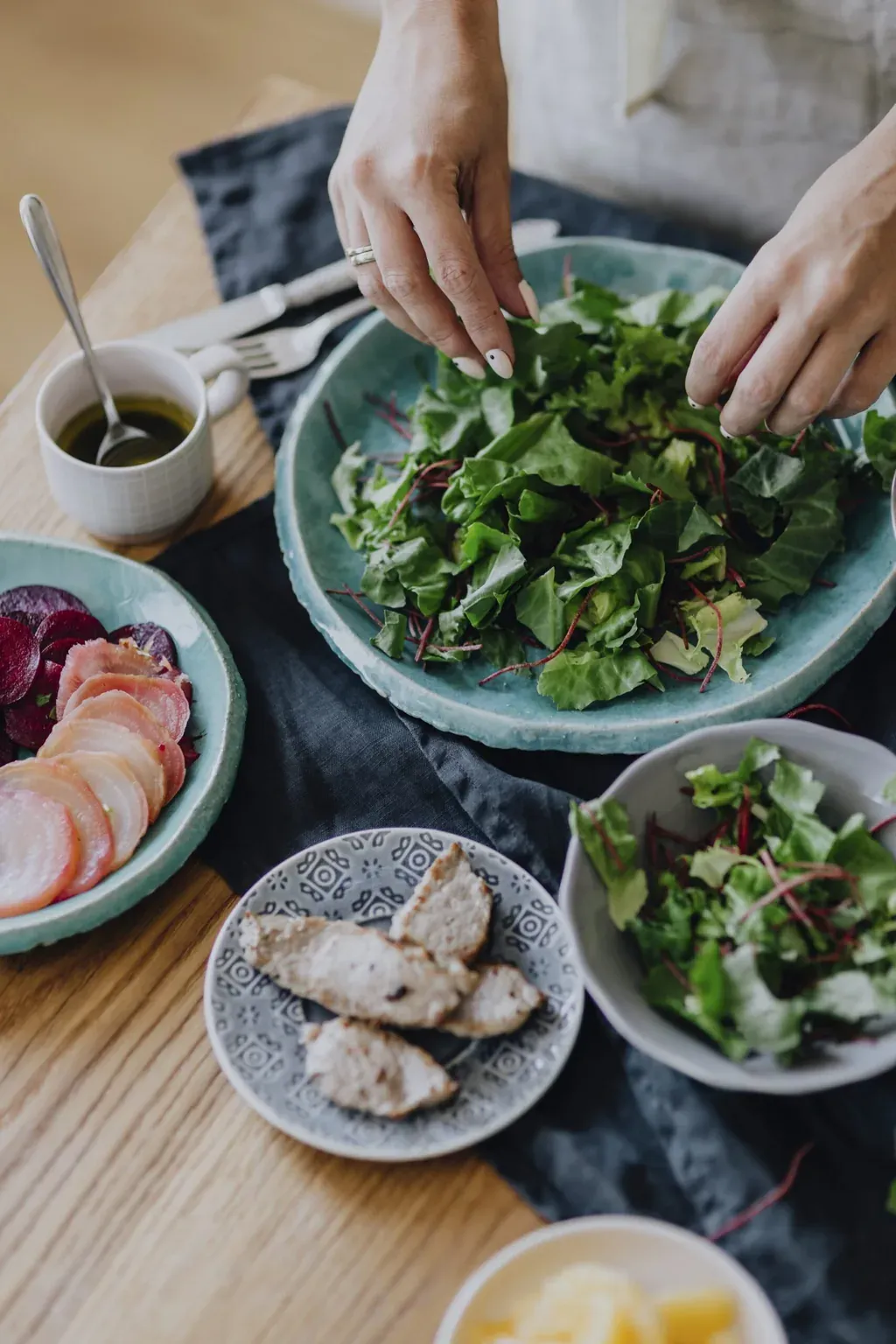
- Favour a diet rich in omega-3s and antioxidants for better skincare.
- Suitable Natural Ingredients
- Choose natural ingredients according to your skin type and the seasons.
Three Essential Steps for Beautiful Skin
To keep your skin healthy, bring these practices into your routine:
- Cleanse
- Use gentle cleansers that respect the skin's acid pH. Limit washing to once a day, except for very oily skin.
- Moisturise
- Preserve the integrity of the epidermis by using humectants and emollients to maintain hydration.
- Protect
- Protect your skin from climatic aggressors and UV rays, and encourage a good supply of antioxidants to counter ageing.
Conclusion
By following this natural skincare advice, you can not only improve your skin's current condition but also lay the foundations of lasting skin health. Whether your skin is sensitive, dehydrated, mature, or a combination of these states, a personalised and attentive approach is essential. By bringing in practices such as gentle cleansing, appropriate hydration and protection against environmental aggressors, you will encourage radiant, healthy skin. Remember that beauty begins with attentive self-care, and that every small gesture counts in your quest for a glowing complexion.