How do you truly seduce a man, beyond looks? What does it take to make him find you irresistible, psychologically and emotionally? And above all, how do you keep that attraction alive over the long run? The big question: why does a man in love sometimes grow distant and lose interest?
Relationship dynamics show that certain things fascinate men, and they aren't always what you'd expect. Over the course of a relationship, a man may fumble here and there, and emotional outbursts, worry, or anger can set off alarm bells for him. If he makes you angry, tell him so — once the inner storm has passed — but healthy relationships are a far better bet than soap-opera drama. Men dread repeated storms: early on, out of love, they weather them, but over time they end up running from them. Here's what you need to understand to seduce a man for the long haul.
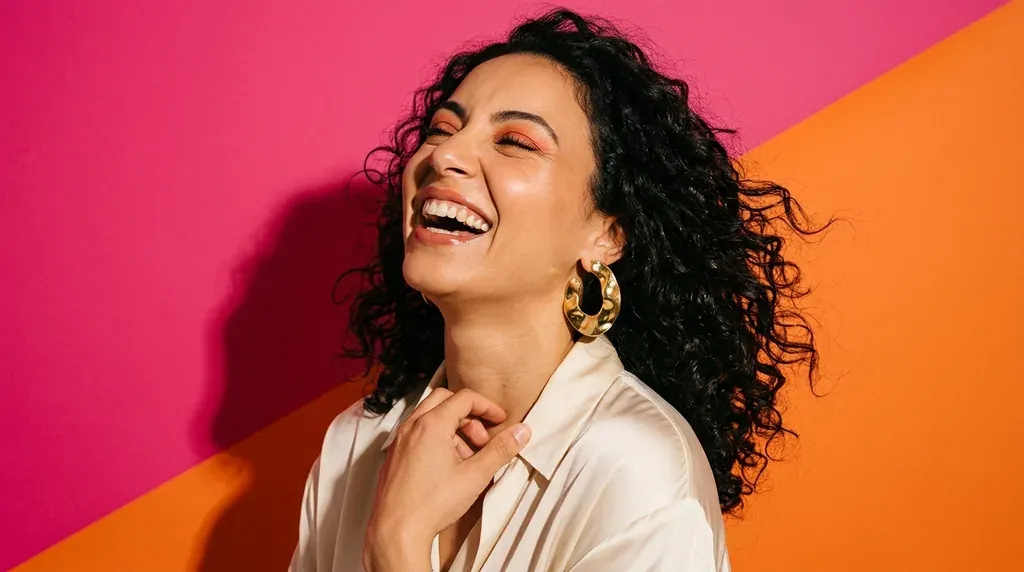
What draws men in: the lightness of early encounters, the freshness of a smile. Men appreciate when you laugh at their jokes — it confirms they're funny and clever, and it makes them feel valued.
Affection
Men love being cared for, cajoled, and spoiled — as long as it's never overdone: that way, they'll always appreciate the effort put into them, without ever taking it for granted.
The Importance of Freshness When Seducing
When it comes to seduction, we often focus on looks, clothes, and figure. But appearance doesn't count for as much as we think: the real difference lies in behavior. Men fall for women with pep — freshness, a mindset built on a certain candor, is what seduces. Many women, overwhelmed by obligations and a heavy mental load, find their way of being affected by it. To seduce a man and keep him, it's better to stay pleasant (not docile, not servile), to laugh with him as much as possible — and sometimes at him, and at yourself.
Avoiding Emotional Excess
Everyday stress, hormones, and fatigue all affect mood. Sharing what's troubling you with your partner is entirely reasonable, as long as it isn't overdone: men don't like feeling overwhelmed by someone else's emotions. They like being there to support, but when they sense they can't help, they feel powerless and sometimes frustrated — men and women don't process emotions the same way, with men more prone to withdraw into themselves before resurfacing once the storm has passed.
Non-Verbal Communication
Communication experts explain that words alone convey only about 7% of a message: body language is said to account for 55%, and vocal tone for 38%. In other words, most of what we communicate travels through channels other than words. Knowing how to carry yourself and master your tone of voice can be learned, just like speech itself — just watch the impact of great orators to see how much we can overlook in the way we communicate.
Patience
Patience is a great virtue: it's not about taking things lightly, but about handling them with lightness. Impatience breeds needless frustration that turns into irritability, in an endless vicious circle. Expressing displeasure is still fine, but once you've calmed down, you need to know how to let go. Men place great importance on the goals they set for themselves: a woman who shows restraint gives them the sense that they've found someone able to adapt and support them in their pursuits.
Seduction Through Appearance
Having a pleasant physique is never a bad thing, but contrary to popular belief, men aren't looking for movie-star lookalikes. What they seem to appreciate most is a healthy look — nice hair, a clear complexion, white teeth — assets that reflect good health more than conformity to a beauty standard. The beauty men are truly drawn to seems to be the outward expression of femininity: the combination of inner beauty and a healthy appearance, rather than a quest for admiration or approval.
Emotional Intelligence
Emotional intelligence is the ability to use your feelings, understand your own emotions and those of others, master your impulses, and manage conflict. It can be acquired and developed, notably through training or therapy. A woman with well-developed emotional intelligence would know how to respond effectively to changes within a relationship, making it a particularly appealing quality — one that guarantees a certain stability.
Needing Versus Wanting
There's a difference between being attracted to someone, caring about them, and loving them. Loving translates into wanting to make the other person happy — an active stance, oriented toward action rather than waiting. Needing the other person, by contrast, reflects a certain passivity and dependence, which weighs on them without necessarily pleasing them. A relationship blossoms first for oneself; being liked comes after, as an added bonus.
Integrity
A woman anchored in real values is like a lighthouse signaling to a man that he's arrived at safe harbor. Values define a philosophy of life, a way of seeing and doing things, the boundaries not to be crossed. They nourish self-esteem and shape personality — if there were only one thing to show, it would be this: people either resonate with them or they don't, but they always have a real effect on others.
93% of what we communicate is said to travel through body language and tone of voice — the words themselves make up only a tiny fraction of the message.