In Tunisia, social media has become a space where words flow unfiltered, freed from the constraints of face-to-face conversation. Behind the screen, frustrations and demands are voiced without hesitation, turning these platforms into a mirror of collective wounds. Yet this freedom comes at a cost: polarisation, radicalisation, and the slow exhaustion of minds.
Why does social media unleash such raw expression?
Screens are neither villains nor saviours—just mirrors.
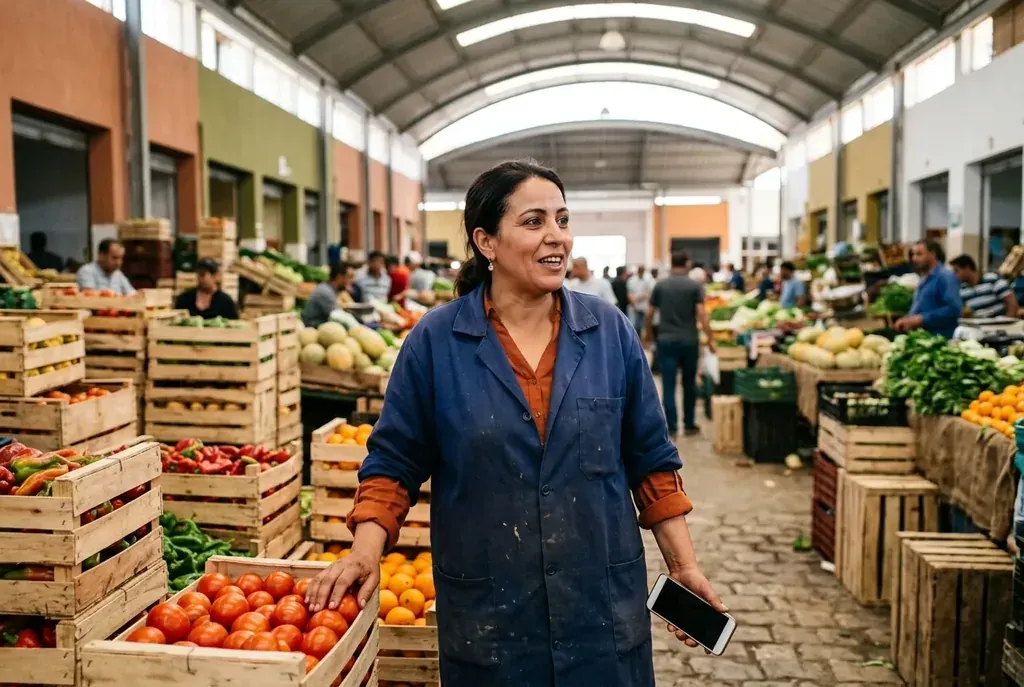
In Tunisia, as in many societies, digital identity doesn’t always align with real-life persona. Behind a screen, the weight of others’ judgment fades. You dare to take stands you’d soften—or silence—over coffee or in a crowded room. This gap isn’t unique to Tunisia, but here it resonates deeply: collective taboos, often hushed in public, resurface online with startling candour.
Physical distance plays a crucial role. Without eye contact or immediate reactions, social filters dissolve. Social media becomes an outlet where frustrations, doubts, and demands spill out unchecked. Words that would be tempered by fear of judgment in person are unleashed without restraint.
What happens when public debate moves online?
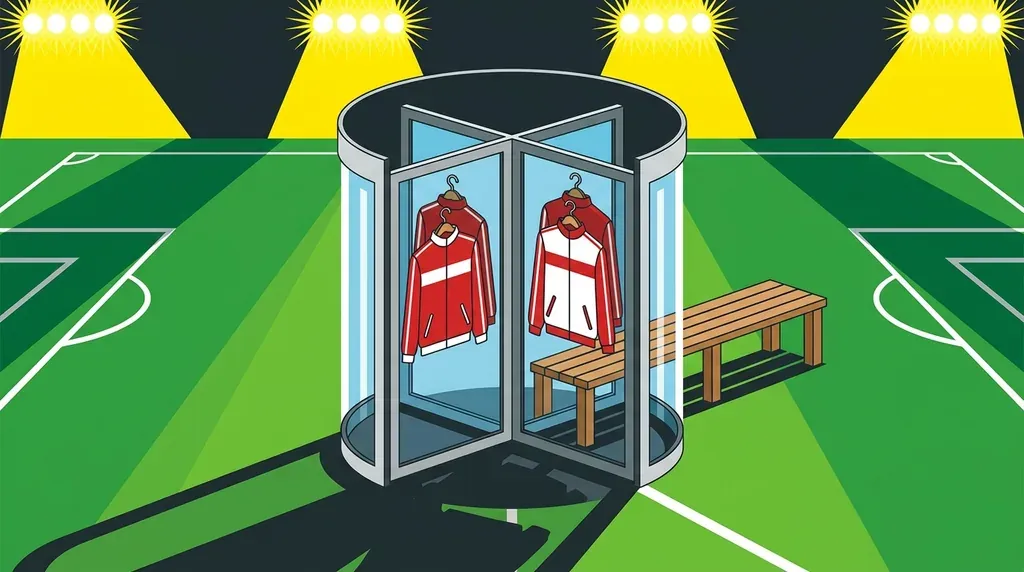
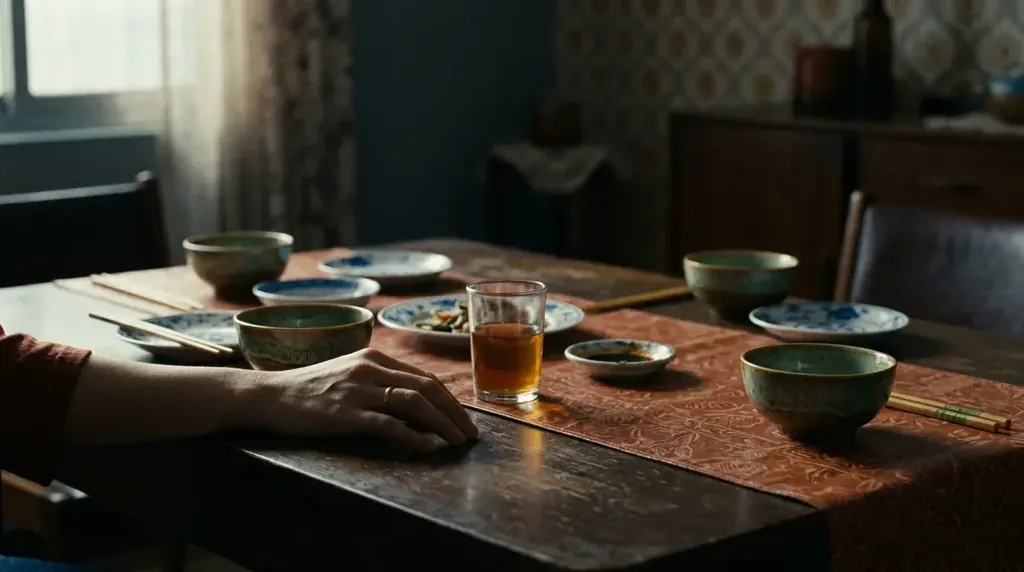
When social media becomes the main stage for discussion, public debate turns into a never-ending spectacle. Disagreements, once hashed out around a table or in the town square, morph into unnuanced clashes. Every topic, no matter how trivial, risks tipping into polarisation: positions harden, subtleties vanish, and the other side becomes an enemy to defeat, not a voice to engage. This dynamic drains energy, demanding constant vigilance—as if every post could spark a storm.
A society that settles its conflicts online also risks sealing itself into echo chambers. Algorithms amplify similar views, creating feedback loops where disagreement isn’t heard but attacked. Collective fatigue sets in: between notifications, controversies, and the pressure to react instantly, dialogue shrinks to knee-jerk reactions. When collective wounds find no space to heal beyond the screen, the very ability to understand one another frays.
How can we keep social media a space for dialogue, not division?
In Tunisia, as one recent reflection notes, digital identity doesn’t always match the everyday self. Behind a screen, words slip past the usual social filters, and what would be nuanced in person can turn sharp. To stop social media from becoming a permanent battleground, start by applying the same rules of respect you’d use in real conversation: pause before hitting post, try to understand before replying.
A society that only tends to its wounds online risks making them worse. Instead of letting debates sink into anonymity or escalation, seek spaces where dialogue still thrives: small groups, live exchanges, or even a quick fact-check before sharing. The screen doesn’t erase the humanity of those on the other side.
So how do we turn these platforms into places where wounds heal instead of festering? Perhaps by treating them like a conversation with friends: listen before responding, question before judging, and accept that some hurts take time to mend. Screens are neither enemies nor saviours—just mirrors. It’s up to us to decide what we reflect: fractures, or the bridges we build, one click at a time.
You might also like
Chery Arrizo 8: Tunisia’s Premium Sedan Sensation
Houita: Tunisia’s Benchmark in Farmed Fish