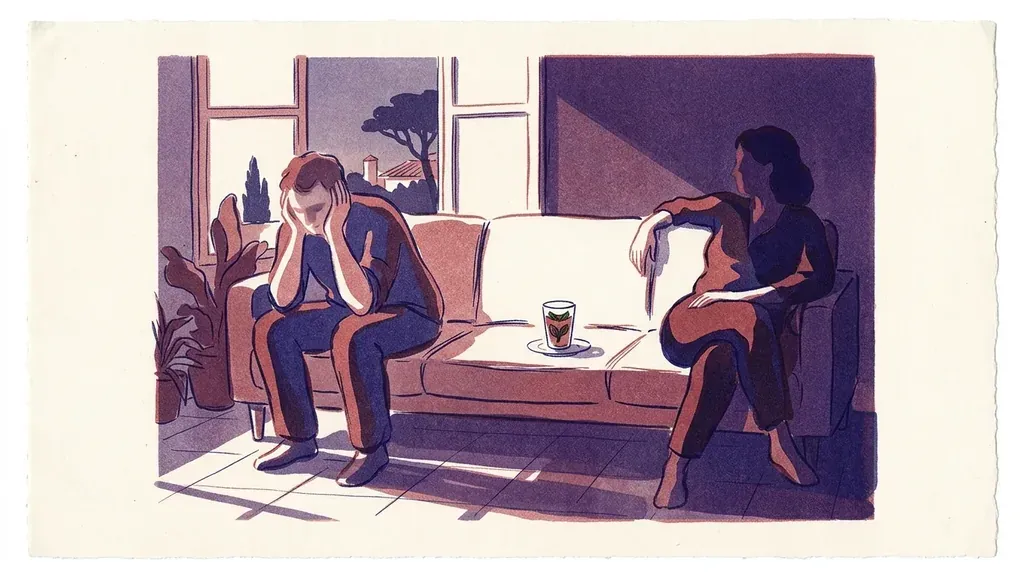
Taiwan’s beloved screen icon Shu Qi marks her directorial debut with *Girl*, a film that transcends a mere career pivot. This move behind the camera extends her acting journey into a visual narrative where silence speaks louder than words. Now showing in Tunisian cinemas, it’s an intimate dive into family unspoken, where every detail carries weight.
Why has Shu Qi stepped behind the camera?
By choosing to film silence over screams, she reminds us that the stories that truly matter are those brave enough to hold back—to speak volumes in the quiet.
Shu Qi, widely celebrated as Taiwan’s most iconic actress of her generation, now takes a defining leap. This transition isn’t whimsical but the culmination of years spent observing and collaborating with cinema’s greatest directors. Behind the camera, she doesn’t abandon her past as an actress; she extends it through a fresh perspective, where every frame becomes an extension of her experience.
With *Girl*, Shu Qi fully embraces her role as a storyteller. The film isn’t just a stylistic exercise but the fruition of her lifelong reflection on visual storytelling, shaped by decades in front of the lens. For her, directing isn’t uncharted territory—it’s a new way to engage with audiences, finally wielding every tool of narrative with mastery.
What does *Girl* reveal about family relationships?
Shu Qi holds up a mirror to intimate dynamics, exploring the family as a landscape of tension—just as she did in her early films. Here, there’s no idealised portrait: bonds unfold through heavy silences, unmet expectations, and small gestures that betray love despite everything. The film sidesteps melodrama to capture the complexity of roles—mother, daughter, sister—where each person searches for their place without always daring to voice it.
This choice isn’t incidental. By centring *Girl* on these everyday conflicts, Shu Qi aligns with a cinematic tradition where family becomes a reflection of societal unspoken. No grand dramas, just an accumulation of telling details: averted eyes, a half-slammed door. Far from clichés, she shows how these relationships shape us far more than grand speeches ever could.
How does this debut film redefine her legacy?
Shu Qi, widely celebrated as Taiwan’s most iconic actress of her generation, takes a defining step with *Girl*. This move behind the camera isn’t just a detour—it reinterprets her on-screen journey. By choosing to tell an intimate story, she transforms her iconic aura into a narrative voice, offering a fresh lens on her own legacy.
The film doesn’t just extend her public image—it questions and reshapes it, as if Shu Qi is inviting audiences to rediscover what made her legendary. Here, direction becomes a mirror held up to her past roles, while also opening a door to creativity unbound by expectations. It’s an elegant way to prove her talent isn’t confined to embodying characters—she now creates them.
With *Girl*, Shu Qi doesn’t just sign her first film—she delivers a masterclass in cinema where the personal becomes universal. By choosing to film silence over screams, she reminds us that the stories that truly matter are those brave enough to hold back, to speak volumes in the quiet. Perhaps that’s the most beautiful legacy of all: turning a career into a conversation, where every viewer finds echoes of their own family, their own unspoken. Now it’s your turn to step into this *Girl*—she’s waiting in cinemas, with all the restraint and power of a director who knows, better than anyone, the weight of unnecessary words.