Tunisia’s landscape is rich with medicinal plants whose benefits have been cherished for centuries. Chamomile, mugwort and ginger now find their way into our daily wellness routines, marrying age-old wisdom with a natural approach to health. Learn how to grow and use them for everyday vitality, bridging heritage and contemporary living.
Which Tunisian medicinal plants can you grow at home for daily well-being?
The same plant can soothe or harm, depending on dosage or preparation.
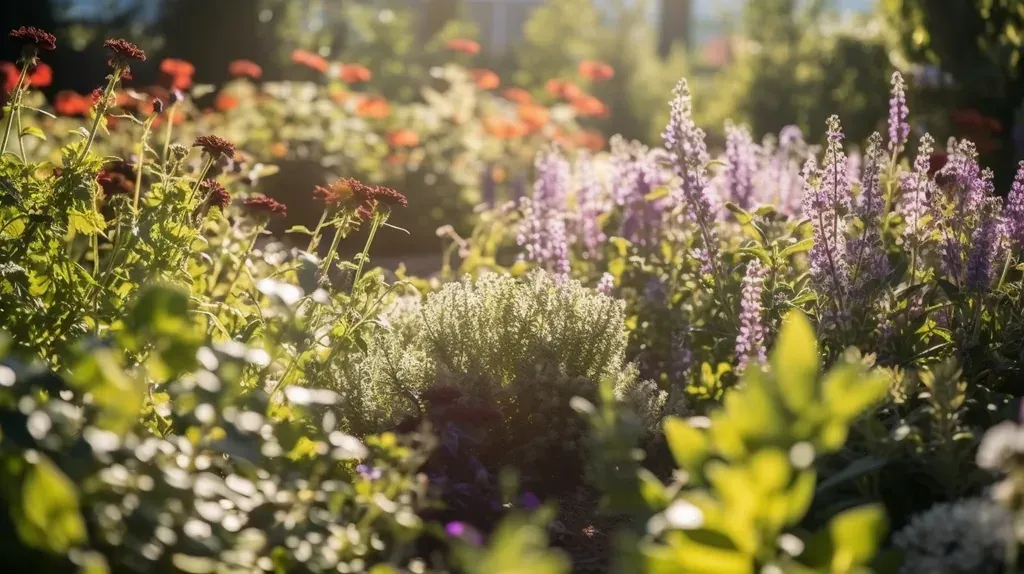
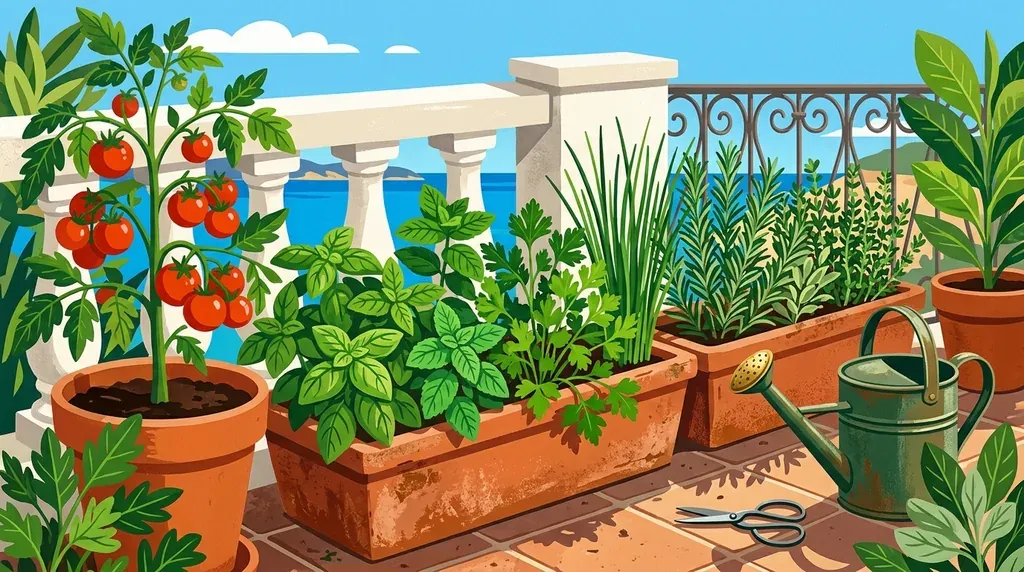
They thrive with minimal care and flourish in a simple window box just 15 to 22 cm wide: Mediterranean aromatic and medicinal plants turn your home into a space that’s both beautiful and practical. Opt for terracotta pots to regulate moisture, or lightweight plastic containers if you prefer, taking care to shield roots from Tunisia’s scorching sun. Pruning in February, then again after flowering, is said to encourage growth, keep plants compact and extend their vitality.
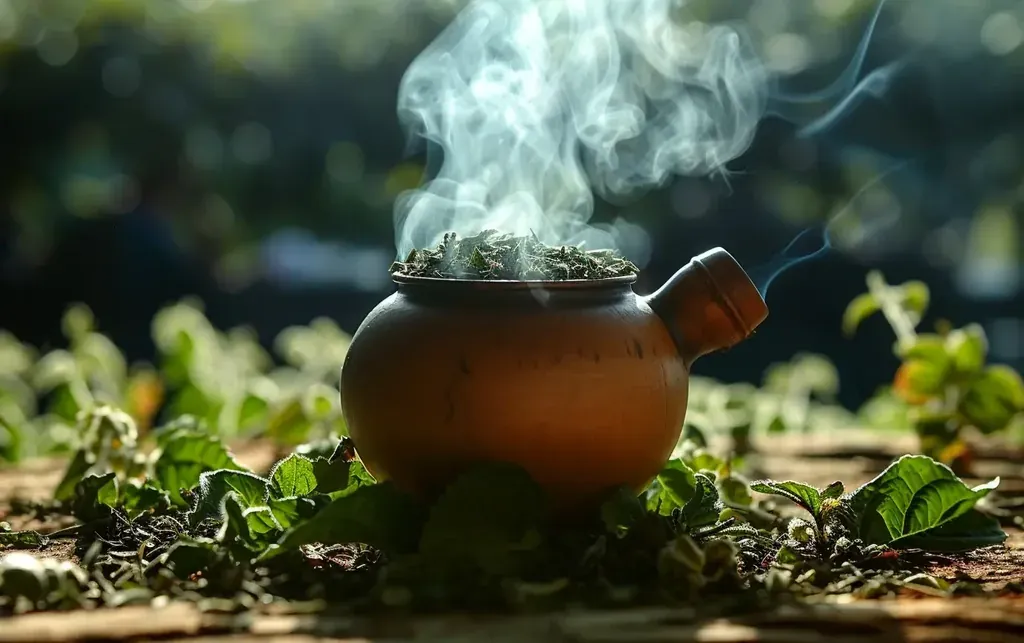
Among them, mugwort—a lesser-known herb with digestive and tonic properties—can become part of your wellness ritual. A leaf infusion in the evening may ease digestion or prepare your body for restful sleep. Easy to grow, these plants become daily allies: their fragrance fills the air while their natural benefits enhance your teas and self-care routines, bringing a touch of greenery and calm within reach.
Phytotherapy: how do Tunisia’s traditions fit into a modern approach to health?
Phytotherapy draws on millennia-old knowledge, where medicinal plants were used to prevent and relieve everyday ailments. In Tunisia, this practice relies on local species with proven benefits, such as chamomile for its calming effects or ginger to aid digestion. Passed down through generations, these remedies now resonate with natural health approaches—though they should never replace medical advice.
Embracing phytotherapy means choosing a gentle therapy that harnesses the active compounds in plants. Whether as teas, essential oils or concentrated extracts, these remedies can be part of a modern lifestyle—provided you follow proper guidelines. Green tea, for instance, is prized for its antioxidants, while peppermint and ginger make a powerful duo for digestive wellness.
Peppermint, chamomile, ginger… How do these plants support digestion and energy?
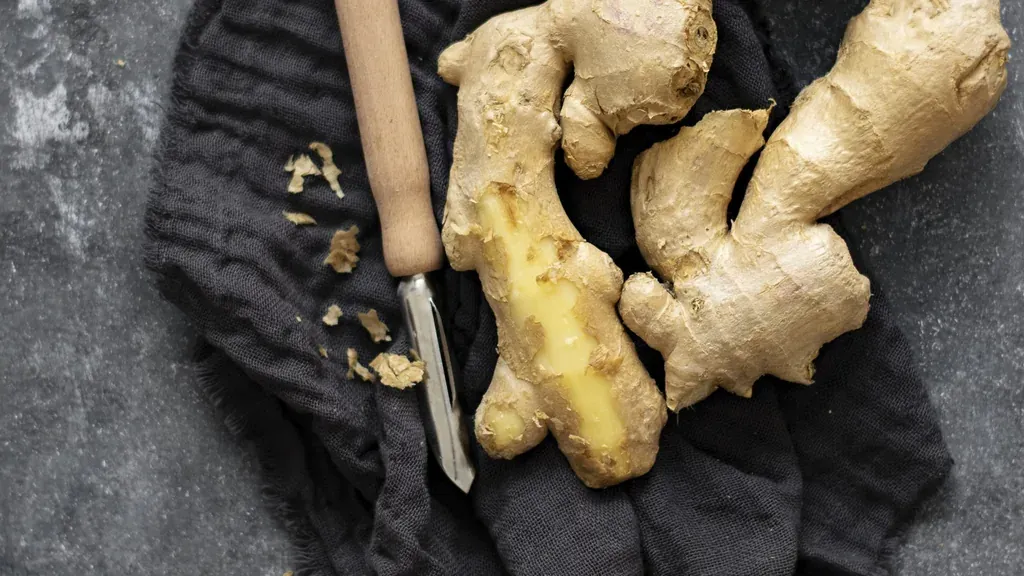
Peppermint, a staple in Tunisian gardens, soothes tired stomachs. Steep fresh leaves in hot water to ease bloating and nausea—a cup after meals can restore that much-needed lightness. Ginger, meanwhile, stimulates gastric juices: grate a piece into a hot drink to kick-start sluggish digestion. Together, they form a natural pairing for daily digestive comfort.
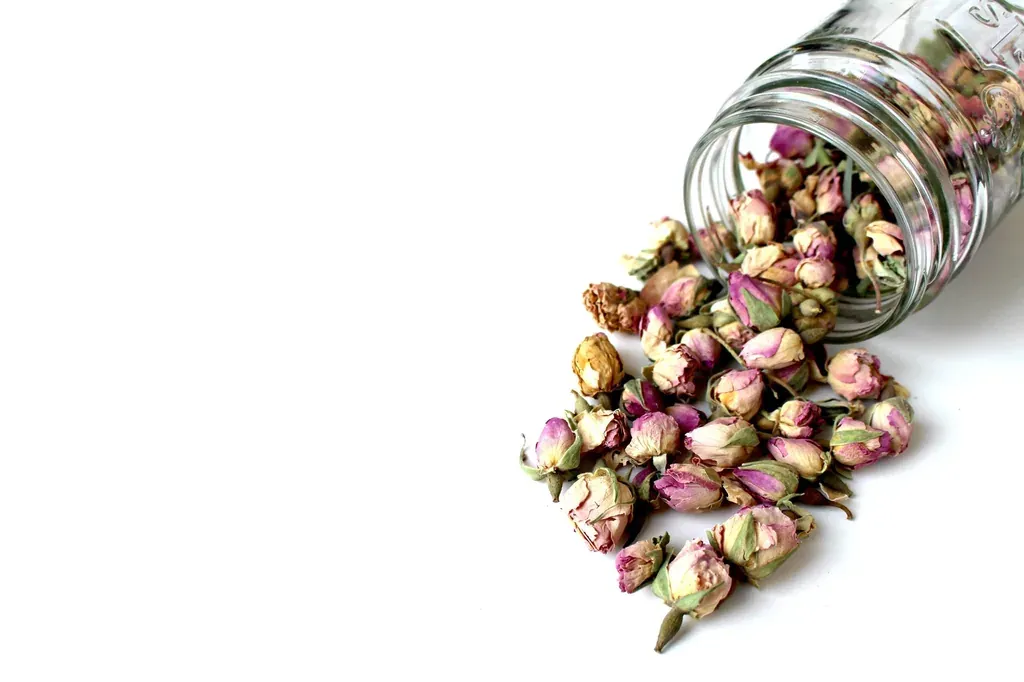
Chamomile, on the other hand, calms intestinal irritation and may promote restful sleep. A bedtime infusion helps you drift off peacefully. Used for centuries in Tunisia and beyond, these plants offer simple ways to balance your energy. Why not make them part of your wellness rituals?
Medicinal plants: what precautions should you take to use them safely?
The same plant can heal or harm, depending on dosage or preparation. Some species, listed as toxic, are used in Tunisian traditional medicine for their benefits—but require extreme caution. A misjudged dose or interaction with medication can turn a remedy into a risk. Self-medicating without expert guidance is best avoided.
Consulting a healthcare professional remains the golden rule, even when opting for natural solutions. While therapeutic plants are valuable for preventing or easing certain conditions, they don’t replace a medical diagnosis. Their effectiveness depends on proper use, and safety is never guaranteed. When in doubt, always seek advice from a doctor or qualified herbalist.
These plants, tenderly nurtured by our grandmothers, are far more than relics of the past. They embody living wisdom, where every leaf and root carries the scent of Tunisian soil and the promise of restored balance. By weaving them into your daily life, you’re not just choosing a more natural path to health—you’re connecting with a tradition that has spanned centuries, adapting it to your own rhythm. So next time you sip chamomile tea or breathe in the intoxicating aroma of fresh peppermint, remember: these simple acts are also a tribute to those who came before you, who knew how to listen to nature’s whispers.