"Fashion is not something that exists only in clothes. Fashion is in the air, borne on the wind. You can feel it. Fashion is in the sky, in the street; fashion has to do with ideas, the way we live, what is happening." Coco Chanel
So begins our journey into the heart of traditional Tunisian fashion. A heritage rich with over a thousand years of history, art and culture. Far from getting lost in global uniformity, Tunisia is today celebrating the awakening of its sartorial heritage. A living treasure that weaves together past and present.
Traditional Tunisian fashion, with its distinctive colours, textures and patterns, stands as proud testimony to Tunisian identity. From the bustling alleyways of Tunis to the wild stretches of the Sahara, every garment tells a story of communities, traditions and a beauty that defies time.
History and Evolution
Origins of Traditional Tunisian Fashion
Traditional Tunisian fashion draws its roots from a distant past, where every woven thread told a story, and every colour and pattern reflected the country's cultural and geographic diversity. From the fertile plains of the North to the arid deserts of the South, Tunisian identity found expression through a palette of unique garments. These pieces, far more than mere outfits, symbolised social status, region of origin, and even specific occasions.
Evolution Over Time
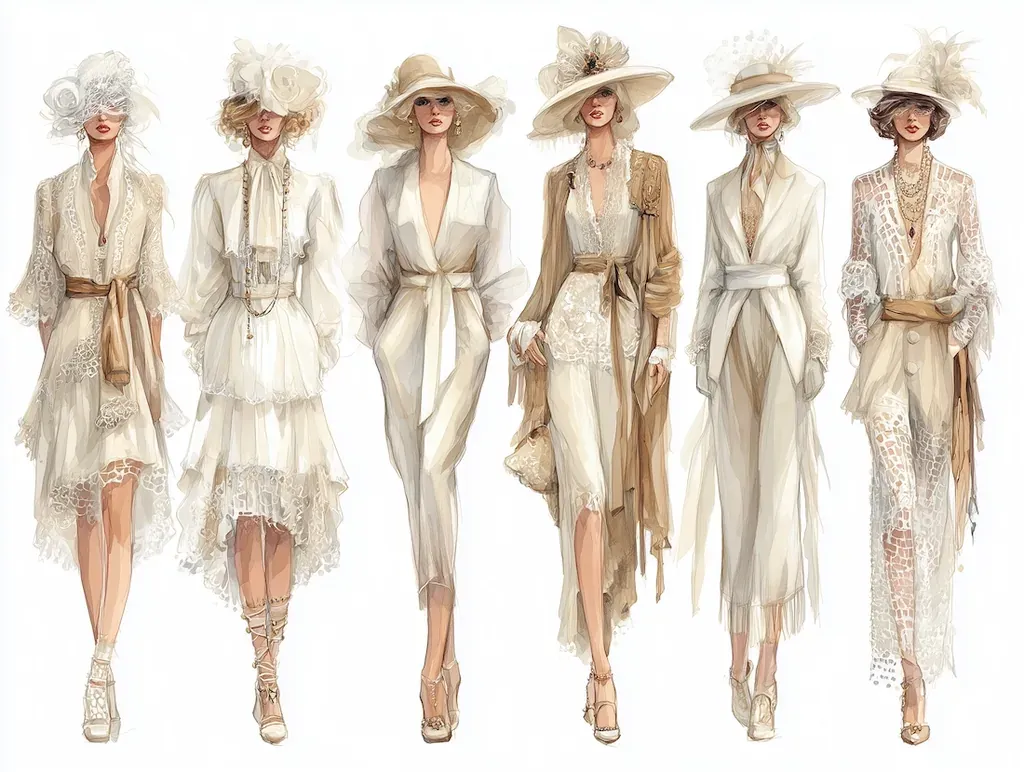
Over time, traditional Tunisian fashion has embraced waves of change, skilfully weaving together the old and the new. From the earliest trade interactions with Europe, Africa and the Middle East, right through to the impact of globalisation, Tunisian fashion has managed to evolve while keeping its essence intact. Today it embodies a perfect balance between heritage and innovation. Tunisian designers, inspired by the richness of their heritage, are reinventing traditional garments, adapting them to contemporary tastes without diluting their soul.
Description of Traditional Garments
Men's Clothing
In the Tunisian men's wardrobe, the burnous, the chéchia, and the jebba stand out as symbols of elegance and identity. The burnous, a loose wool cape, offers warmth and protection, reflecting values of simplicity and dignity. The chéchia, a felted red cap, is both a cultural artefact and an emblem of belonging. The jebba, a loose-fitting tunic, showcases the finesse of local craftsmanship through its delicate embroidery. It underscores the status and refinement of its wearer. Together, these pieces tell the story of a society that values respect for tradition.
Women's Clothing
The traditional Tunisian women's wardrobe is a world of colours, textures and patterns, each carrying its own meaning. Materials range from simple cotton to luxurious silks, each carefully chosen for its function and occasion. The patterns, often inspired by nature or geometric symbols, are the fruit of know-how passed down from generation to generation. Embroidery, a central element, is an expression of identity and belonging. Pieces such as the mousseline and the bakhnoug are not merely garments. They are genuine works of art, bearing witness to the cultural richness and ingenuity of Tunisian women.
| Garment | Category | Description (per the article) |
|---|---|---|
| Burnous | Men's | Loose wool cape, warmth and protection; reflects values of simplicity and dignity. |
| Chéchia | Men's | Felted red cap; cultural artefact and emblem of belonging. |
| Jebba | Men's | Loose tunic with delicate embroidery; a mark of status and refinement. |
| Mousseline | Women's | An emblematic piece of the women's wardrobe; described as a work of art bearing witness to the cultural richness and ingenuity of Tunisian women. |
| Bakhnoug | Women's | An emblematic piece of the women's wardrobe; described as a work of art bearing witness to the cultural richness and ingenuity of Tunisian women. |
Read also: Ennejma Ezzahra: Cultural Heritage of Rodolphe d'Erlanger
The Impact of Globalisation on Traditional Tunisian Fashion
Towards Uniformity?
Globalisation touches every aspect of our lives, including traditional Tunisian fashion. This era of worldwide connectivity brings with it the risk of uniformity. Indeed, distinct, local styles risk fading away in favour of global trends. However, this phenomenon also opens up unique opportunities. Today, Tunisian designers have access to a global market. They allow the richness of traditional Tunisian fashion to shine on the international stage. This heightened visibility fuels a renewed interest in tradition, turning challenges into vehicles for promoting and showcasing Tunisian identity.
Preserving Traditions
In the face of uniformity, Tunisia is redoubling its efforts to preserve its traditional garments, witnesses to its rich and diverse cultural heritage. A range of initiatives, from exhibitions by local craftspeople to collaborations with contemporary designers, illustrate this commitment. These projects showcase traditional Tunisian fashion not only as a heritage to be safeguarded, but also as a source of inspiration for innovation in sustainable fashion. Through these actions, Tunisia demonstrates that tradition and modernity can not only coexist but reinforce one another. In this way, the impact of globalisation on traditional Tunisian fashion is not only neutralised, but celebrated.
The Revival of Traditional Tunisian Fashion
A New Appreciation for Handcraft and Sustainable Fashion
In the wake of globalisation, a vibrant movement towards appreciating handcraft and sustainable fashion is taking shape, leaving a deep mark on traditional Tunisian fashion. This revival, driven by an ecological awareness and a quest for authenticity, resonates strongly with young Tunisian designers. They are rediscovering the intrinsic value of craftsmanship, celebrating time-honoured techniques while meeting the demands of sustainability. This momentum is breathing new life into traditional Tunisian fashion, making it more relevant and desirable than ever in our contemporary world.
Modernisation and Creativity
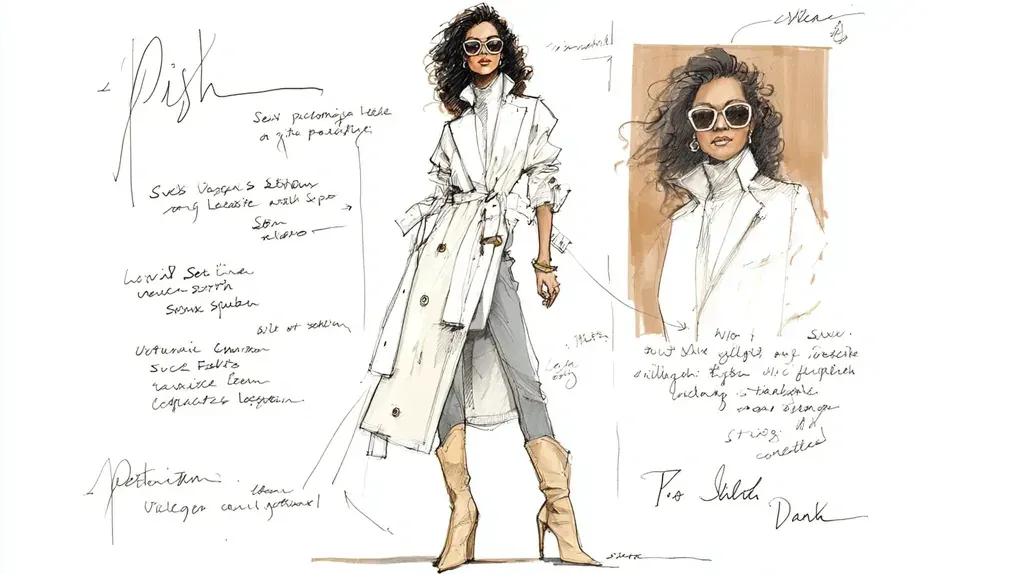
Traditional Tunisian fashion is also flourishing thanks to the modernisation and creativity of its artisans and designers. Inspired by legends such as Azzedine Alaïa, these Tunisian designers skilfully blend tradition and innovation. They are rethinking traditional garments, adapting them to today's lifestyles while preserving their essence and meaning. Through their work, these visionaries are building bridges between generations. They prove that traditional Tunisian fashion is not merely a legacy of the past, but an inexhaustible source of inspiration for the future.
Conclusion: The Bright Future of Traditional Tunisian Fashion
The odyssey of traditional Tunisian fashion in today's globalised world reveals a promising horizon, rich with opportunities and challenges turned into stepping stones. The growing enthusiasm for handcraft and ethical, sustainable fashion is opening new avenues for Tunisian creations, rooted in a thousand-year-old heritage yet resolutely turned towards the future.
The initiatives aimed at modernising while preserving the authenticity of traditional Tunisian fashion demonstrate a unique ability to adapt and innovate. Inspired by iconic figures such as Azzedine Alaïa, today's Tunisian designers are weaving links between past and present, offering the world a fashion that respects the environment while celebrating a rich and diverse culture.
Traditional Tunisian dress thus finds itself at the forefront of a revolution that values sustainability, ethics and authenticity. Indeed, this revival is a vibrant call to celebrate and preserve our rich sartorial heritage, serving not only to honour our roots but also to inspire future generations.
Together, let us celebrate and proudly wear the colours of traditional Tunisian fashion, a timeless treasure that, through its ever-renewed adaptability and creativity, promises to keep shining on the world stage for a long time to come.