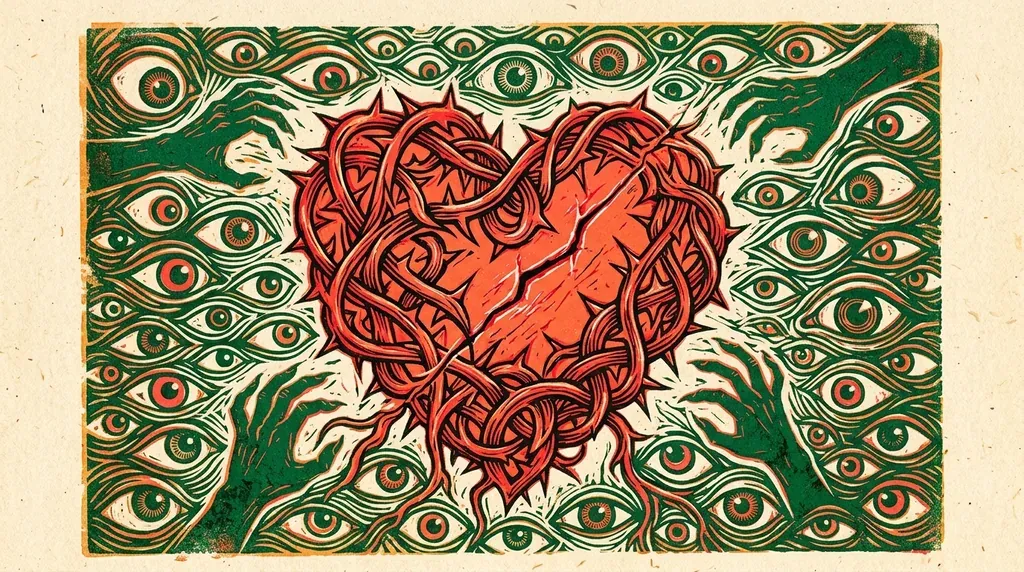
Jealousy is that feeling of envy experienced towards the advantages of others — or that exclusive love which brings on the fear of being betrayed by the one you love. A universal feeling, which takes root in childhood and can take on several different faces once you are an adult, in a relationship.
Where does jealousy come from?
Many have felt it from childhood onwards: the fear of no longer being loved, of no longer being the favoured one, of feeling abandoned by your parents when a brother or sister arrives and suddenly captures all the affection. When very young, we also feared losing a treasured object — a comfort blanket, a favourite toy — with the impression that our world was collapsing. This feeling experienced during childhood can leave a lasting mark, and resurface in adulthood in other forms.
What types of jealousy exist in a couple?
Romantic jealousy
The most widespread. To love is to depend a little on the other and to want to be the centre of their attention. Anger and frustration then accompany this feeling of love, as soon as you feel neglected by your partner.
Comparative jealousy
It often arises from an imbalance between the two partners — intellectual, social, financial or physical — and from the fear that the other will turn to someone who would make up for that difference.
Provoked jealousy
It arises from a certainty, real or supposed, that one’s partner is seeking to seduce elsewhere. Even without leading to betrayal, this behaviour sows doubt and insecurity in the couple.
Pathological jealousy
This is when one of the partners smothers the other with unjustified scepticism: repeated questions, following them, going through the phone or social networks. Doubt and lack of trust set in, and getting out of it takes genuine work on oneself.
This emotional dependency, when it tips into excess, joins other mechanisms of the couple detailed in our article Emotional Dependency in a Relationship: Understanding It, Recognising It, Breaking Free.