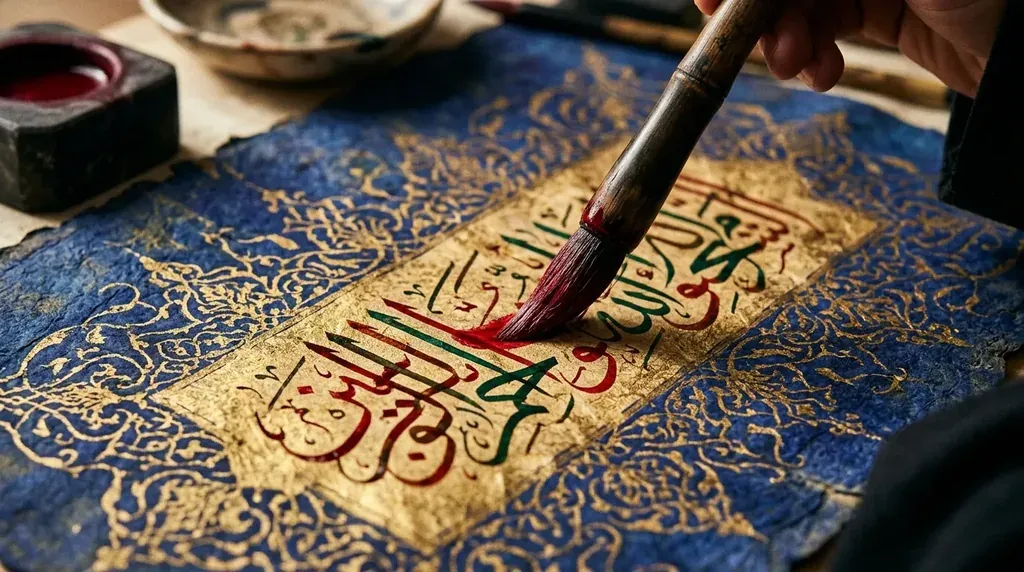
The great artistic movements of the 20th century sculpted an era of unprecedented innovation, boldness and reinvention. Let's dive together into these movements that radically transformed our vision of art.
Fauvism Among the Great Artistic Movements of the 20th Century: Chromatic Liberation
Fauvism, bursting onto the art scene at the beginning of the 20th century, represents a true explosion of color. Henri Matisse, André Derain, and other pioneers ventured beyond the limits of realistic color, offering vibrant and passionate canvases. In contrast to the more measured Impressionism, these artists wanted to evoke pure emotion through their works. Every visit to the Musée d'Orsay in Paris is an opportunity to feel this surge of chromatic freedom.
Cubism: A New Perspective
Cubism, embodied by giants such as Picasso and Braque, broke with traditional representation to embrace a multi-dimensional vision. Instead of reproducing reality, they chose to break it down, creating a dynamic interplay between shapes, shadows and light. Their artistic boldness is reflected not only in their paintings, but also in their sculptures and ceramics. A visit to the Centre Pompidou in Paris lets you take in these groundbreaking works.
Surrealism: Beyond Reality
Surrealism is a world apart, where dreams and reality intertwine. Drawing inspiration from Freud's theories, artists such as Dalí, Magritte and Ernst created dreamlike landscapes, bringing imagination to life. These works, which often evoke a sense of displacement, invite introspection and discovery. The collection at the Museo Reina Sofía in Madrid offers a deep dive into this artistic escape.
Art Nouveau: Natural Harmony Among the Great Artistic Movements of the 20th Century
Art Nouveau is characterized by its fluid curves, floral motifs and quest for an organic aesthetic. It was not confined to painting alone, but also encompassed architecture, furniture and jewelry. Gaudí, with his iconic buildings in Barcelona, and Mucha, with his refined posters, are eminent representatives of the movement.
Dadaism: The Rebellion Among the Great Artistic Movements of the 20th Century
Born in response to the horrors of the First World War, Dadaism was above all an act of rebellion. Rejecting established conventions, the Dadaists often used humor, satire and the absurd to criticize society and its values. Marcel Duchamp, with provocative works such as "The Fountain," challenged the traditional definitions of art.
Bauhaus: Where Form and Function Converge
The Bauhaus, founded in Germany, revolutionized design by promoting the alliance of art and function. With a minimalist and utilitarian approach, it influenced modern design, from architecture to furniture, including typography.
Op Art: Visual Vertigo
Emerging in the 1960s, Op Art plays with perception, using repetitive patterns and optical illusions to challenge and engage the viewer. The works of Victor Vasarely or Bridget Riley seem to almost vibrate, offering an intoxicating visual experience.
Urban Art: The Street Speaks
Urban art, by defying convention, has transformed streets into living canvases. From graffiti to massive installations, artists such as Banksy or JR use public space to share powerful messages, social critiques, or simply to beautify everyday life.
Summary Table: 20th-Century Art Movements at a Glance
| Movement | Time frame (per the article) | Figures mentioned | What defines it |
|---|---|---|---|
| Fauvism | Beginning of the 20th century | Henri Matisse, André Derain | Vivid colors, pure emotion, in contrast to Impressionism |
| Cubism | Not specified in the article | Picasso, Braque | Breakdown of forms, multi-dimensional vision, in paintings, sculptures and ceramics |
| Surrealism | Not specified in the article | Dalí, Magritte, Ernst | Dreamlike landscapes inspired by Freud's theories |
| Art Nouveau | Not specified in the article | Gaudí, Mucha | Fluid curves, floral motifs, organic aesthetic (architecture, furniture, jewelry) |
| Dadaism | Born as a reaction to the First World War | Marcel Duchamp | Rebellion through humor, satire and the absurd against established conventions |
| Bauhaus | Not specified in the article | Not specified in the article | Alliance of art and function, minimalist and utilitarian design |
| Op Art | 1960s | Victor Vasarely, Bridget Riley | Repetitive patterns and optical illusions, visual vertigo |
| Urban Art | Not specified in the article | Banksy, JR | The street as canvas, social critique through public space |
Conclusion: Exploring the Great Artistic Movements of the 20th Century
The journey through the great artistic movements of the 20th century reminds us of the power of human creativity. Faced with the upheavals of their time, artists knew how to push boundaries, question and reinvent. By immersing ourselves in these movements, we reconnect with the emotions, ideas and visions that shaped a century of art. If this exploration has moved you, share it — art, after all, is a universal gift.