“Antisemitism” is a term that could, on its own, be used to designate any criticism of the Hebrew state's policies. But before it turned into a tool of censorship, this word served to define another reality. Antisemitism is hatred, hostility, prejudice, or discrimination toward Jews as an ethnic, religious, or racial group. It is a form of racism that has led to numerous persecutions throughout history, including the Holocaust during the Second World War. Antisemitism in 19th-century Europe was not simply a toxic ideology lurking in the background. It actively upended the lives of Jewish communities and shaped the social dynamics of European society as a whole. In this article, we set out to explore the tangible, verifiable manifestations of this hostility toward Jews.
Antisemitism: Historical Context
Since the Middle Ages, antisemitism has sadly shaped European history. In that era, religious prejudice dominated, leading to baseless accusations such as ritual murder. Later, during the Renaissance, even as the arts and sciences flourished, intolerance toward Jews persisted. Over the centuries, these prejudices merged with racial and nationalist theories, culminating in the 19th century. Take the example of the pogroms in Russia. In the 1880s and into the 1900s, these organized attacks against Jewish communities, often with government backing, caused the death and displacement of thousands of Jews. Around the same time, in Venice, the term “ghetto” was first coined, designating a district set aside for Jews. This practice later spread to other regions, such as Warsaw.
Notable Cases of Antisemitism
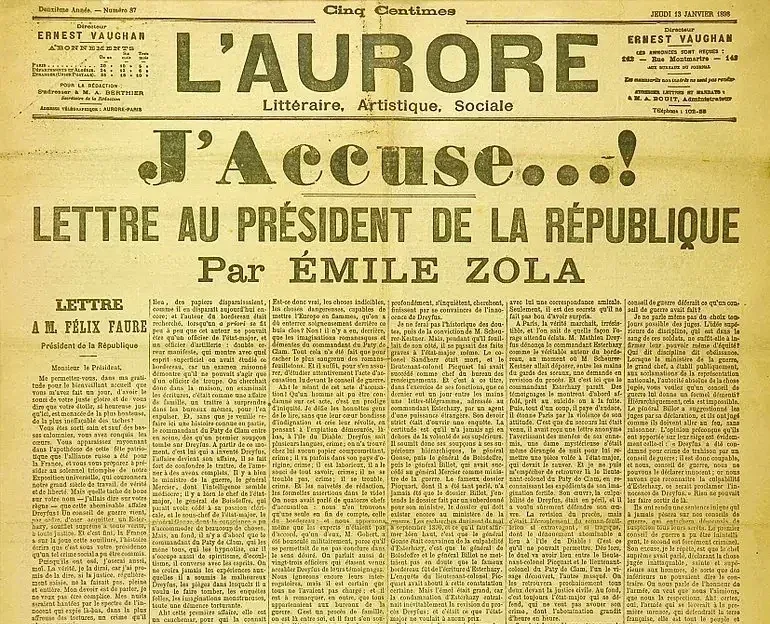
19th-century Europe saw blatant manifestations of antisemitism, leaving indelible scars on history. In France, the Dreyfus affair remains emblematic: see this article for more details on the subject. In Russia, the pogroms caused the death and displacement of thousands of people. By definition, pogroms are organized violent attacks against Jewish communities, often carried out with government backing. In Germany, while the country did not experience pogroms on the scale of those in Russia, Jews faced professional and residential restrictions. These bans prevented them from practicing certain professions and confined them to specific residential areas. Together, these incidents bear witness to the persistence and evolution of antisemitism in Europe during this period.
Reactions and Resistance to Antisemitism
Faced with the alarming rise of antisemitism in the 19th century, Jewish communities and their non-Jewish allies undertook bold efforts to counter this hostility.
The Haskalah: The Jewish Enlightenment
One of these powerful movements was the Haskalah, or Jewish Enlightenment. Born in the 18th century but reaching its peak in the 19th, the Haskalah sought to blend the values of the European Enlightenment with Jewish thought. Its followers, known as Maskilim, championed education, emancipation, and greater integration of Jews into European society. They believed that through education and cultural assimilation, Jews could break down the barriers of prejudice and earn the respect of their non-Jewish fellow citizens.
The Emergence of Zionism
Meanwhile, faced with unrelenting violence and discrimination, another response emerged in the form of Zionism. Theodor Herzl, the father of modern Zionism, was profoundly affected by injustices such as the Dreyfus affair in France. He concluded that the only lasting solution to antisemitism was the establishment of an independent Jewish state in Palestine. This movement quickly gained ground among Europe's Jews, offering a vision of hope and national rebirth.
Conclusion
The 19th century in Europe, despite its advances in science, art, and politics, was marked by an alarming rise in antisemitism. In revisiting this dark chapter of history, we are reminded of the constant need to fight hatred, intolerance, and prejudice in all their forms.