Tunisia’s food exports rose 19.9% in the first nine months of 2026 compared with the same period in 2025. The Ministry of Agriculture is banking on olive oil and dates, while the 2027 finance bill proposes covering 50% of export insurance premiums.
What do the first nine months of 2026 reveal?
By the end of September 2026, the value of Tunisia’s food exports was up 19.9% on the same period in 2025.
By the end of September 2026, the value of Tunisia's food exports was up 19.9% on the same period in 2025. The figure, covering nine consecutive months of activity, was reported by Kapitalis.
A gap of this size, calculated over three full quarters of the year, points to an underlying trend. The available data, however, do not reveal what is driving it, nor which sectors are behind the momentum.
What’s the strategy behind olive oil and dates?
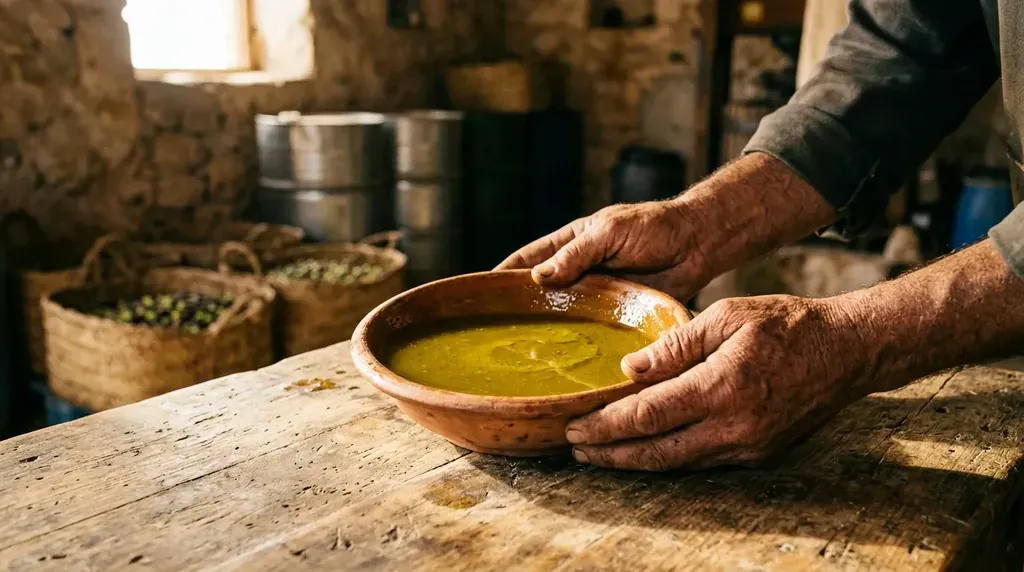
Tunisia’s Ministry of Agriculture is working on a strategy to boost exports of two flagship products: olive oil and dates. The news was reported by Kapitalis, in an article by Dhia Bouktila, who notes that the ministry has chosen to focus its efforts on these two sectors.
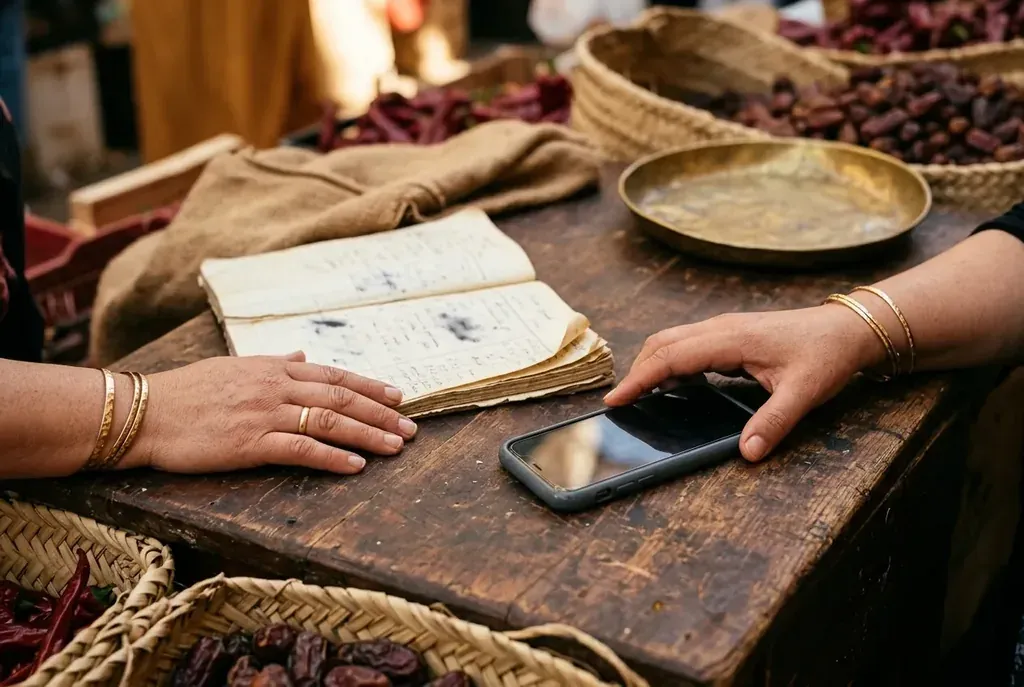
The choice of these two products is no accident: they rank among the agricultural sectors most closely associated with Tunisia abroad. By backing them, the ministry appears keen to build on strengths that are already recognised, rather than spread its efforts thin. The precise details of the measures under consideration have yet to be specified.
What support is the state planning for 2027?
The 2027 finance bill includes a concrete move for exporters: the state would cover 50% of the premiums on export insurance contracts. If passed, the measure would directly ease the cost of covering risks tied to overseas sales, an expense that often weighs on a company’s decision to go international.
The scheme is set out in Article 42 of the bill, which specifies that it applies to export insurance contracts. For Tunisian exporters, this support would mean a lighter financial burden on one of the most tangible obstacles to winning new markets.
This rise measured over three quarters of the year, the tighter focus on olive oil and dates, and the shared cost of export insurance premiums all point to the same priority: strengthening the sectors that are already working.
Also on La Sultane
After the World Cup: The FTF, Mirror of a Tunisian Crisis
Glam & Goodies Mini Market: The Pop-Up Shining a Light on Hammamet’s Creators
Harry Styles Crosses the Berlin Marathon Finish Line in Under Three Hours
Chery Arrizo 8: The New Premium Saloon Causes a Sensation in Tunisia