Did you know the pareo (sarong) originally comes from Polynesia? Countless variations exist, and telling them apart isn't always easy. Here's some help choosing, from fabrics to color pairings to knots.
How do you choose the right pareo?
Which fabric should you go for?
A light fabric that's easy to knot and dries quickly — like fine cotton, perfect for summer — rather than a thicker fabric that's harder to work with. Any sheerness, which is perfectly fine on the beach, can be fixed with the right fold if it bothers you.
How do you pair it with your swimsuit?
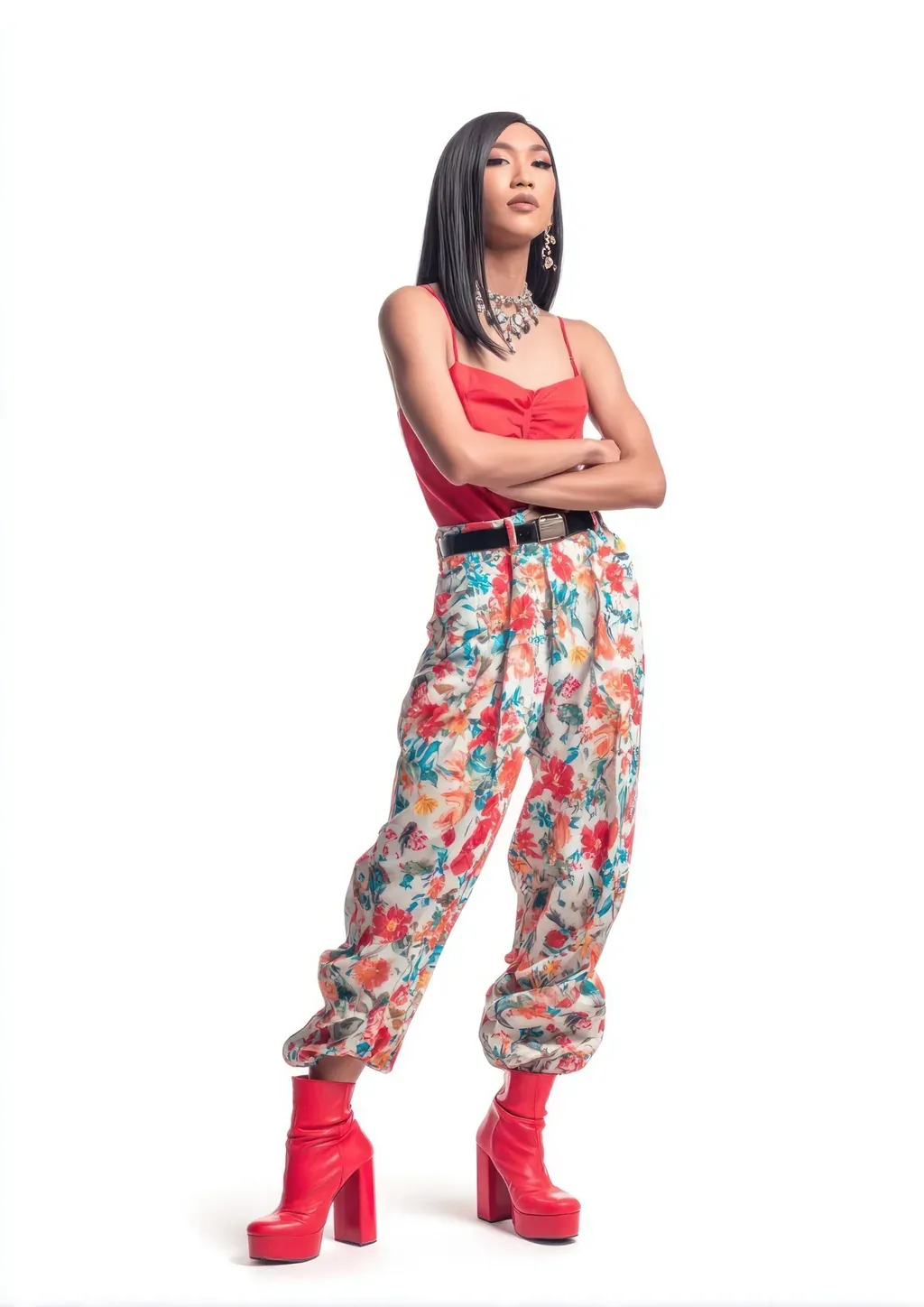
The swimsuit remains the centerpiece of any beach outfit. A busy swimsuit pairs better with a plain pareo; a plain swimsuit can afford a printed or multicolored pareo. Another option: pick up a color from the swimsuit, play with a tonal palette, or go for a bold mismatch instead — matching the two perfectly is the safest bet, but also the most predictable.
What length should you choose?
A long pareo suits the more modest and allows for many more knotting styles; a shorter one offers fewer combinations.
Which styles should you avoid?
| Style to avoid | Why |
|---|---|
| Maori print | The most common, and therefore the least original |
| Country name or flag | Touristy branding that loses its charm by the water |
| Celebrity print | Less elegant past a certain age |
| All-black pareo | Lacks pep for the beach |
| Sequins, glitter, beads | Uncomfortable when sitting or lying down, and complicate knotting |
What are the most common ways to tie it?
Timeless classics: tied above the chest to form a bustier top, knotted around the neck, or worn as a skirt at the hips. An accessory like a ring or a belt can elevate these simple knots.