Every parent has sat a child down at the table with a box of pencils and a page to fill in. Now the traffic runs the other way. Mandalas, stained-glass panels, florals, gardens and tattoo designs are winning over more and more grown-ups, in bookshops and online.
Where the craze came from
These books ride the publishing wave of wellbeing, stress relief and meditation. Publishers like to trace them back to the dul-tson-kyil-khor, the “mandala of coloured powders” made by Tibetan monks: working at a raised table, they lay out sand designs with a metal funnel called a chang-bu, a spiritual practice that accompanies meditation.
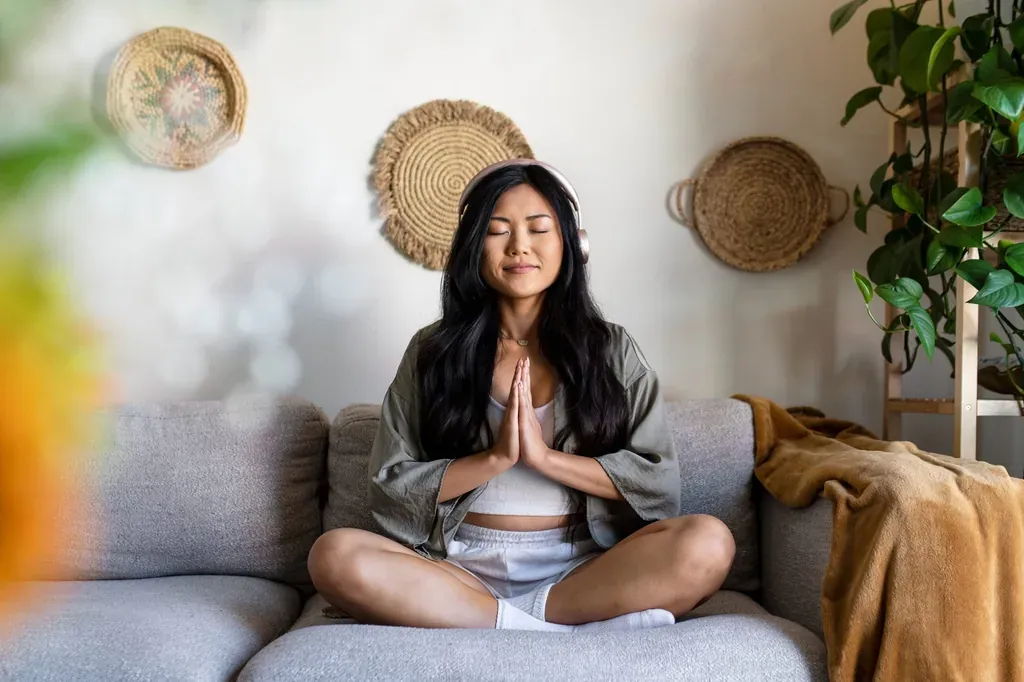
Modern colouring is said to answer a similar need for calm, set against days saturated with messages, commutes and news. No particular skill is required. A set of coloured pencils, a quiet corner, and the mind slowly empties.
A touch of nostalgia
There is an unapologetic childishness to it, too: reconnecting with the child you were is said to lighten the weight of adult responsibility. The activity is credited with clearing the mind, sharpening concentration, steadying the breath and improving oxygen flow to the brain.
Is colouring art therapy?
Publishers are happy to invoke art therapy on the cover. Yet art therapy is a recognised discipline in its own right, one that helps someone in distress find expression through an art form — dance, visual art, theatre, music — with a therapist in the room. Colouring is done alone, and it lacks the depth, and the pain, that real therapy involves. It may relax someone under strain; it does not treat pathological stress.
So colouring for grown-ups belongs first of all to the world of hobbies, alongside knitting, sudoku and crosswords, whatever “therapy” label marketing sometimes attaches to it. And if you would rather make your own pages, online colouring generators exist — Canva has one.