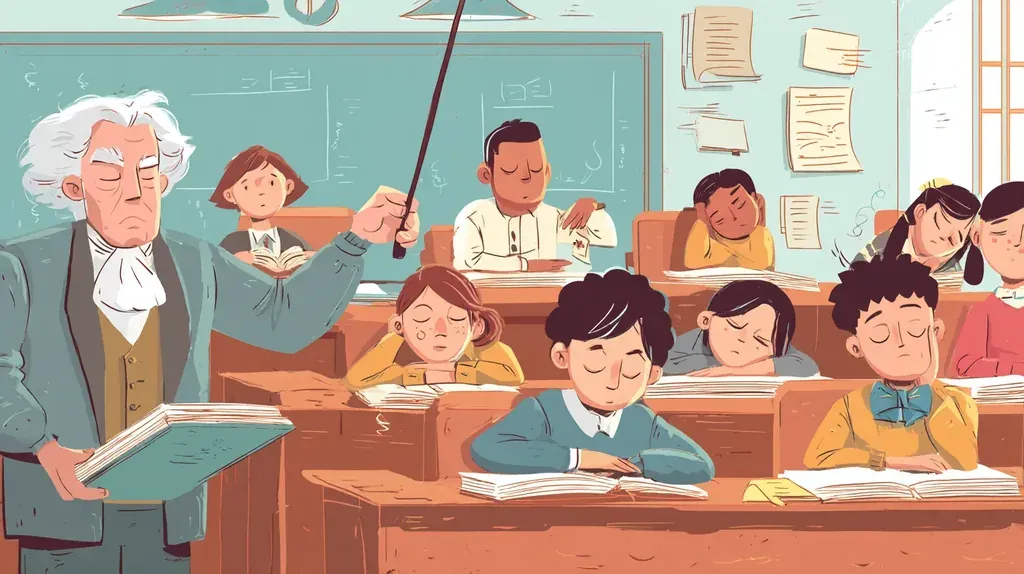
The amygdala stores our emotional reactions, the limbic system processes our emotions: it's during childhood that our automatic reactions take shape. Five emotional wounds experienced young — injustice, betrayal, humiliation, rejection, abandonment — can continue to influence adult life.
At that age, these reactions are excused while adults try to smooth them out, to prepare the child for life in society. Sometimes, however, this smoothing-out process doesn't happen properly, and certain problems encountered in childhood go on to affect adult life. Here are five emotional wounds and how they can manifest negatively in adulthood — in those who haven't managed to make peace with them.
The feeling of injustice in childhood
This feeling can arise in an environment where protective figures (parents, adults nearby) are cold and authoritarian, or when adults' expectations exceed a child's abilities. Feelings of powerlessness or uselessness can result, and those affected may develop a certain rigidity, seeking to gain power, in turn, to confront the authority they were once subject to. This wound also creates a need for order, a fantasy of perfectionism, and discomfort when faced with decisions.
Overcoming it means addressing that rigidity, and learning flexibility and trust in others.
Betrayal and the fear of trusting others
This fear appears when a child feels betrayed by a parent — a lie, a broken promise, observed irresponsibility. Distrust sets in, sometimes envy too, and the child comes to feel unworthy of the promises made to them. They may then become grasping, manipulative, seeking to control others.
Healing this wound means building tolerance and patience, learning to forgive, accepting solitude, and learning to delegate.
Humiliation
This wound is born when a child feels the disapproval of adults and endures regular criticism — bad, stupid, naughty. A constant need for validation then develops, along with a personality that can become dependent, tyrannical or self-centred, humiliating others in turn as a form of self-protection.
Those affected must learn to understand their own needs, define their fears and priorities, and work on their independence.
The fear of rejection in childhood
This deep-seated wound involves the rejection of a person's experiences, feelings and thoughts — whether from a parent, a friend or family. It creates self-disqualification and a conviction of being unwanted: someone who fears rejection will tend to withdraw into their own inner void.
Moving past it means facing those fears, taking risks for one's own wellbeing, and understanding that separation doesn't always mean rupture.
The fear of abandonment in childhood
Anyone who has experienced a form of abandonment during childhood will tend to fear solitude as an adult, and may end up abandoning others first — distancing themselves from friends, partners and projects.
This wound is difficult to heal: it calls for learning independence, working through the fear of solitude, and sustaining a positive inner dialogue along the way.
The healing process is often long and full of pitfalls. Getting there means not waiting for love or understanding from others, but learning to offer it to oneself. Its best allies: practising gratitude, feeling compassion, learning to forgive, and leaving the past behind.