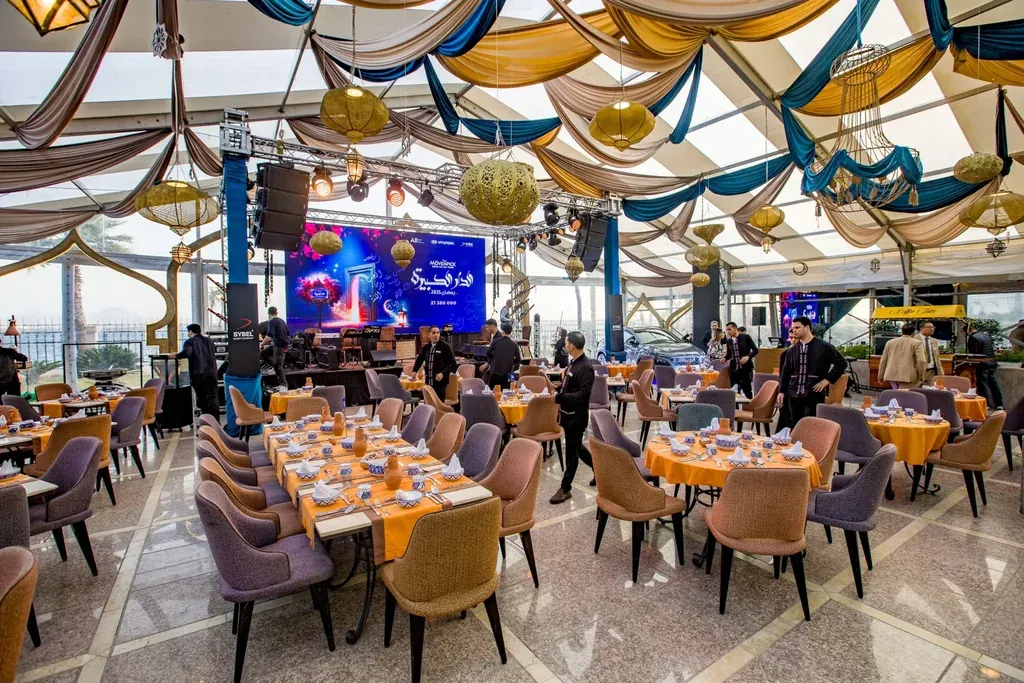
For Tunisian exporters, carbon footprint, traceability and ESG reporting are becoming conditions for access to the European market. The 4th edition of the African ESG Summit, organised by Managers magazine at the Sheraton Hotel in Tunis under the theme "Export Sustainably", brought together business leaders, experts and institutions to compare their practices.
Why are the new European rules changing the game for Tunisian exporters?
These requirements are less an administrative burden than a new grammar of trade with Europe, one that Tunisian exporters must now master to stay in the race.
For Tunisian companies exporting to Europe, the playing field itself is shifting. Carbon footprint, product traceability, ESG reporting and due diligence are no longer a matter of goodwill: they are becoming conditions for access to the country’s leading export market.
In practical terms, a company that fails to document its emissions, the origin of its materials, or its social and environmental practices risks seeing its European outlets narrow. These requirements are less an administrative burden than a new grammar of trade with Europe, one that Tunisian exporters must now master to stay in the race.
What is the African ESG Summit, and what was the theme of this 4th edition?
The 4th edition of the African ESG Summit was held at the Sheraton Hotel in Tunis, an initiative of Managers magazine. The event's theme, "Export Sustainably", summed up the challenge facing exporting companies in the face of the European market's new rules.
Business leaders, experts, bankers, institutional representatives and startups all took part. Brought together under one roof, these players with different profiles compared notes on their practices.
Sustainability: a cost or a source of value?
Sahar Mechri, executive director of Managers, is calling for a shift in perspective on sustainability: she invites exporting companies to see it as a lever for creating value. This reading overturns the defensive approach often taken in response to the European market’s new requirements.
For exporters, the challenge, then, is to turn sustainability criteria into a competitive advantage on the European market. A company that embraces these requirements early would be well positioned with clients who are increasingly attentive to the environmental and social impact of their suppliers.
Still, this compliance work cannot be treated as a side issue: documenting emissions, tracing the origin of materials and formalising social and environmental practices are projects to be tackled head-on, not formalities to put off. Companies that take on this work without delay are giving themselves a head start in a European market where sustainability already weighs on supplier selection.
Also on La Sultane
After the World Cup: the FTF, a Mirror of Tunisia’s Crisis
Glam & Goodies Mini Market: the Pop-up Shining a Light on Hammamet’s Creators
Harry Styles Crosses the Berlin Marathon Finish Line in Under Three Hours
Chery Arrizo 8: the New Premium Sedan Causing a Sensation in Tunisia