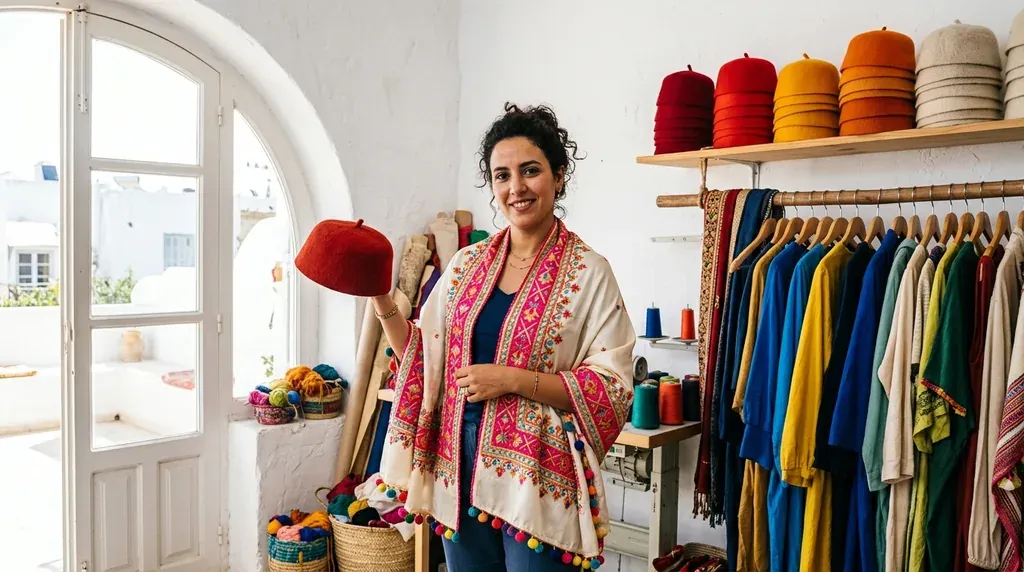
What if your home could come alive through Tunisia’s time-honoured crafts? From Kairouan’s woven masterpieces to Sejnane’s earthy pottery and Ksar Said’s lustrous silk, discover how to infuse every room with effortless elegance and authenticity—without compromising on modern comfort.
How can you bring warmth and sophistication to your living room with Tunisian craftsmanship?
Redefining your space with Tunisian craftsmanship is more than a design choice—it’s a conversation between past and present, between your hands and those of the artisans keeping these traditions alive.
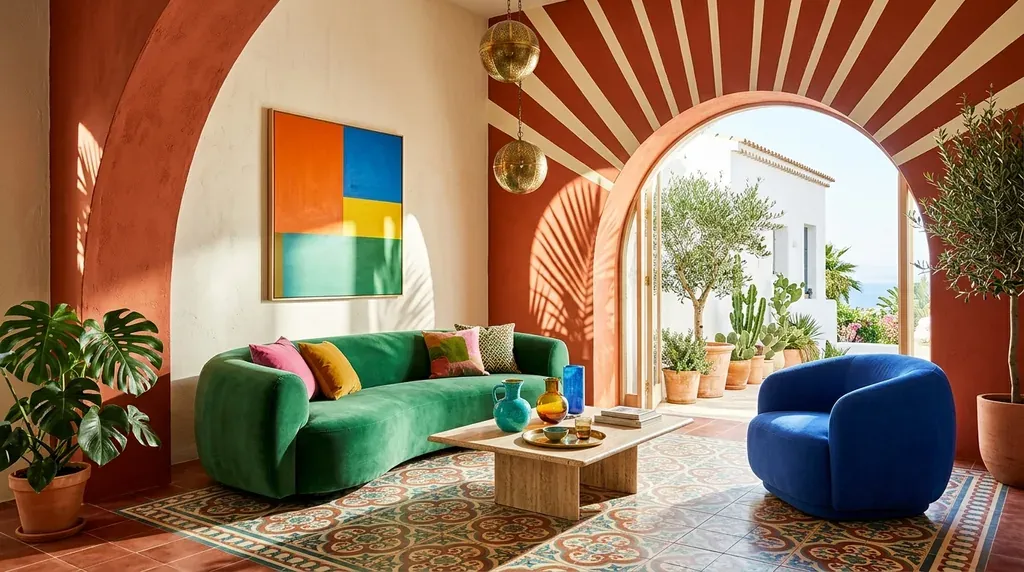
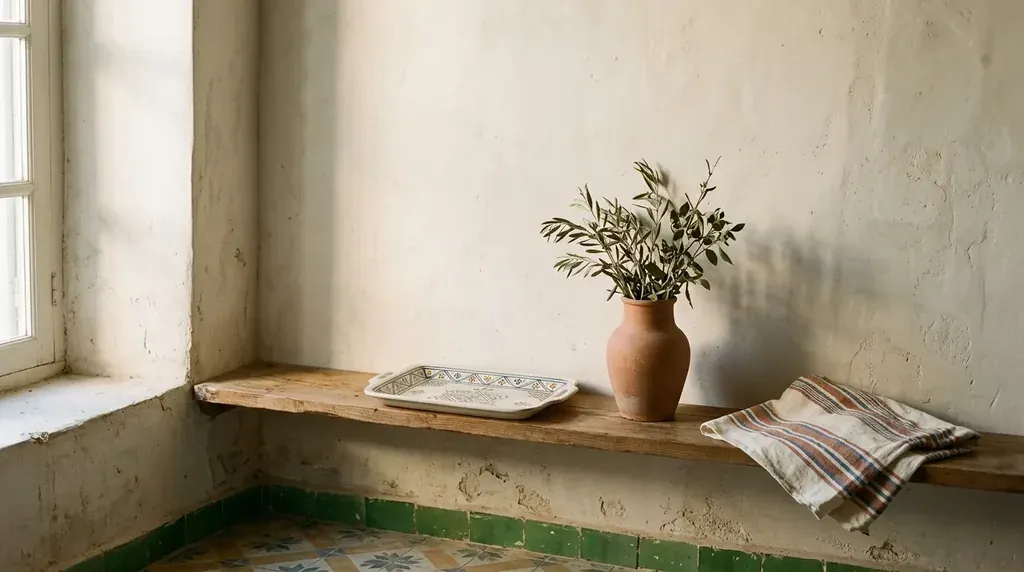
Make a Kairouan wool rug the centrepiece of your room: its bold geometric patterns add instant character without overwhelming the space. Pair it with a sleek glass or metal coffee table to strike the perfect balance between heritage and contemporary style. Sejnane’s earth-toned pottery, meanwhile, makes for striking plant pots or vases for dried branches, creating a natural contrast with clean, modern lines.
For lighting, opt for a wrought-iron lamp from Nabeul or a woven alfa lampshade—both cast a soft glow that softens the edges of a modern sofa. Keep it simple: limit artisan pieces to two or three per space so each one stands out. A hand-embroidered cushion from Djerba or a small olive-wood side table will complete the look with understated charm.
Which Tunisian textiles will create a serene, authentic bedroom?
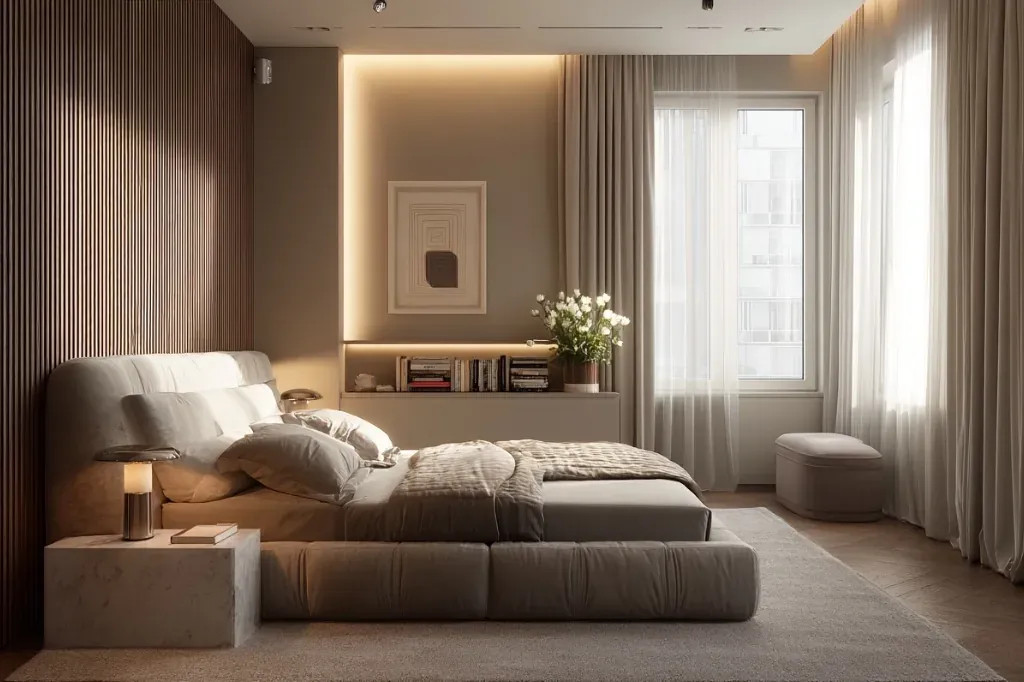
Choose Ksar Said silk for your curtains—handwoven for generations, its natural sheen and lightweight drape filter sunlight beautifully, setting a calming tone while supporting a centuries-old local craft. Pair it with intricately embroidered cushions, like those from Mahdia, for a touch of timeless elegance.
Djerba’s cotton, known for its softness and durability, is perfect for bedspreads and throws. Its tight weave and natural hues—think ecru or indigo—bring quiet warmth to the room. For a personalised touch, mix in delicate embroidery inspired by Berber motifs, a nod to the region’s rich craft heritage.
How can you elevate your kitchen and dining area with functional, beautiful Tunisian pieces?
Bring in hammered copper trays from Tunis’s medina: their golden gleam warms the table while doubling as a practical serving piece for mint tea or pastries. Often hand-signed by local artisans, these trays combine durability with effortless style, turning everyday moments into something special.
Handwoven alfa baskets from the south add a rustic, functional touch. Use them to display homemade bread or seasonal fruit—their raw texture pairs beautifully with Sejnane’s glazed ceramics, ideal for serving daily meals or desserts.
Which artisan pieces will give your bathroom and outdoor spaces a unique edge?
Your bathroom deserves a touch of authenticity. Opt for Tunisian zellige tiles—ceramic squares with intricate geometric patterns—to clad a wall or create a backsplash. Their lustre and moisture resistance make them as practical as they are striking. Pair them with a wrought-iron mirror, whether sleek or ornate, to blend tradition with contemporary design. These pieces, often handcrafted by local artisans, add soul to the space without sacrificing function.
For balconies, terraces, or gardens, terracotta planters are a natural choice. Their earthy tones and porous texture help regulate moisture for your plants. Arrange them in tiers or rows to structure the space, and complement them with perforated metal lanterns for a cosy evening glow. Subtle yet impactful, these elements turn outdoor areas into seamless extensions of your home.
Redefining your home with Tunisian craftsmanship is more than a style statement—it’s a bridge between past and present, between your hands and the artisans preserving these skills. Whether it’s a Kairouan rug underfoot, a copper tray on your table, or an embroidered cushion from Mahdia on your sofa, each piece tells a story while fitting seamlessly into your daily life. The key? Let these objects breathe by pairing them with contemporary materials to avoid a museum-like feel. That way, your decor becomes a true reflection of your personality, where authenticity and modernity coexist effortlessly. And if you’re tempted to add another artisan touch, why not start small? A glazed ceramic teapot or an alfa basket can transform a corner of your home into a space that feels unmistakably yours.