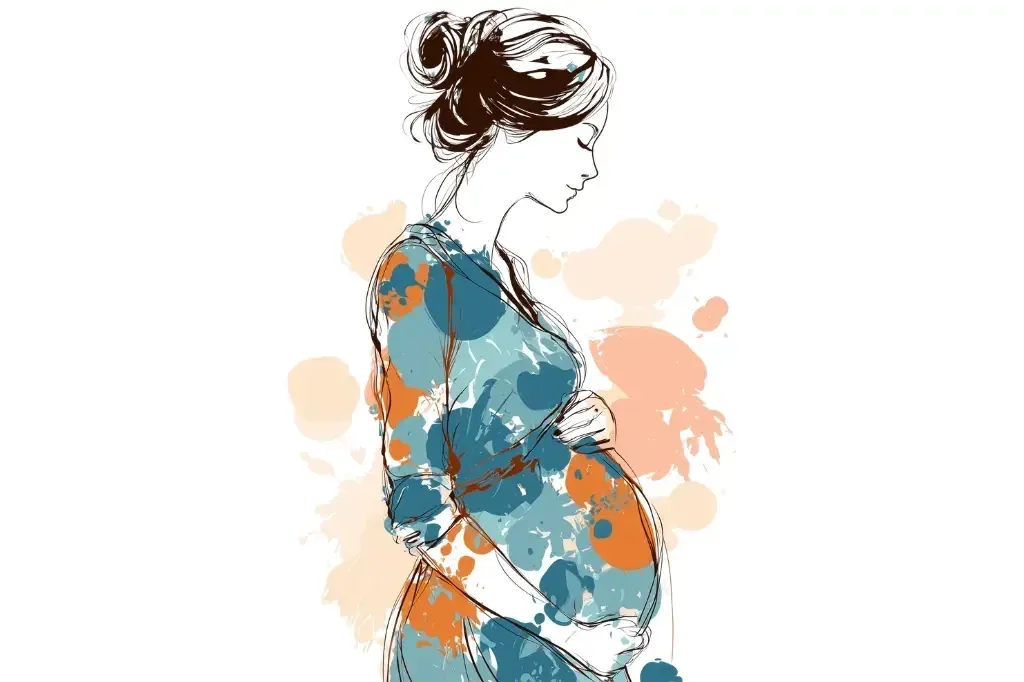
There it is — you have the joy of seeing that your pregnancy test is positive! Congratulations! It's the start of a wonderful adventure that will transform your life. There's absolutely no reason to fear the changes your body is about to go through. Pregnancy is a magnificent time, and in 9 months you'll be a mother.
This first stage marks the beginning of a unique journey, dotted with discoveries and emotions. Understanding what's happening in your body will help you experience these very special early moments with peace of mind.
The early signs of pregnancy: recognising the changes
Symptoms that vary from one woman to another
The start of pregnancy isn't always easy for the mother-to-be. Don't worry, though — these discomforts won't last throughout the pregnancy. Every woman experiences this period differently, and it's important to remember that your experience is unique.
The most common symptoms
Here are the symptoms that many women develop in early pregnancy, though not in every case:
Digestive troubles:
- Nausea, particularly in the morning, sometimes accompanied by vomiting
- Excessive salivation (ptyalism)
- Strong cravings or, conversely, a distaste for food in general
- Specific food aversions
Physical changes:
- Unusual tiredness and an increased need for sleep
- Breasts that become firm, fuller and tender
- More frequent need to urinate, due to the increase in blood volume
- Intolerance to certain smells, even familiar ones
Emotional upheavals:
- Heightened sensitivity and mood swings
- Anxiety in the face of this new stage
- A mixture of euphoria and apprehension
It's important to note that none of these symptoms is inevitable during a pregnancy. Nonetheless, it's quite likely that you'll develop some of them during the first month. This variability is perfectly normal and in no way reflects the quality of your pregnancy.
The baby's fascinating development in the first month
A spectacular development in just a few weeks
At this stage of the pregnancy, your baby is still tiny, measuring barely a few millimetres. But don't be fooled by the size! An extraordinary work of construction is taking place in your belly.
The key stages of development
The first week: The fertilised egg travels along the Fallopian tube towards the uterus. This migration takes about 6 to 7 days.
The second week: Implantation takes place. The embryo attaches itself firmly to the uterine wall, triggering the production of pregnancy hormones.
The third and fourth weeks: This is when the most spectacular transformations occur:
- Your baby's heart begins to beat as early as the 3rd week
- The first blood vessels form
- The beginnings of the nervous system appear
| Period | What happens |
|---|---|
| 1st week | The fertilised egg travels along the Fallopian tube towards the uterus (a migration of about 6 to 7 days) |
| 2nd week | Implantation: the embryo attaches to the uterine wall, which triggers the production of pregnancy hormones |
| 3rd and 4th weeks | The heart begins to beat as early as the 3rd week, the first blood vessels form and the beginnings of the nervous system appear |
Creating the protective environment
At the same time, your body is preparing a perfect cocoon for your baby:
The placenta: This temporary but vital organ begins to form. It will be essential for your baby to feed and breathe, forming the nutritional link between you and your child.
The amniotic fluid: The embryo surrounds itself with this protective fluid, in which it will float throughout the pregnancy. This substance plays a crucial role: cushioning against shocks, regulating temperature and allowing the baby to move.
The amniotic cavity: This sac develops to hold your baby in the best conditions of safety and comfort.
Essential tips for starting your pregnancy well
Consulting a healthcare professional promptly
As soon as you learn that you're pregnant, it's necessary to see a doctor or a midwife for a full medical and gynaecological check-up. This first consultation will make it possible to:
- Confirm the pregnancy through a clinical examination
- Date the start of the pregnancy precisely
- Assess your general state of health
- Prescribe the necessary tests (blood test, ultrasound scan)
- Adjust any treatments you may currently be taking
Adopting a healthy lifestyle
Diet: Favour a balanced and varied diet. Increase your intake of folic acid (green vegetables, pulses) and avoid certain risky foods (raw fish, cured meats, cheeses made from unpasteurised milk).
Dietary supplements: Your doctor will probably prescribe folic acid, and possibly iron or vitamin D depending on your needs.
Physical activity: Keep up moderate physical activity suited to your condition, unless there is a medical contraindication.
Important precautions
Avoiding harmful substances:
- Complete cessation of tobacco and alcohol
- Limiting caffeine
- Avoiding non-prescribed medication
Everyday precautions:
- Care with cleaning products and cosmetics
- Avoiding contact with cats (risk of toxoplasmosis)
- Protection against infections (frequent hand-washing)
Managing unpleasant symptoms
For nausea:
- Eat small amounts, but often
- Favour dry foods in the morning
- Avoid strong smells
- Try ginger (with a doctor's approval)
For tiredness:
- Listen to your body and rest
- Go to bed earlier
- Don't hesitate to take short naps
The importance of emotional support
Accepting the emotional upheavals
This first month can be emotionally intense. Between joy, anxiety, tiredness and hormones in overdrive, it's normal to feel overwhelmed. Talk about how you feel with your partner, your family or your close friends.
Preparing yourself mentally
Begin to picture yourself in your new role as a mother. Read, inform yourself, but without putting pressure on yourself. Every pregnancy is unique, and you'll learn as you go.
Conclusion: savour this unique moment
The first month of pregnancy marks the beginning of an extraordinary adventure. Despite the minor discomforts, try to savour these first moments as a new life grows within you.
Never hesitate to ask your healthcare professional questions and to voice your concerns. You're not alone in this adventure, and many professionals are there to support you throughout these 9 magical months.
Remember: your body instinctively knows what it's doing. Trust it, while taking care of yourself with kindness.